
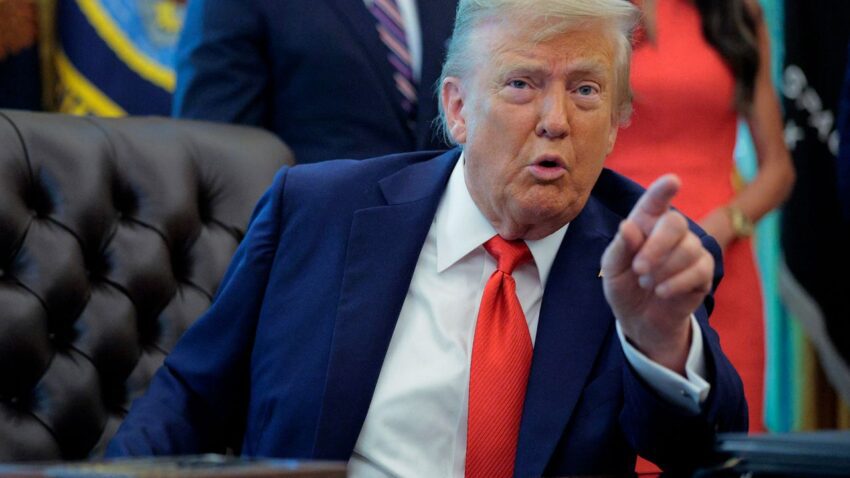
trump wants digital taxes on u s services axed worldwide – president threatens new tariffs and semiconductor export controls to countries that refuse to comply: Former President Donald Trump has reignited the debate over digital taxation by advocating for the global elimination of taxes imposed on U.S. services. He argues that these taxes disproportionately burden American companies and could provoke retaliatory measures from the U.S. government. In recent remarks, Trump has indicated a willingness to escalate trade tensions, threatening new tariffs and semiconductor export controls against countries that refuse to comply with his demands.
Key takeaways
- Trump is calling for the abolition of global digital taxes on U.S. services.
- He threatens tariffs and semiconductor export controls as consequences for non-compliance.
- The issue of digital taxation has been a contentious topic in international trade discussions.
- Major U.S. tech companies have faced increased scrutiny and taxation in various jurisdictions.
Trump’s recent comments emphasize that the United States should not face penalties for its technological advancements and contributions to the global economy. He has expressed concerns that digital taxes, implemented by many countries, are primarily aimed at targeting U.S. firms, particularly in the technology sector. This viewpoint resonates with several American tech giants, including Google, Amazon, and Facebook, which have encountered heightened taxation in various countries.
The global discourse surrounding digital taxes has intensified in recent years as governments seek to ensure that tech companies contribute their fair share to local economies. Many nations contend that these companies benefit from their markets without adequately contributing to public finances. This has led to the introduction of digital services taxes (DSTs) in several jurisdictions, including the European Union, the United Kingdom, and India. These taxes generally apply to revenues generated from online services within a country, irrespective of the company’s headquarters.
The U.S. Response to Digital Taxes
During his administration, Trump took a staunch stance against digital taxes, arguing that they violate international trade agreements and disproportionately impact American businesses. His latest comments suggest a continuation of this approach, focusing on leveraging trade policy to influence international taxation practices. Trump has made it clear that he views the current landscape of digital taxation as unfairly skewed against U.S. interests.
In his statements, Trump outlined potential measures that could be employed against countries that refuse to eliminate their digital taxes. These measures include:
- Tariffs: The imposition of tariffs on goods imported from countries that maintain digital taxes could result in increased costs for U.S. consumers and businesses. This approach could lead to a trade war, where both sides impose retaliatory tariffs, further straining international relations.
- Export Controls: Restricting the export of semiconductors and other critical technologies to non-compliant countries could have substantial implications for their tech industries and overall economies. Such measures could limit access to vital technologies and stifle innovation in targeted countries.
These threats could escalate tensions between the U.S. and nations that have implemented or are considering digital taxes. The potential for a trade conflict looms large as countries navigate the complexities of taxing digital services in an increasingly interconnected global economy.
Global Reactions to Trump’s Stance
International reactions to Trump’s stance have been mixed. Some countries may view his threats as an overreach, while others might perceive them as a necessary response to safeguard their economic interests. For instance, countries like France and the UK have defended their digital taxes as a means to ensure that tech giants contribute to their economies, especially given the revenue disparities exacerbated by the COVID-19 pandemic.
France has been particularly proactive in the digital tax movement, implementing a 3% tax on revenue generated by digital services from companies with significant operations in the country. This move has faced backlash from the U.S., which has threatened to impose tariffs on French goods in retaliation. The situation exemplifies the potential for escalating trade disputes over digital taxation.
Moreover, the European Union has also been exploring the possibility of a unified digital tax framework, which could further complicate relations with the U.S. Should the EU move forward with such a framework, it could prompt a series of retaliatory measures from the U.S., heightening tensions between the two economic powerhouses.
Impact on U.S. Tech Companies
Many U.S. tech companies are increasingly concerned about the ramifications of foreign digital taxes on their operations. The heightened scrutiny and taxation in various jurisdictions can lead to increased operational costs and complicate their international business strategies. Companies like Google and Amazon have had to navigate a complex landscape of varying tax laws, which can differ significantly from one country to another.
As these companies continue to expand their global footprint, they face the challenge of adapting to diverse regulatory environments. Some have taken proactive steps to engage with governments and advocate for fair tax practices, while others have opted for legal challenges against the implementation of digital taxes. This multifaceted approach reflects the complexities of international business in the digital economy.
For instance, Google has engaged in negotiations with various governments to mitigate the impact of digital taxes on its operations. The company has sought to establish collaborative relationships with local authorities to ensure compliance while advocating for tax structures that are more favorable to its business model. Similarly, Amazon has been vocal about its concerns regarding digital taxes, arguing that they could stifle innovation and economic growth.
The Future of Digital Taxation
The debate over digital taxation is far from settled, and Trump’s recent comments may influence ongoing discussions among countries regarding the future of these taxes. As nations grapple with the challenges of taxing digital services, the potential for a coordinated international approach remains uncertain.
Efforts to establish a global framework for digital taxation have gained traction, particularly within the Organisation for Economic Co-operation and Development (OECD). The OECD has been working on proposals aimed at addressing the tax challenges arising from the digitalization of the economy. However, reaching a consensus among member countries has proven difficult, especially in light of conflicting national interests.
For example, while some countries advocate for a unified approach to digital taxation, others are hesitant to relinquish their autonomy in determining tax policies. This divergence of interests complicates the pursuit of a cohesive international framework, as nations prioritize their own economic goals over collaborative solutions.
The implications of Trump’s threats could further complicate these negotiations. Countries may be reluctant to engage in discussions about digital taxation if they perceive the U.S. as adopting a confrontational approach. This could hinder progress toward establishing a cohesive international framework for taxing digital services, leaving many nations to navigate the complexities of digital taxation on their own.
Conclusion
Trump’s call for the elimination of digital taxes on U.S. services underscores the ongoing tensions surrounding international trade and taxation in the digital age. His threats of tariffs and semiconductor export controls could escalate conflicts between the U.S. and countries that have implemented such taxes. As the debate continues, the future of digital taxation remains uncertain, with potential implications for U.S. tech companies and the global economy as a whole.
Source: https://www.tomshardware.com/tech-industry/trump-wants-digital-taxes-on-u-s-services-axed-worldwide-president-threatens-new-tariffs-and-semiconductor-export-controls-to-countries-that-refuse-to-comply
Was this helpful?
Explore more: More Big Tech & Platforms Tech News Blog
Last Modified: August 27, 2025 at 5:33 am
9 views
![Is iOS 26 beta 8 ready for release? [Poll]](https://www.hashe.com/wp-content/uploads/2025/08/Is-iOS-26-beta-8-ready-for-release-1.jpg "Is iOS 26 beta 8 ready for release? [Poll] 2")













