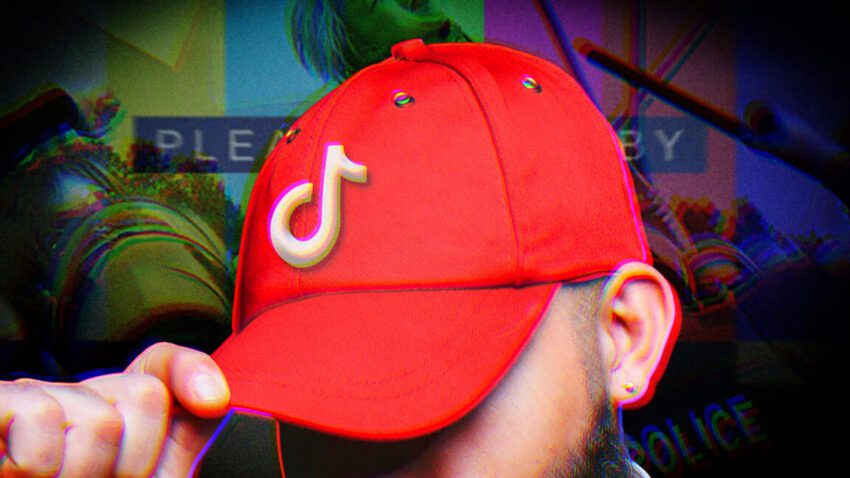
tiktok users absolutely justified for fearing maga TikTok users are expressing significant concern over potential censorship on the platform, particularly in light of recent claims that technical errors are responsible for blocking uploads of anti-ICE videos and direct messages mentioning Jeffrey Epstein.
tiktok users absolutely justified for fearing maga
Background on TikTok’s Ownership and Recent Changes
TikTok, a social media platform that has rapidly gained popularity since its launch in the United States in 2018, has undergone significant changes in its ownership structure. Recently, the app was acquired by a group of US investors, handpicked by former President Donald Trump. This transition has raised eyebrows among users and experts alike, leading to fears that the platform may be shifting its content moderation policies to align more closely with conservative viewpoints.
The implications of such ownership changes are profound. TikTok has been a platform where diverse voices, including those critical of government policies and figures, have flourished. However, the new ownership raises questions about whether the platform will continue to support free expression or if it will begin to censor content that does not align with the interests of its new owners.
Claims of Technical Errors
In recent weeks, TikTok has faced backlash after users reported that their uploads of anti-ICE (Immigration and Customs Enforcement) videos were blocked. Additionally, messages that mentioned Jeffrey Epstein, a figure embroiled in controversy and allegations of sexual misconduct, were also reportedly restricted. TikTok has attributed these issues to “technical errors,” asserting that the platform is not intentionally censoring content.
However, many users are skeptical of this explanation. The timing of these technical issues coinciding with the change in ownership has led to speculation that the platform may be implementing new censorship policies. Users have expressed concerns that the app is becoming a tool for political propaganda rather than a space for open dialogue and expression.
Expert Opinions on Censorship Fears
Experts in media and technology have weighed in on the situation, with many supporting the users’ fears regarding potential censorship. Ioana Literat, an associate professor at Teachers College, Columbia University, has been studying TikTok’s political implications since its rise in popularity. She stated, “Users’ fears are absolutely justified,” emphasizing that the explanation of technical errors is “insufficient” to quell concerns about censorship.
Literat’s research indicates that platforms like TikTok have a significant influence on public discourse. When users perceive that their voices are being silenced or manipulated, it can lead to a chilling effect on free expression. This is particularly concerning in a democratic society where diverse opinions are essential for healthy discourse.
The Role of Algorithms in Content Moderation
One of the critical factors in understanding TikTok’s content moderation practices is the role of algorithms. TikTok employs complex algorithms to determine which content is promoted or suppressed on the platform. These algorithms are designed to enhance user engagement but can also inadvertently lead to the censorship of certain viewpoints.
Experts argue that the algorithms can be biased, either intentionally or unintentionally, leading to the suppression of content that does not align with the platform’s perceived interests. This raises questions about accountability and transparency in content moderation practices. Users are left in the dark about why their content is being blocked or removed, fueling distrust in the platform.
Implications for User Trust and Engagement
The erosion of trust in TikTok’s content moderation practices can have significant implications for user engagement. When users feel that their voices are not being heard or that their content is being unfairly censored, they may choose to disengage from the platform altogether. This disengagement can lead to a loss of diverse perspectives and a homogenization of content, ultimately undermining the platform’s value as a space for creativity and expression.
Moreover, the fear of censorship can lead to self-censorship among users. If individuals believe that expressing certain opinions may result in their content being blocked or removed, they may choose to refrain from sharing those views. This self-censorship can stifle important conversations and limit the diversity of content available on the platform.
Stakeholder Reactions
The reactions from various stakeholders regarding TikTok’s recent changes and the claims of censorship have been mixed. Users, particularly those who have been vocal about political issues, have expressed outrage and frustration. Many have taken to social media to voice their concerns, using hashtags and campaigns to raise awareness about the perceived censorship.
On the other hand, TikTok’s management has defended its practices, reiterating that the platform is committed to fostering a safe and inclusive environment for all users. They have emphasized that the technical issues reported are being addressed and that the platform remains dedicated to transparency in its content moderation policies.
Political Implications
The political implications of TikTok’s ownership changes and potential censorship are significant. As a platform that has become a powerful tool for activism and social movements, any shift toward censorship could have far-reaching consequences. Users have utilized TikTok to organize protests, raise awareness about social issues, and mobilize support for various causes.
If TikTok were to censor content critical of political figures or government policies, it could undermine the platform’s role as a space for activism. This could lead to a chilling effect on political discourse, particularly among younger users who rely on social media for information and engagement.
Future Considerations
As TikTok navigates these challenges, the future of the platform remains uncertain. The ongoing concerns about censorship and the influence of ownership on content moderation practices will likely continue to be a topic of discussion among users, experts, and policymakers.
For TikTok to regain user trust, it may need to implement more transparent content moderation practices. This could involve providing clearer explanations for why certain content is blocked or removed, as well as establishing a more robust system for users to appeal moderation decisions. Additionally, engaging with users and incorporating their feedback into content moderation policies could help foster a sense of community and trust.
Conclusion
The fears expressed by TikTok users regarding potential censorship are rooted in a complex interplay of ownership changes, technical issues, and the platform’s content moderation practices. As experts like Ioana Literat have pointed out, these concerns are not unfounded. The implications of censorship on a platform that has become a vital space for expression and activism are profound.
Moving forward, TikTok must address these concerns transparently and proactively to maintain its user base and uphold its reputation as a platform for diverse voices. The ongoing dialogue surrounding censorship, ownership, and content moderation will be crucial in shaping the future of TikTok and its role in the broader landscape of social media.
Source: Original report
Was this helpful?
Explore more: More Big Tech & Platforms Tech News Blog
Last Modified: January 28, 2026 at 1:37 pm
14 views