this is fine creator says ai startup A prominent creator has accused an AI startup of appropriating his artwork without permission, igniting a debate over intellectual property rights in the age of artificial intelligence.
this is fine creator says ai startup
The Controversy Surrounding Artisan
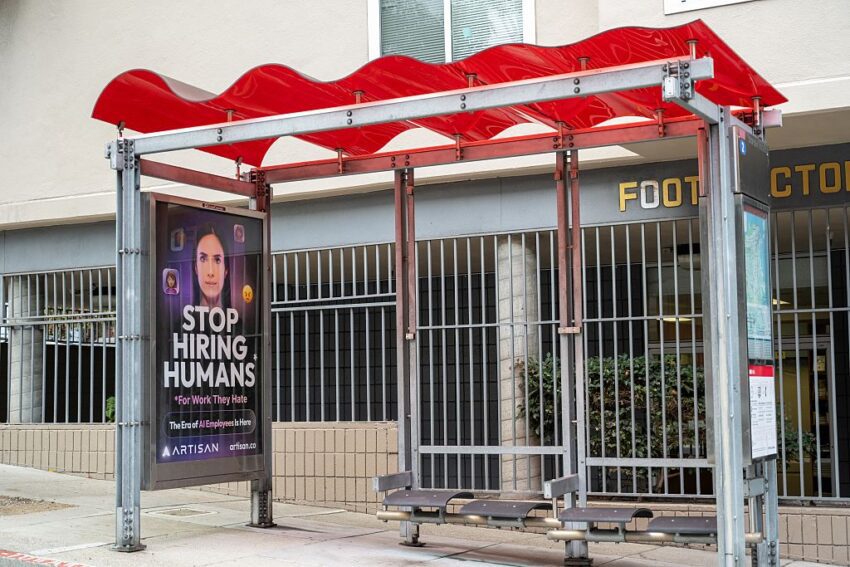
Artisan, an AI startup, has recently gained attention for its provocative advertising campaign that features billboards urging businesses to “stop hiring humans.” This campaign has sparked significant discussion about the implications of AI in the workforce and the ethical considerations surrounding the use of creative works. However, the controversy escalated when the creator of the iconic “This is fine” meme, KC Green, publicly accused Artisan of using his artwork without consent.
The Accusation
KC Green, a cartoonist and writer, is best known for his webcomic series “Gunshow,” which features the now-famous “This is fine” dog. The image has become a cultural touchstone, often used to express resignation in the face of adversity. Green’s accusation centers on the use of his artwork in Artisan’s advertising campaign, which he claims was done without his permission. In a statement, Green expressed his dismay, stating, “It’s frustrating to see my work used in a way that I never intended, especially by a company that promotes the idea of replacing human creativity with AI.”
The Impact of AI on Creative Industries
The incident raises broader questions about the role of AI in creative fields. As AI technology advances, it increasingly encroaches on areas traditionally dominated by human creativity, such as art, music, and writing. This shift has led to concerns about the potential for AI to undermine the livelihoods of artists and creators. Many fear that as AI-generated content becomes more prevalent, the value of human-created works may diminish.
In recent years, various AI tools have emerged that can generate artwork, music, and even written content, often drawing inspiration from existing works. This has led to a growing debate about copyright and intellectual property rights, particularly when AI systems are trained on datasets that include copyrighted material. The question of whether AI-generated works can be considered original or derivative remains contentious.
Artisan’s Response
In response to Green’s allegations, Artisan issued a statement defending its use of the artwork. The company argued that its advertising campaign was intended to provoke thought and discussion about the future of work in an increasingly automated world. Artisan emphasized that its goal was not to undermine human creativity but to highlight the potential of AI to augment human capabilities.
Legal Implications
The legal landscape surrounding AI-generated content is still evolving, and cases like Green’s could set important precedents. Copyright law traditionally protects original works of authorship, but the application of these laws to AI-generated content is unclear. If a machine generates a piece of art based on existing works, questions arise about who owns the rights to that creation. Is it the developer of the AI, the user who prompted the AI, or the original creators whose works were used as inspiration?
Legal experts suggest that cases like this may prompt lawmakers to revisit and potentially revise copyright laws to address the unique challenges posed by AI. The outcome of such discussions could have far-reaching implications for artists, tech companies, and the future of creative industries.
Community Reactions
The reaction from the creative community has been mixed. Many artists and creators have expressed solidarity with Green, emphasizing the importance of protecting intellectual property rights in an era where AI is becoming increasingly capable of mimicking human creativity. They argue that allowing companies to use copyrighted material without permission undermines the value of artistic work and sets a dangerous precedent.
On the other hand, some proponents of AI argue that the technology can serve as a valuable tool for artists, enabling them to explore new creative avenues and enhance their work. They contend that AI should be viewed as a collaborator rather than a competitor, with the potential to inspire and augment human creativity rather than replace it.
The Role of Social Media
Social media has played a significant role in amplifying the discussion surrounding this controversy. Following Green’s public statement, the story quickly gained traction on platforms like Twitter and Instagram, where users shared their thoughts on the implications of AI in creative fields. Hashtags related to the incident trended, drawing attention to the broader issues of copyright and the ethics of AI-generated content.
As discussions continue to unfold online, many creators are using the opportunity to advocate for stronger protections for their work in the face of advancing technology. The incident has sparked a renewed interest in the importance of consent and attribution in the creative process, particularly as AI tools become more accessible to the general public.
The Future of AI and Creativity
As the debate over AI’s role in creative industries continues, it is crucial to consider the potential future landscape. The integration of AI into artistic processes is likely to grow, with more artists experimenting with AI tools to enhance their work. However, this evolution must be accompanied by a robust framework for protecting intellectual property rights and ensuring that creators are fairly compensated for their contributions.
Potential Solutions
One potential solution to the challenges posed by AI in creative fields is the establishment of clearer guidelines and regulations regarding the use of AI-generated content. This could involve creating a framework that outlines the responsibilities of AI developers, users, and original creators. Such guidelines could help ensure that artists retain control over their work while also allowing for innovation and collaboration with AI technologies.
Additionally, fostering open dialogue between artists, technologists, and lawmakers will be essential in navigating the complexities of AI and creativity. By working together, stakeholders can develop solutions that balance the interests of creators with the potential benefits of AI, ultimately leading to a more equitable and sustainable creative ecosystem.
Conclusion
The controversy surrounding Artisan and KC Green serves as a critical reminder of the ongoing challenges posed by AI in creative industries. As technology continues to evolve, it is imperative that we address the ethical and legal implications of AI-generated content while advocating for the rights of artists and creators. The future of creativity may depend on our ability to navigate these complexities and establish a framework that respects and protects the contributions of human creators in an increasingly automated world.
Source: Original report
Was this helpful?
Explore more: AI Automation Services More AI & Automation Tech News
Last Modified: May 4, 2026 at 4:36 am
19 views