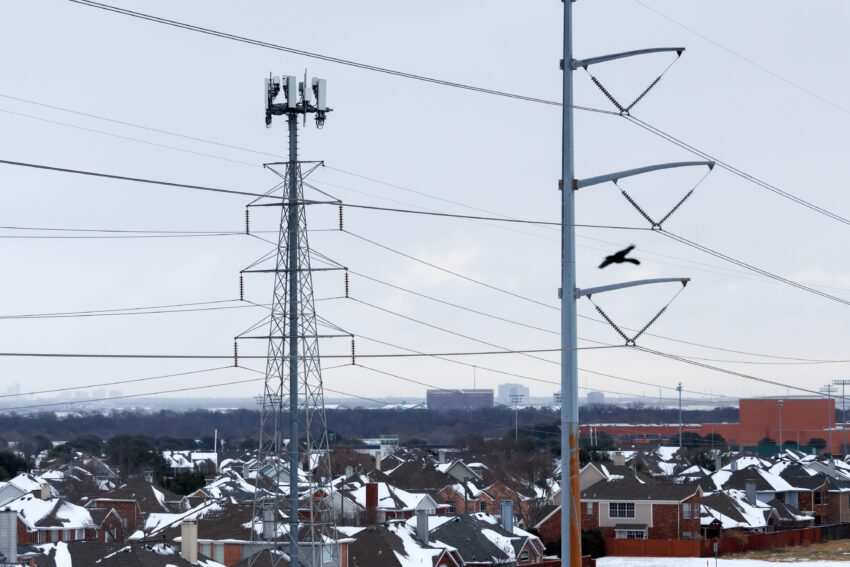
the winter storm tested power grids straining The recent winter storm has put immense pressure on power grids already strained by the growing demand from AI data centers.
the winter storm tested power grids straining
Impact of Winter Storm Fern
The winter storm, known as Fern, swept through 34 states, bringing with it severe weather conditions that resulted in widespread power outages. As temperatures plummeted, the demand for electricity surged, particularly in regions heavily reliant on heating systems. This spike in demand has highlighted the vulnerabilities of the power grid, which is already grappling with the increasing energy needs of AI data centers.
In Virginia, a state that hosts a significant number of data centers, wholesale electricity prices surged over the weekend. This rise in prices is not unexpected during periods of heightened energy demand, but it has exacerbated concerns among residents regarding their utility bills. The situation has sparked a growing discontent that could lead to increased opposition against the proliferation of data centers across the United States.
Understanding the Power Grid’s Strain
The power grid is a complex network designed to deliver electricity from producers to consumers. However, it is facing unprecedented challenges as the demand for electricity continues to rise. The influx of AI data centers, which require substantial amounts of power to operate, has added to the existing strain on the grid. These facilities are designed to handle large-scale computations and data processing, which are integral to the functioning of AI technologies.
Data centers consume vast amounts of electricity, often leading to localized spikes in demand that can overwhelm existing infrastructure. This is particularly problematic during extreme weather events, such as Winter Storm Fern, when the demand for heating also increases significantly. The dual pressures of heating and data center operations create a perfect storm for power grid operators, who must balance supply and demand effectively.
Rising Electricity Prices and Public Sentiment
The surge in wholesale electricity prices in Virginia serves as a microcosm of a larger issue facing many states. As data centers continue to proliferate, residents are beginning to feel the financial impact of increased utility costs. Many households are already struggling with rising bills, and the additional burden of higher electricity prices during winter months can be particularly challenging.
Utility companies and grid operators are under pressure to provide reliable service while managing the increasing demand for electricity. The situation is further complicated by the need to invest in infrastructure upgrades to accommodate the growing number of data centers. These investments often lead to higher costs for consumers, which can fuel resentment and opposition to the expansion of data centers.
Stakeholder Reactions
Local governments, utility companies, and residents are all stakeholders in this evolving situation. Local governments are tasked with balancing economic development—often driven by the establishment of data centers—with the needs and concerns of their constituents. While data centers can create jobs and stimulate local economies, the accompanying rise in electricity prices can lead to public backlash.
Utility companies are caught in a difficult position. They must ensure that they can meet the energy demands of both residential customers and commercial entities like data centers. As they work to modernize the grid and expand capacity, they face scrutiny from consumers who are concerned about rising costs. Some utility companies have begun to advocate for regulatory changes that would allow them to recover infrastructure costs more effectively, but these proposals often face opposition from consumer advocacy groups.
The Future of Data Centers and Energy Consumption
The increasing reliance on AI technologies is unlikely to diminish, and as a result, the demand for data centers will continue to grow. This trend raises important questions about the sustainability of energy consumption in the face of climate change and the need for more resilient power grids.
Data centers are often criticized for their environmental impact, particularly in terms of energy consumption and carbon emissions. As more companies invest in AI and machine learning, the energy demands of these technologies will only increase. This creates a pressing need for innovative solutions to manage energy consumption effectively.
Potential Solutions and Innovations
To address the challenges posed by rising energy demands, several potential solutions and innovations are being explored. These include:
- Renewable Energy Integration: Increasing the use of renewable energy sources, such as solar and wind, can help reduce the carbon footprint of data centers. Many companies are investing in on-site renewable energy generation to power their facilities.
- Energy Efficiency Improvements: Data centers can implement energy-efficient technologies and practices to reduce their overall power consumption. This includes optimizing cooling systems and utilizing advanced server technologies.
- Demand Response Programs: Utilities can implement demand response programs that incentivize consumers to reduce their energy usage during peak demand periods. This can help alleviate pressure on the grid during extreme weather events.
- Grid Modernization: Upgrading the power grid to enhance its resilience and capacity is essential. This includes investing in smart grid technologies that allow for better monitoring and management of energy distribution.
Conclusion
The recent winter storm has underscored the vulnerabilities of the power grid in the face of rising energy demands from AI data centers. As wholesale electricity prices soar and public sentiment turns against rising utility bills, stakeholders must navigate a complex landscape of economic development, energy consumption, and environmental sustainability. The future of data centers and their impact on the power grid will depend on the ability of utilities, governments, and the industry to collaborate on innovative solutions that balance growth with the needs of consumers.
Source: Original report
Was this helpful?
Explore more: DevOps Services More Cloud & DevOps Tech News
Last Modified: January 28, 2026 at 2:44 pm
14 views