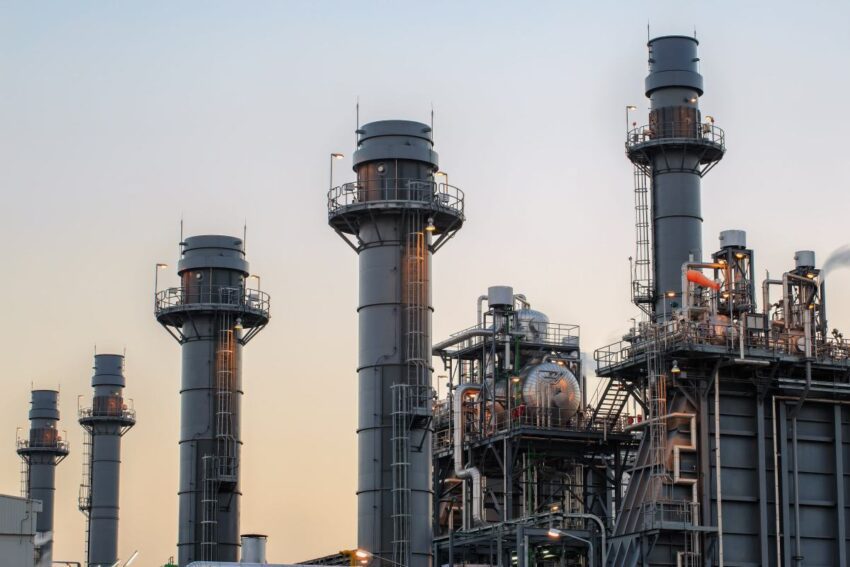
the white house wants ai companies to The White House is urging artificial intelligence companies to absorb rising electricity costs, a move that many major players in the sector have already agreed to implement.
the white house wants ai companies to
Background on AI and Energy Costs
As artificial intelligence continues to evolve and expand across various industries, the demand for computational power has surged. This increase in demand has led to significant energy consumption, raising concerns about the environmental impact and the associated costs. The energy requirements for training large AI models can be substantial, leading to higher electricity bills for companies that operate data centers.
In recent years, hyperscale cloud providers, often referred to as hyperscalers, have become integral to the AI landscape. These companies, which include giants like Amazon Web Services, Google Cloud, and Microsoft Azure, operate vast data centers that power AI applications. As energy prices fluctuate, particularly in the wake of global events and supply chain disruptions, these companies face mounting pressure to manage their operational costs effectively.
The White House’s Initiative
In light of these challenges, the White House has taken a proactive stance, advocating for AI companies to absorb the rising costs of electricity rather than passing them on to consumers. This initiative aims to ensure that the growth of AI technology remains accessible and sustainable, particularly for smaller businesses and startups that may struggle with increased operational expenses.
Officials have expressed concerns that if AI companies do not take responsibility for these costs, it could hinder innovation and limit the potential benefits of AI across various sectors. By encouraging companies to cover these expenses, the White House hopes to foster an environment where AI can thrive without imposing additional financial burdens on users.
Industry Response
Many hyperscalers have already made public commitments to cover electricity cost increases. These commitments reflect a growing awareness of the importance of sustainability and corporate responsibility in the tech industry. By absorbing these costs, companies can demonstrate their commitment to supporting the broader ecosystem of AI development.
For instance, Amazon Web Services has announced initiatives aimed at reducing energy consumption in its data centers, including investments in renewable energy sources. Similarly, Google Cloud has pledged to operate on 24/7 carbon-free energy by 2030, which aligns with the White House’s goals of promoting sustainability in technology.
Specific Commitments from Major Players
- Amazon Web Services: AWS has committed to investing in renewable energy projects and improving energy efficiency in its data centers. The company has stated that it will absorb the costs associated with electricity rate hikes to ensure that its customers are not adversely affected.
- Google Cloud: Google has set ambitious goals for carbon-free energy and has pledged to cover any increases in electricity costs as part of its commitment to sustainability. The company aims to lead the industry in reducing its carbon footprint while supporting its clients.
- Microsoft Azure: Microsoft has also announced plans to invest heavily in renewable energy and has committed to covering electricity cost increases. The company is focused on achieving its sustainability targets while ensuring that its cloud services remain affordable for users.
Implications for the AI Ecosystem
The White House’s push for AI companies to absorb electricity costs has several implications for the broader AI ecosystem. By alleviating financial pressures on smaller companies and startups, this initiative could encourage innovation and competition within the industry. Startups often operate on tight budgets, and increased operational costs can stifle their growth and development.
Furthermore, this initiative aligns with a growing trend toward corporate sustainability and responsibility. As consumers become more environmentally conscious, companies that prioritize sustainability may gain a competitive edge. By absorbing electricity costs, AI companies can enhance their reputations and appeal to a broader audience.
Challenges and Considerations
While the commitment to absorb electricity costs is a positive step, it is not without challenges. Companies must balance their operational expenses with the need to remain profitable. The energy market is volatile, and unforeseen spikes in electricity costs could strain budgets, particularly for smaller firms.
Additionally, there is the question of how long companies can sustain this commitment. As AI technology continues to evolve, the demand for energy is expected to grow. Companies will need to implement strategies to manage their energy consumption effectively while maintaining their commitments to absorb costs.
Stakeholder Reactions
The response from stakeholders across the technology sector has been largely positive. Industry leaders have praised the White House’s initiative as a necessary step toward ensuring the sustainability of AI development. Many see it as a recognition of the unique challenges faced by AI companies in managing energy costs.
However, some critics have raised concerns about the feasibility of this initiative. They argue that while large companies may have the resources to absorb costs, smaller firms may struggle to do so. There are calls for additional support measures to ensure that all companies, regardless of size, can benefit from this initiative.
Future Outlook
Looking ahead, the relationship between AI companies and energy consumption will continue to evolve. As the demand for AI technology grows, companies will need to find innovative solutions to manage their energy needs. This may include investing in more energy-efficient hardware, optimizing data center operations, and exploring alternative energy sources.
The White House’s initiative may serve as a catalyst for further discussions around energy consumption and sustainability in the tech industry. As more companies commit to absorbing electricity costs, it could lead to a broader movement toward corporate responsibility and environmental stewardship.
Conclusion
The White House’s call for AI companies to cover rising electricity costs reflects a growing awareness of the challenges faced by the tech industry in managing energy consumption. With many hyperscalers already committing to this initiative, the potential for positive change in the AI ecosystem is significant. By prioritizing sustainability and corporate responsibility, AI companies can foster innovation while ensuring that the benefits of technology remain accessible to all.
Source: Original report
Was this helpful?
Explore more: AI Automation Services More AI & Automation Tech News
Last Modified: February 26, 2026 at 3:38 am
18 views