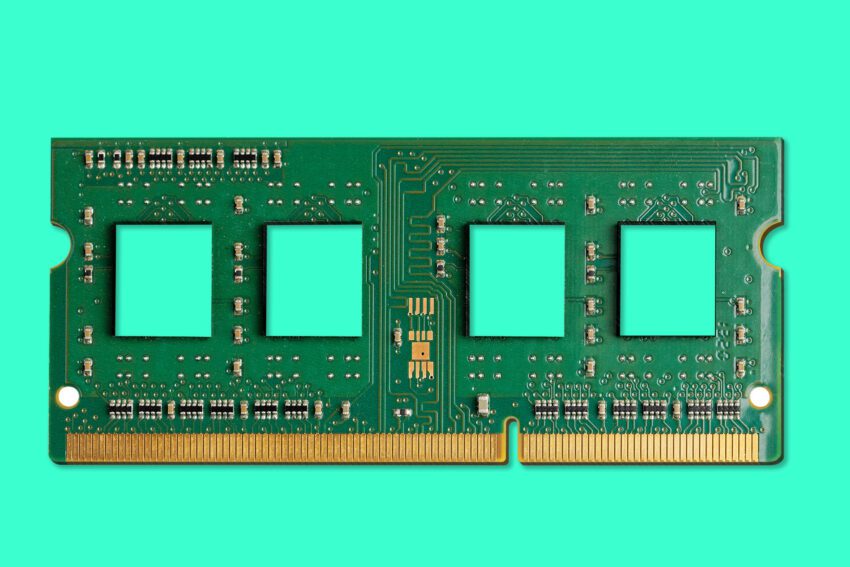
the ram shortage is here to stay A global shortage of RAM is set to significantly impact the prices of smartphones and PCs, with projections indicating that this situation will persist until at least 2027.
the ram shortage is here to stay
Understanding the RAM Shortage
The current RAM shortage is a result of several interrelated factors, primarily driven by increased demand from artificial intelligence (AI) companies. The International Data Corporation (IDC) has released a report detailing the implications of this shortage, which it describes as marking “the end of an era of cheap, abundant memory and storage.” This shift is likely to affect consumers and businesses alike, as the cost of essential components rises.
Key Players in the RAM Market
The RAM market is dominated by a few major manufacturers, including Micron, Samsung, and SK Hynix. These companies have been reallocating their resources to meet the burgeoning demand from AI firms, which require vast amounts of memory for their data centers. This strategic pivot has resulted in reduced availability of RAM for other sectors, including personal computing and gaming.
Impact on Prices
As demand for RAM continues to outstrip supply, prices have surged dramatically. According to industry analysts, the cost of DRAM (Dynamic Random Access Memory) has increased significantly over the past few months. This price hike is expected to influence the retail prices of consumer electronics, including smartphones and PCs. For instance, a typical gaming PC upgrade that previously cost a few hundred dollars may now require a substantially larger investment, making it less accessible for average consumers.
Broader Implications for Consumers
The ramifications of the RAM shortage extend beyond just higher prices. Consumers may face longer wait times for new devices, as manufacturers struggle to secure the necessary components. This situation could lead to a backlog in product releases, particularly for high-demand items like gaming consoles and flagship smartphones. As a result, consumers may find themselves holding onto older devices for longer periods, which could impact the overall market dynamics.
Consumer Electronics and Gaming
For gamers, the RAM shortage poses a unique challenge. Many are looking to upgrade their systems to take advantage of the latest games and technologies, but the increased costs may deter some from making these investments. The gaming community has already seen price increases for graphics cards and other components, and the RAM shortage is likely to exacerbate these issues. As a result, gamers may need to reassess their upgrade plans and budget accordingly.
Potential Alternatives and Solutions
In light of the ongoing RAM shortage, some consumers may explore alternative solutions. For instance, opting for devices with lower memory specifications or considering refurbished models could provide a more budget-friendly option. Additionally, manufacturers may begin to innovate in other areas, such as optimizing software to require less memory, thereby alleviating some of the pressure on hardware requirements.
Industry Reactions and Future Outlook
The response from industry stakeholders has been varied. While some manufacturers are ramping up production to meet demand, others are focusing on strategic partnerships with AI companies to secure their own supply chains. This has led to a competitive landscape where companies must navigate both the challenges of supply constraints and the opportunities presented by the growing AI sector.
Long-Term Projections
The IDC’s forecast indicates that the RAM shortage will persist well into 2027. This long-term outlook raises concerns about the sustainability of current pricing trends and the potential for further disruptions in the supply chain. As AI continues to evolve and expand, the demand for memory is unlikely to diminish, suggesting that consumers may need to adapt to a new normal characterized by higher prices and limited availability.
Investment in Production Capacity
To address the ongoing shortage, major RAM manufacturers are investing in expanding their production capacities. This includes building new facilities and upgrading existing ones to increase output. However, these efforts take time and may not yield immediate results. Analysts suggest that it could take several years for the market to stabilize, during which consumers may continue to face elevated prices.
Conclusion: Navigating the RAM Shortage
The current RAM shortage presents a complex challenge for consumers and manufacturers alike. As prices rise and availability diminishes, individuals will need to make informed decisions regarding their technology purchases. Whether opting for lower-spec devices or waiting for potential price corrections, understanding the implications of this shortage will be crucial in navigating the evolving landscape of consumer electronics.
In summary, the RAM shortage is not just a temporary blip; it represents a significant shift in the market dynamics that could have lasting effects. As we look ahead, the interplay between AI demand and consumer electronics will likely shape the future of technology in ways we are only beginning to understand.
Source: Original report
Was this helpful?
Explore more: More Hardware & Devices Tech News Blog
Last Modified: December 20, 2025 at 12:40 am
15 views