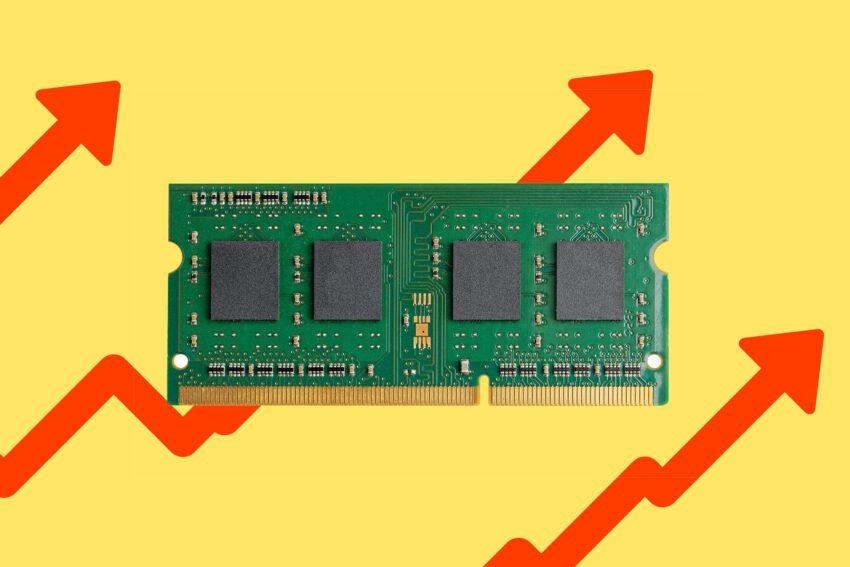
the ram crunch could kill products and Phison CEO Pua Khein-Seng has raised alarm bells about the ongoing RAM shortage, warning that it could lead to significant product cuts and even the demise of some companies.
the ram crunch could kill products and
The Current State of the RAM Market
The global semiconductor industry has been grappling with supply chain disruptions for several years, and the RAM market is no exception. The COVID-19 pandemic exacerbated existing issues, leading to shortages that have affected various sectors, including consumer electronics, automotive, and data centers. As demand for high-performance computing continues to rise, the pressure on RAM supply chains has intensified.
Phison, a prominent manufacturer of controller chips for solid-state drives (SSDs) and other flash memory devices, finds itself at the forefront of this crisis. CEO Pua Khein-Seng’s insights shed light on the severity of the situation, particularly as it pertains to the future of technology products and the companies that produce them.
Implications for Product Lines
During a recent interview with Taiwanese broadcaster Next TV, Khein-Seng indicated that companies may need to make tough decisions regarding their product lines in the second half of 2026. This could mean scaling back on new product launches or even discontinuing existing products that rely heavily on RAM components. The ramifications of such decisions could be far-reaching, affecting everything from consumer electronics to enterprise solutions.
As companies look to navigate this challenging landscape, they may prioritize products that are more profitable or in higher demand, potentially leaving niche products and less popular categories vulnerable. This shift could lead to a homogenization of the market, where only the most successful products survive, ultimately limiting consumer choice.
Potential Company Closures
Khein-Seng did not shy away from discussing the darker side of the RAM shortage. He warned that some companies might not survive if they cannot secure the necessary components to manufacture their products. This sentiment resonates with many in the industry, as smaller firms often lack the resources to weather prolonged supply chain disruptions.
For startups and smaller manufacturers, the inability to obtain RAM can be particularly devastating. These companies often operate on thin margins and rely heavily on timely access to components. A prolonged shortage could lead to cash flow issues, layoffs, or even bankruptcy. The tech industry has seen numerous companies rise and fall in recent years, and the RAM shortage could accelerate this trend.
Broader Industry Context
The RAM shortage is not an isolated issue; it is part of a larger narrative within the semiconductor industry. The global chip shortage has affected various sectors, including automotive, consumer electronics, and telecommunications. As companies scramble to secure components, the competition for RAM has intensified, leading to price increases and further supply constraints.
According to industry analysts, the demand for RAM is expected to continue growing, driven by trends such as artificial intelligence, machine learning, and the increasing need for data storage. As more devices become interconnected through the Internet of Things (IoT), the demand for high-performance RAM will only escalate. This creates a perfect storm for manufacturers who are already struggling to keep up with current demand.
Stakeholder Reactions
The response from stakeholders across the tech industry has been mixed. Some companies are taking proactive measures to mitigate the impact of the RAM shortage. For instance, major players like Samsung and Micron have ramped up production to meet the rising demand. However, these efforts may not be enough to alleviate the supply constraints in the short term.
On the other hand, smaller companies and startups are expressing growing concern. Many have voiced their frustrations regarding the lack of transparency in the supply chain and the challenges they face in securing components. The uncertainty surrounding the RAM market has led some companies to reconsider their long-term strategies, with some even exploring alternative technologies or materials.
Future Outlook
Looking ahead, the future of the RAM market remains uncertain. While some analysts predict that supply will eventually catch up with demand, others caution that the ongoing geopolitical tensions and trade disputes could further complicate the situation. The semiconductor industry is highly interconnected, and disruptions in one area can have cascading effects throughout the supply chain.
As companies navigate these challenges, they will need to adopt more flexible and resilient supply chain strategies. This may involve diversifying suppliers, investing in research and development, and exploring new manufacturing technologies. Additionally, companies may need to engage in more collaborative efforts to address the root causes of the RAM shortage and work towards a more sustainable future.
Conclusion
The warnings from Phison’s CEO serve as a crucial reminder of the fragility of the semiconductor supply chain and the potential consequences of the ongoing RAM shortage. As companies grapple with the implications of this crisis, the tech industry must remain vigilant and proactive in addressing these challenges. The future of many products and companies hangs in the balance, and the decisions made in the coming months will have lasting impacts on the landscape of technology.
Source: Original report
Was this helpful?
Explore more: More Hardware & Devices Tech News Blog
Last Modified: February 19, 2026 at 5:36 am
19 views