the netherlands is the first european country The Netherlands has become the first European country to officially approve Tesla’s supervised Full Self-Driving (FSD) system, marking a significant milestone in the realm of autonomous vehicle technology.
the netherlands is the first european country
Overview of the Approval Process
In a statement released by the Dutch Vehicle Authority, known as RDW, the approval comes after more than a year and a half of rigorous testing. This extensive evaluation process was designed to ensure that the FSD system meets safety and regulatory standards before being allowed on public roads. The RDW’s decision is particularly noteworthy as it sets a precedent for other European nations considering similar advancements in autonomous driving technology.
Significance of the Approval
The approval of Tesla’s FSD in the Netherlands could pave the way for broader adoption of autonomous driving technologies across the European Union. As the EU continues to grapple with regulatory frameworks for autonomous vehicles, the Netherlands’ decision may serve as a model for other member states. This could lead to a more unified approach to the regulation of self-driving cars, potentially accelerating their integration into everyday transportation.
Impact on Tesla and the European Market
With its European headquarters located in Amsterdam, Tesla’s choice of the Netherlands as the first country to approve its FSD system is particularly strategic. This approval not only enhances Tesla’s reputation in Europe but also strengthens its market position against competitors who are also developing autonomous driving technologies. The Netherlands has long been viewed as a progressive nation in terms of technology adoption, making it an ideal testing ground for innovations like FSD.
Understanding Tesla’s Full Self-Driving Technology
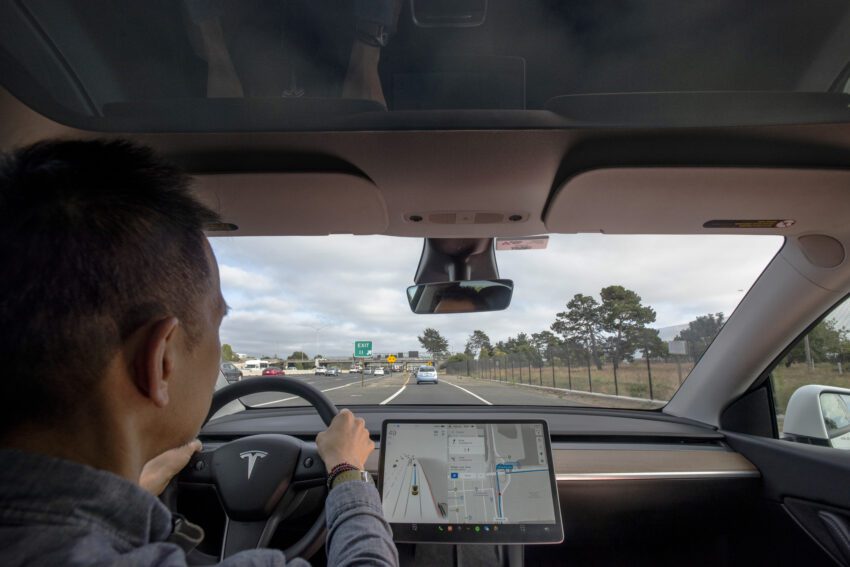
Tesla’s Full Self-Driving system is designed to assist drivers by automating various aspects of driving. While the technology is not fully autonomous, it offers features such as lane changing, traffic-aware cruise control, and the ability to navigate on highways. The supervised aspect of the FSD means that while the system can perform many driving tasks, a human driver must remain attentive and ready to take control at any moment.
Technical Specifications
The FSD system utilizes a combination of cameras, sensors, and artificial intelligence to interpret the vehicle’s surroundings. This technology is continuously updated through over-the-air software updates, allowing Tesla to improve its features and address any safety concerns promptly. The system’s reliance on real-time data and machine learning algorithms enables it to adapt to various driving conditions, making it a robust option for both urban and rural environments.
Safety Considerations
Safety has been a primary concern surrounding the deployment of autonomous vehicles. In its announcement, the RDW emphasized that “using driver assistance systems correctly makes a positive contribution to road safety because the driver is supported in their driving task.” This statement reflects a growing recognition that, when used appropriately, advanced driver-assistance systems can enhance road safety by reducing human error, which is a leading cause of traffic accidents.
Regulatory Landscape in Europe
The approval of Tesla’s FSD in the Netherlands comes at a time when European regulators are actively working on establishing comprehensive guidelines for autonomous vehicles. The European Commission has proposed a framework that aims to ensure safety and accountability in the deployment of self-driving cars. This includes requirements for testing, certification, and ongoing monitoring of autonomous systems.
Challenges Ahead
Despite the positive developments, challenges remain. The regulatory landscape in Europe is complex, with each country having its own set of rules and regulations. This fragmentation can hinder the widespread adoption of autonomous driving technologies. Moreover, public perception of self-driving cars varies significantly across different regions, with some consumers expressing skepticism about their safety and reliability.
Stakeholder Reactions
The approval has garnered mixed reactions from various stakeholders. Supporters, including Tesla enthusiasts and advocates for technological innovation, view this as a significant step forward in the evolution of transportation. They argue that the integration of FSD technology can lead to safer roads and more efficient traffic management.
Conversely, critics have raised concerns about the implications of allowing semi-autonomous vehicles on public roads. Some safety advocates argue that the technology is not yet mature enough to be fully trusted, citing incidents involving Tesla vehicles operating in Autopilot mode. These concerns highlight the need for ongoing dialogue between regulators, manufacturers, and the public to address safety issues and build trust in autonomous technologies.
Future Implications for the EU and Beyond
The Netherlands’ approval of Tesla’s FSD could have far-reaching implications for the future of transportation in Europe and beyond. As other countries observe the outcomes of this decision, they may be encouraged to follow suit, potentially leading to a domino effect in the adoption of autonomous vehicle technologies. This could result in a more interconnected and efficient transportation network across the continent.
Potential for Expansion
Should the FSD system prove successful in the Netherlands, Tesla may seek to expand its offerings to other European markets. This could involve adapting the technology to meet specific regulatory requirements in different countries. The ability to navigate various regulatory landscapes will be crucial for Tesla as it aims to solidify its presence in the European automotive market.
Long-Term Vision for Autonomous Driving
Looking ahead, the long-term vision for autonomous driving includes not only the development of more advanced technologies but also the establishment of a supportive regulatory framework. This framework must balance innovation with safety, ensuring that the benefits of autonomous vehicles can be realized without compromising public trust. The Netherlands’ proactive approach may serve as a blueprint for other nations as they navigate the complexities of integrating self-driving cars into their transportation systems.
Conclusion
The approval of Tesla’s supervised Full Self-Driving system in the Netherlands marks a significant milestone in the journey toward autonomous vehicles. As the first European country to grant such approval, the Netherlands is setting a precedent that could influence regulatory approaches across the EU. While challenges remain, the potential benefits of integrating advanced driver-assistance systems into everyday transportation are substantial. The ongoing dialogue among stakeholders will be crucial in shaping the future of autonomous driving and ensuring that safety remains a top priority.
Source: Original report
Was this helpful?
Explore more: More Hardware & Devices Tech News Blog
Last Modified: April 12, 2026 at 2:36 pm
15 views