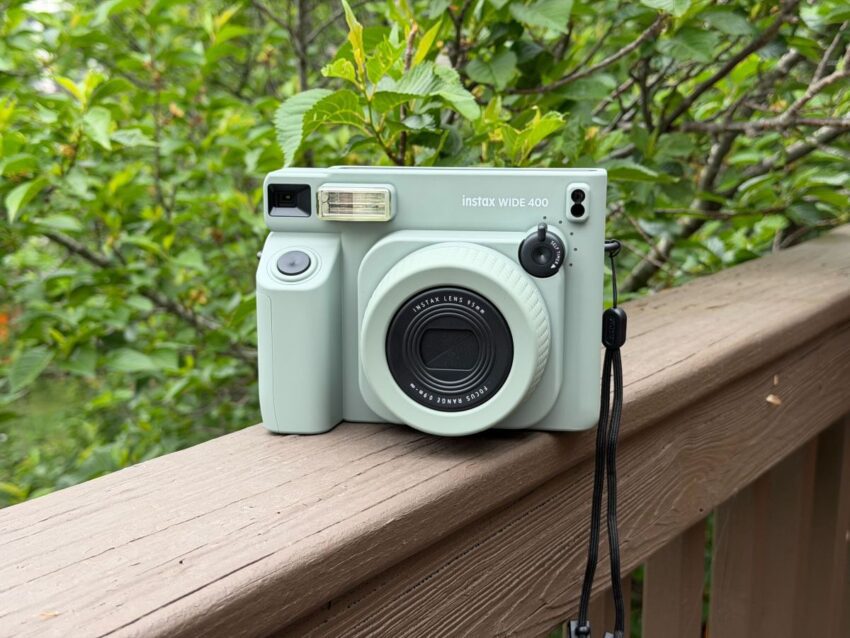
Fujifilm has unveiled the Instax Wide 400, a new addition to its popular line of instant cameras, which aims to blend the simplicity of analog photography with modern enhancements.
The Rise of Instant Photography
In an era dominated by digital technology and artificial intelligence, the allure of analog instant film and retro-style cameras has not waned. This resurgence can be attributed to a combination of nostalgia and novelty, as consumers seek tangible ways to capture and share memories. The Instax Wide 400 is a testament to this trend, offering a fresh take on instant photography while maintaining the core elements that have made it beloved by enthusiasts.
The Appeal of Analog
Analog photography evokes a sense of authenticity that digital images often lack. The tactile experience of loading film, the anticipation of waiting for a photo to develop, and the unique imperfections that come with instant prints contribute to a more personal connection to the medium. Many users find that instant cameras provide a break from the fast-paced digital world, allowing them to engage more meaningfully with their surroundings.
Nostalgia Meets Modernity
The Instax Wide 400 builds on this foundation by incorporating features that appeal to both traditionalists and a new generation of users. While it retains the classic design and functionality of its predecessors, it also introduces enhancements that make it more versatile and user-friendly. This blend of nostalgia and modernity is crucial in attracting a diverse audience, from seasoned photographers to casual users looking for a fun way to document their lives.
Key Features of the Instax Wide 400
The Instax Wide 400 is designed to deliver high-quality instant photographs while offering a range of features that enhance the user experience. Some of the standout attributes include:
- Wide Format Prints: The camera produces larger prints compared to its smaller counterparts, providing more detail and a greater sense of presence in each image.
- Automatic Exposure Control: This feature allows the camera to adjust settings based on lighting conditions, ensuring optimal results in various environments.
- Self-Timer Function: Ideal for group shots or selfies, the self-timer allows users to join the frame without the need for a remote or additional help.
- Multiple Exposure Mode: This creative feature enables users to layer images, resulting in unique and artistic photographs.
- Improved Flash System: The enhanced flash system ensures that photos are well-lit, even in low-light situations, making it easier to capture moments as they happen.
Design and Usability
The design of the Instax Wide 400 is both functional and aesthetically pleasing. Its ergonomic grip and intuitive layout make it accessible for users of all skill levels. The camera’s controls are straightforward, allowing users to focus on capturing moments rather than navigating complex settings. This simplicity is a key selling point, as it aligns with the overarching theme of instant photography: immediacy and ease of use.
Market Position and Competition
The Instax Wide 400 enters a competitive market, where several brands are vying for the attention of instant photography enthusiasts. Fujifilm’s Instax line has been a dominant player, but it faces competition from other manufacturers, including Polaroid and Kodak, which have also released their own instant cameras. Each brand brings its unique features and aesthetics to the table, making it essential for Fujifilm to differentiate the Wide 400 effectively.
Consumer Trends
Current consumer trends indicate a growing interest in experiences over material possessions. Instant photography aligns perfectly with this shift, as it encourages users to capture and share moments in real-time. The tactile nature of instant prints adds an additional layer of engagement, allowing users to create physical keepsakes rather than merely digital files. This trend is particularly appealing to younger generations, who value authenticity and personal connections in their interactions.
Pricing and Accessibility
Pricing is a critical factor in the success of the Instax Wide 400. Positioned as a mid-range option, it aims to attract both casual users and serious photographers. The affordability of the camera, combined with the relatively low cost of instant film, makes it accessible to a broad audience. Fujifilm’s strategy appears to focus on creating a product that offers value without compromising on quality, which is essential in a market where consumers are increasingly discerning.
Stakeholder Reactions
The announcement of the Instax Wide 400 has garnered positive reactions from both consumers and industry experts. Many enthusiasts have expressed excitement over the camera’s features, particularly the larger print size and improved usability. Social media platforms have been abuzz with discussions about the potential of the Wide 400 to reinvigorate interest in instant photography.
Expert Opinions
Photography experts have noted that the Instax Wide 400 could play a significant role in bridging the gap between traditional and modern photography. By offering features that cater to both experienced photographers and newcomers, the camera has the potential to attract a diverse user base. Experts also emphasize the importance of Fujifilm’s commitment to quality, which has been a hallmark of the Instax brand.
Consumer Feedback
Initial consumer feedback has highlighted the camera’s ease of use and the quality of the prints. Users have praised the automatic exposure control, which simplifies the shooting process, especially for those who may not have extensive photography experience. The self-timer function has also received positive reviews, as it allows for more inclusive group photos without the need for additional equipment.
Implications for the Future of Instant Photography
The introduction of the Instax Wide 400 may signal a broader trend in the photography industry, where analog and digital technologies coexist and complement each other. As consumers continue to seek authentic experiences, instant photography is likely to remain relevant, evolving to meet the needs of a changing market.
Potential for Innovation
Fujifilm’s commitment to innovation in the instant photography space could pave the way for future developments. As technology advances, there may be opportunities to integrate digital features into analog cameras without sacrificing the essence of instant photography. For instance, incorporating connectivity options could allow users to share their instant prints digitally while still enjoying the tactile experience of physical photos.
Environmental Considerations
As with any product, environmental considerations are becoming increasingly important to consumers. The production and disposal of instant film can have ecological implications, prompting companies like Fujifilm to explore sustainable practices. Initiatives aimed at reducing waste and improving the recyclability of materials could resonate with environmentally conscious consumers, further enhancing the appeal of the Instax Wide 400.
Conclusion
The Instax Wide 400 represents a significant step forward in the realm of instant photography, blending nostalgia with modern enhancements to create a product that appeals to a broad audience. As consumers continue to seek authentic and meaningful ways to capture their experiences, the demand for instant cameras is likely to grow. With its thoughtful design, user-friendly features, and commitment to quality, the Instax Wide 400 is poised to make a lasting impact in the world of photography.
Source: Original report
Was this helpful?
Explore more: More Consumer Technology Tech News Blog
Last Modified: May 9, 2026 at 10:36 pm
16 views