the google weather android app is going Google is discontinuing its Android Weather app, transitioning users to rely on Search results for weather information.
the google weather android app is going
Overview of the Change
In a significant move, Google has announced the deprecation of its native Weather app on Android devices. This change marks a shift in how users will access weather information, as the tech giant pivots towards utilizing its Search platform for weather-related queries. The transition has been gradual, with initial signs of this shift appearing several months ago. However, recent developments indicate that the process is accelerating, leading to widespread user notifications and adjustments in the app’s functionality.
Timeline of Events
The timeline of this change can be traced back to early 2023 when users first noticed inconsistencies in the Weather app’s performance. Reports began surfacing that the app was not displaying updated weather data as frequently as before. By mid-2023, Google had started to replace the app’s interface with a more streamlined version that directed users to Google Search for weather updates.
As of February 2026, the transition has reached a critical point, with many users receiving notifications that the Weather app will no longer be available. This has prompted discussions among users regarding the implications of relying solely on Google Search for weather information.
Reasons Behind the Deprecation
Several factors appear to influence Google’s decision to phase out the Weather app. Primarily, the company aims to consolidate its services and enhance user experience by directing all weather-related inquiries to its Search engine. This move aligns with Google’s broader strategy of integrating various functionalities into a single platform, thereby simplifying user interactions.
Moreover, the reliance on Search results allows Google to leverage its extensive data analytics capabilities. By utilizing real-time data from various sources, the Search engine can provide users with more accurate and timely weather updates. This shift also enables Google to incorporate additional features, such as personalized weather alerts based on user location and preferences.
User Reactions
The response from users has been mixed. While some appreciate the convenience of accessing weather information through Google Search, others express frustration over the loss of a dedicated Weather app. Users have taken to social media platforms to voice their concerns, with many highlighting the ease of use and accessibility that the app provided.
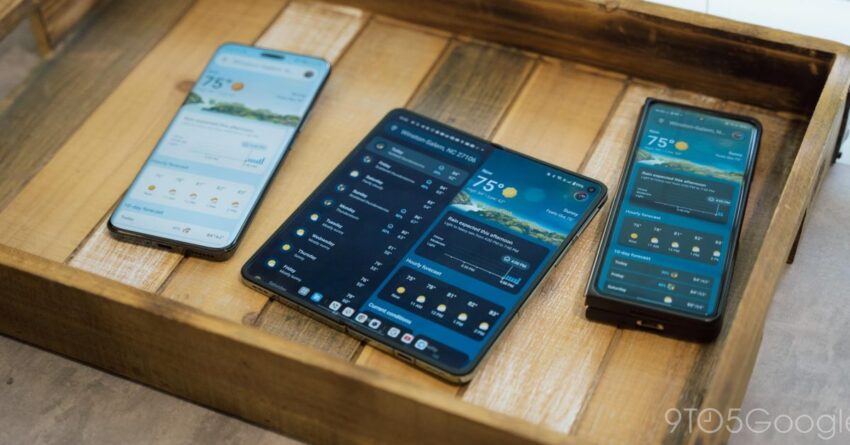
Some users have noted that the Weather app offered a more visually appealing interface, with easy-to-read forecasts and radar maps. In contrast, they argue that the Search results can be cluttered and less user-friendly, particularly for those who prefer a quick glance at the weather without sifting through multiple links and ads.
Implications for Users
The discontinuation of the Weather app raises several implications for Android users. One of the most significant concerns is the potential loss of personalized weather features that the app provided. Users who relied on the app for tailored forecasts may find it challenging to replicate that experience through Search.
Additionally, the transition may lead to increased data usage for users who frequently check the weather. Accessing weather information through Search could require more bandwidth, particularly if users are directed to websites laden with advertisements and additional content. This could be a concern for those with limited data plans or slower internet connections.
Alternative Weather Solutions
As Google phases out its Weather app, users may seek alternative solutions for their weather needs. Several third-party weather applications are available on the Google Play Store, offering a range of features that may appeal to former Weather app users. Some popular alternatives include:
- The Weather Channel: Known for its comprehensive forecasts and radar maps, this app provides detailed weather information and alerts.
- AccuWeather: This app offers hyper-local forecasts and customizable notifications, allowing users to stay informed about changing weather conditions.
- Weather Underground: With a focus on community-sourced data, this app provides accurate forecasts and real-time updates from local weather stations.
While these alternatives may fill the gap left by the Google Weather app, users will need to evaluate which features are most important to them and whether they are willing to download and manage additional applications.
Contextualizing the Decision
This decision to discontinue the Weather app is part of a broader trend within the tech industry, where companies are increasingly consolidating services and prioritizing integrated platforms. As users demand more streamlined experiences, tech giants like Google are responding by eliminating standalone applications in favor of multifunctional services.
Furthermore, the rise of artificial intelligence and machine learning technologies has enabled companies to provide more personalized and accurate information through existing platforms. By directing users to Google Search, the company can utilize its advanced algorithms to deliver tailored weather updates based on user behavior and preferences.
Stakeholder Perspectives
From a business perspective, Google’s decision to phase out the Weather app may have several implications. On one hand, consolidating services can lead to reduced operational costs and streamlined development processes. By focusing on a single platform, Google can allocate resources more efficiently, potentially enhancing the overall user experience.
However, this move may also alienate a segment of users who prefer dedicated applications for specific functions. As users seek alternatives, there is a risk that they may turn to competitors, which could impact Google’s market share in the weather information sector.
Future of Weather Information Access
The future of weather information access on Android devices will likely evolve as Google continues to refine its Search capabilities. As the company invests in AI and machine learning, users can expect more sophisticated features, such as predictive weather modeling and enhanced location-based services.
Moreover, as the demand for real-time information grows, Google may explore partnerships with weather data providers to enhance the accuracy and reliability of its Search results. This could lead to a more robust weather information ecosystem, where users can access a wealth of data without the need for a dedicated app.
Conclusion
The discontinuation of the Google Weather app marks a significant shift in how users will access weather information on Android devices. While the transition to Google Search may offer some advantages, it also raises concerns regarding user experience and the loss of personalized features. As users adapt to this change, the landscape of weather information access will continue to evolve, driven by advancements in technology and changing user preferences.
Source: Original report
Was this helpful?
Explore more: Mobile App Development More Mobile Technology Tech News
Last Modified: February 21, 2026 at 9:43 am
26 views