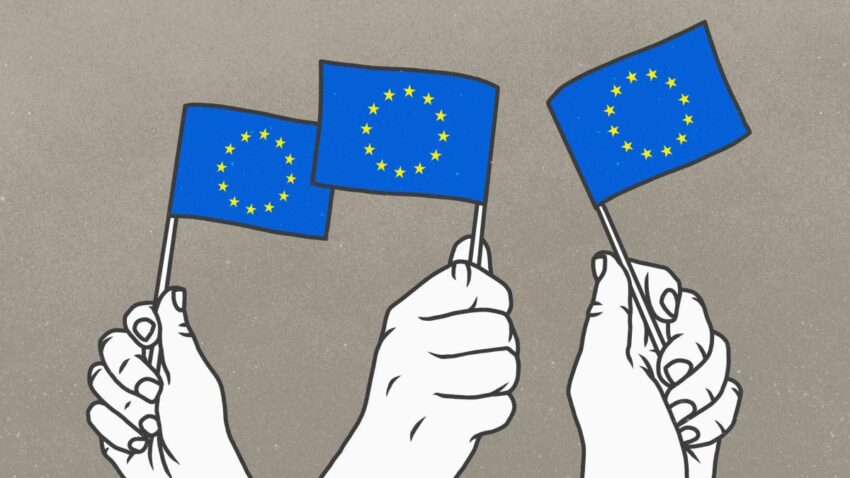
the european startup market is ready for The European startup ecosystem is on the verge of a significant breakthrough, aiming to produce its first trillion-dollar startup.
the european startup market is ready for
The Current Landscape of European Startups
In recent years, Europe has emerged as a formidable player in the global startup arena. The region has witnessed a surge in entrepreneurial activity, driven by a combination of favorable regulatory frameworks, increased access to venture capital, and a growing pool of talent. Cities such as Berlin, London, Paris, and Amsterdam have become vibrant hubs for innovation, attracting both local and international entrepreneurs.
Investment Trends
Investment in European startups has reached unprecedented levels. According to recent reports, venture capital funding in Europe surpassed €100 billion in 2023, marking a significant increase from previous years. This influx of capital has been fueled by a diverse range of investors, including traditional venture capital firms, private equity, and corporate investors. Notably, the rise of European tech giants has also contributed to this trend, as successful companies reinvest their profits into the startup ecosystem.
Key Sectors Driving Growth
Several sectors are particularly ripe for growth within the European startup landscape. These include:
- Fintech: Europe has established itself as a global leader in financial technology, with companies like Revolut and TransferWise paving the way. The demand for innovative financial solutions continues to grow, driven by changing consumer behaviors and regulatory advancements.
- Healthtech: The COVID-19 pandemic accelerated the adoption of digital health solutions. Startups focusing on telemedicine, health data analytics, and personalized medicine are gaining traction, attracting significant investment.
- Greentech: With increasing awareness of climate change, the greentech sector is experiencing rapid growth. European startups are developing sustainable technologies aimed at reducing carbon footprints and promoting renewable energy.
- Artificial Intelligence: AI startups are proliferating across Europe, with applications ranging from automation to data analysis. The region’s strong research base in AI is fostering innovation and attracting funding.
The Road to a Trillion-Dollar Startup
The ambition to create a trillion-dollar startup is not merely a lofty goal; it reflects a broader aspiration for Europe to compete with established tech giants like the United States and China. Achieving this milestone would require a combination of factors, including sustained investment, a robust talent pipeline, and a supportive regulatory environment.
Investment Ecosystem
For Europe to nurture a trillion-dollar startup, the investment ecosystem must continue to evolve. While the current funding landscape is promising, challenges remain. Many European startups still struggle to secure the levels of funding seen in Silicon Valley. To bridge this gap, there is a need for more growth-stage investors who can provide the necessary capital for scaling businesses.
Additionally, fostering a culture of risk-taking is essential. European investors have historically been more conservative compared to their American counterparts. Encouraging a mindset that embraces risk and innovation will be crucial for the next generation of startups.
Talent Acquisition and Retention
Talent is a critical component of any successful startup ecosystem. Europe boasts a highly educated workforce, with numerous universities producing skilled graduates in technology and business. However, attracting and retaining top talent remains a challenge, particularly in competitive sectors like tech.
To address this issue, European countries are implementing various initiatives aimed at enhancing the appeal of their job markets. These include:
- Startup Visas: Many European nations are introducing startup visa programs to attract international entrepreneurs and skilled workers.
- Educational Partnerships: Collaborations between universities and startups are being encouraged to ensure that graduates possess the skills needed in the evolving job market.
- Remote Work Opportunities: The rise of remote work has enabled startups to tap into a global talent pool, allowing them to hire the best talent regardless of geographical constraints.
Regulatory Environment
A supportive regulatory environment is vital for the growth of the startup ecosystem. European policymakers are increasingly recognizing the importance of fostering innovation and entrepreneurship. Initiatives aimed at simplifying regulations, reducing bureaucratic hurdles, and providing tax incentives for startups are gaining traction.
European Union Initiatives
The European Union has launched several initiatives to bolster the startup ecosystem. The European Innovation Council (EIC) aims to support high-risk, high-reward startups through funding and mentorship. Additionally, the EU’s Digital Single Market strategy seeks to create a unified digital landscape, making it easier for startups to operate across borders.
Challenges Ahead
Despite the positive developments, challenges persist. The European startup ecosystem faces several hurdles that could impede its growth trajectory:
- Fragmented Market: The European market is fragmented, with varying regulations and market conditions across countries. This fragmentation can hinder scalability and complicate cross-border operations for startups.
- Competition from Other Regions: As other regions, particularly Asia, ramp up their startup ecosystems, Europe must remain competitive in attracting talent and investment.
- Economic Uncertainty: Global economic uncertainties, including inflation and geopolitical tensions, could impact investor confidence and funding availability.
Stakeholder Reactions
The enthusiasm surrounding the potential for a trillion-dollar startup has elicited varied reactions from stakeholders across the ecosystem.
Entrepreneurs
Many entrepreneurs express optimism about the future of the European startup landscape. They believe that the combination of increased funding, a supportive regulatory environment, and a growing talent pool will create fertile ground for innovation. However, some also emphasize the need for sustained efforts to address existing challenges, particularly in terms of funding accessibility and market fragmentation.
Investors
Investors are increasingly recognizing the potential of European startups. Many venture capital firms are actively seeking opportunities in the region, drawn by the promise of high returns and the emergence of innovative solutions. However, some investors caution that the ecosystem must continue to mature and evolve to sustain long-term growth.
Policymakers
Policymakers are generally supportive of initiatives aimed at fostering entrepreneurship. Many view the startup ecosystem as a key driver of economic growth and job creation. However, there is a call for more coordinated efforts at the EU level to address regulatory challenges and promote cross-border collaboration.
Conclusion
The European startup market is poised for a transformative phase, with aspirations to produce its first trillion-dollar startup. While the region has made significant strides in recent years, achieving this ambitious goal will require continued investment, a robust talent pipeline, and a supportive regulatory environment. Stakeholders across the ecosystem must work collaboratively to address existing challenges and seize the opportunities that lie ahead. As Europe continues to evolve as a global tech hub, the world will be watching closely to see which startup emerges as the region’s first trillion-dollar success story.
Source: Original report
Was this helpful?
Explore more: More Business & Startups Tech News Blog
Last Modified: November 21, 2025 at 6:41 pm
15 views