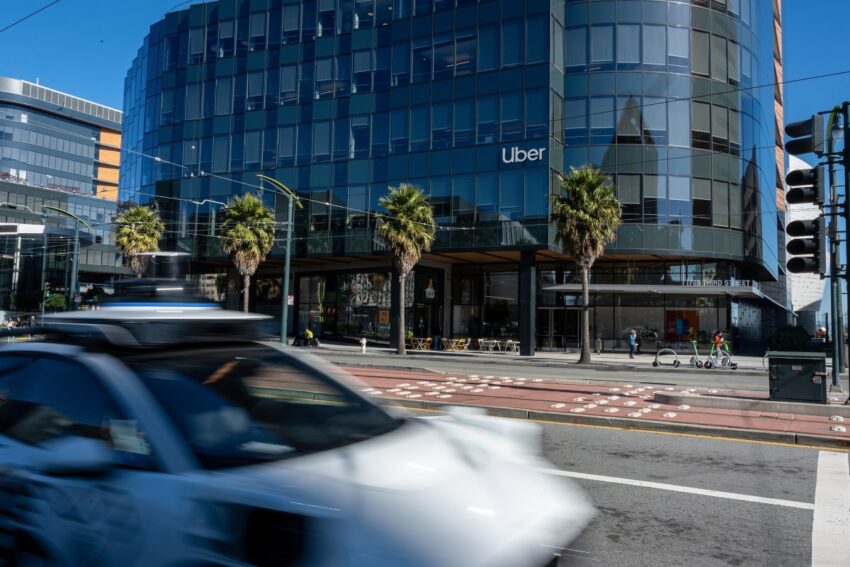
uber wants to turn its millions of Uber is exploring a novel approach to enhance its self-driving technology by leveraging its vast network of drivers as a sensor grid.
uber wants to turn its millions of
Overview of the Initiative
During an interview at TechCrunch’s StrictlyVC event in San Francisco, Praveen Neppalli Naga, Uber’s chief technology officer, unveiled an ambitious plan aimed at transforming the company’s millions of drivers into a comprehensive sensor network for self-driving technology. This initiative is seen as a natural progression from a program called AV Labs, which Uber announced in late January.
Background on AV Labs
AV Labs, short for Autonomous Vehicle Labs, was introduced as part of Uber’s ongoing commitment to advancing its self-driving capabilities. The program aims to facilitate collaboration between Uber and various stakeholders in the autonomous vehicle sector, including researchers, developers, and automotive manufacturers. By creating a platform for shared knowledge and resources, Uber hopes to accelerate the development of self-driving technology.
The Role of Drivers as Sensors
The concept of utilizing drivers as a sensor grid is innovative and multifaceted. Uber plans to harness the data generated by its drivers during their daily operations. This data includes real-time information about road conditions, traffic patterns, and potential hazards. By collecting and analyzing this data, Uber aims to enhance the accuracy and reliability of its self-driving algorithms.
Neppalli emphasized that this initiative is not merely about gathering data but also about creating a symbiotic relationship between human drivers and autonomous systems. The idea is to use the human element to complement the technological advancements in self-driving vehicles.
Implications for the Self-Driving Industry
This initiative has significant implications for the self-driving industry as a whole. By integrating human-driven data into the development of autonomous vehicles, Uber could potentially address some of the challenges that have plagued the industry, such as safety concerns and the need for extensive real-world testing.
Enhancing Safety and Reliability
One of the primary concerns surrounding self-driving technology is safety. By utilizing data from its drivers, Uber can create a more robust understanding of various driving conditions. This could lead to improved safety protocols and more reliable autonomous systems. For instance, if a driver encounters a particularly hazardous intersection, that information could be relayed back to Uber’s systems, allowing for adjustments in the self-driving algorithms.
Real-World Testing and Data Collection
Real-world testing is crucial for the development of self-driving technology. Traditional testing methods often involve controlled environments that may not accurately reflect the complexities of urban driving. By tapping into the experiences of its drivers, Uber can gather a wealth of data from diverse environments and scenarios. This data can be invaluable in refining the algorithms that govern autonomous vehicles.
Stakeholder Reactions
The announcement has elicited a range of reactions from various stakeholders in the tech and automotive industries. Some experts view this initiative as a groundbreaking step towards more effective self-driving technology, while others express skepticism about the feasibility and ethical implications of using human drivers as data sources.
Support from Industry Experts
Many industry experts have praised Uber’s innovative approach. They argue that leveraging a large pool of drivers for data collection could significantly enhance the development of self-driving technology. By integrating human insights with machine learning algorithms, Uber may be able to create a more adaptive and responsive autonomous system.
Concerns and Criticism
On the other hand, some critics have raised concerns about privacy and data security. The idea of using drivers as sensors raises questions about how data will be collected, stored, and utilized. There are also concerns about the potential for misuse of this data and the implications for driver privacy. Uber will need to address these concerns transparently to maintain trust among its drivers and users.
Potential Challenges Ahead
While the initiative presents exciting opportunities, it is not without its challenges. Implementing a system that effectively utilizes driver-generated data will require significant technological advancements and infrastructure investments.
Technological Hurdles
One of the primary challenges will be developing the necessary technology to process and analyze the vast amounts of data generated by drivers. This will require sophisticated algorithms capable of interpreting real-time data and translating it into actionable insights for self-driving systems. Additionally, ensuring the accuracy and reliability of this data will be paramount, as any discrepancies could lead to safety issues.
Infrastructure and Integration
Integrating this new data source into existing systems will also pose challenges. Uber will need to ensure that its platforms can seamlessly incorporate driver data without disrupting current operations. This may involve significant upgrades to existing infrastructure and the development of new software solutions.
Future Prospects for Uber and Self-Driving Technology
Looking ahead, Uber’s initiative to turn its drivers into a sensor grid could reshape the landscape of self-driving technology. If successful, this approach could lead to more reliable and safer autonomous vehicles, ultimately accelerating the adoption of self-driving technology in urban environments.
Collaboration with Other Companies
As Uber moves forward with this initiative, collaboration with other companies in the autonomous vehicle space will be crucial. Partnerships with automotive manufacturers, technology firms, and research institutions could enhance the effectiveness of this program. By pooling resources and expertise, Uber can create a more comprehensive approach to developing self-driving technology.
Long-Term Vision
Uber’s long-term vision appears to be focused on creating a seamless integration of human-driven and autonomous systems. By fostering a collaborative ecosystem, the company aims to address the complexities of urban mobility and improve the overall safety and efficiency of transportation.
Conclusion
Uber’s plan to transform its millions of drivers into a sensor grid represents a bold step forward in the development of self-driving technology. By leveraging real-world data from its drivers, the company aims to enhance the safety and reliability of autonomous vehicles. While challenges remain, the potential benefits of this initiative could significantly impact the future of transportation. As the self-driving industry continues to evolve, Uber’s innovative approach may serve as a model for other companies seeking to advance their autonomous vehicle technologies.
Source: Original report
Was this helpful?
Explore more: AI Automation Services More AI & Automation Tech News
Last Modified: May 2, 2026 at 1:35 pm
16 views