the controversies and setbacks plaguing smart rings — Smart rings, once heralded as the next big thing in wearable technology, are currently facing a myriad of controversies and setbacks that have left consumers and industry experts questioning their viability..
Smart rings, once heralded as the next big thing in wearable technology, are currently facing a myriad of controversies and setbacks that have left consumers and industry experts questioning their viability.
the controversies and setbacks plaguing smart rings
The Rise of Smart Rings
the controversies and setbacks plaguing smart rings: key context and updates inside.
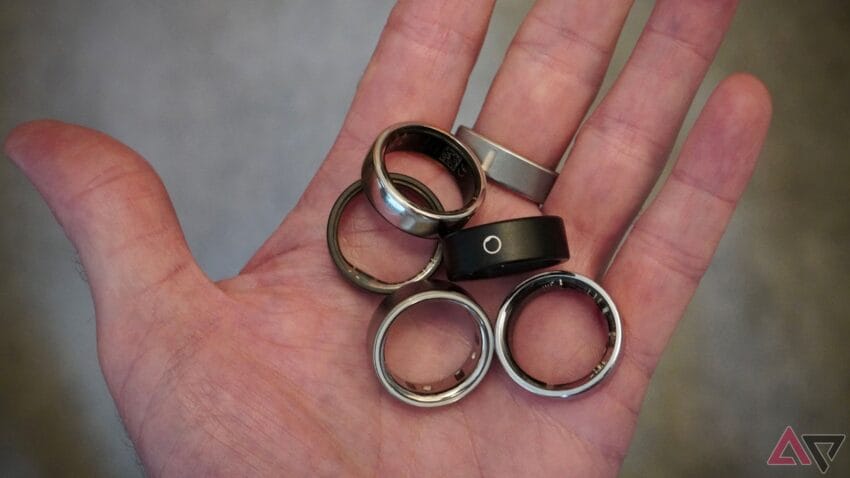
Smart rings were introduced as a compact alternative to traditional wearables like smartwatches and fitness trackers. Their design allows for discreet monitoring of various health metrics, including heart rate, sleep patterns, and activity levels. Unlike bulkier devices, smart rings are lightweight and can be worn comfortably throughout the day and night. This convenience has made them appealing to a broad audience, from fitness enthusiasts to tech-savvy individuals seeking to enhance their lifestyle.
Market Expectations
When smart rings first emerged, expectations were high. Companies like Oura, Motiv, and others positioned their products as essential tools for health monitoring and lifestyle management. The promise of continuous health insights, coupled with a sleek design, created a buzz that attracted significant investment and consumer interest. However, the recent wave of issues has raised doubts about the reliability and functionality of these devices.
Current Controversies
In the past week, nearly every major brand in the smart ring market has been embroiled in some form of controversy. These issues range from technical malfunctions to customer dissatisfaction, and they have collectively tarnished the reputation of smart rings as a reliable health tracking solution.
Technical Malfunctions
One of the most pressing concerns involves technical malfunctions that have plagued various models. Users have reported inconsistent readings, connectivity issues, and battery problems. For instance, the Oura Ring, which has been one of the most popular smart rings on the market, faced backlash after users noted that the device often failed to sync with its companion app, leading to inaccurate health data. Such discrepancies can undermine the very purpose of health tracking devices, which is to provide users with reliable information about their well-being.
Privacy and Data Security
Another significant issue is the growing concern over privacy and data security. As smart rings collect sensitive health data, users are increasingly wary of how this information is stored and used. Reports have surfaced regarding inadequate data protection measures, raising alarms about potential breaches. Consumers are understandably hesitant to invest in devices that may compromise their personal information. The lack of transparency regarding data handling practices has further fueled skepticism among potential buyers.
Customer Support Challenges
Customer support has also emerged as a critical pain point for many smart ring manufacturers. Users have expressed frustration over slow response times and inadequate assistance when issues arise. This lack of support can lead to a negative user experience, further discouraging potential customers from purchasing smart rings. The combination of technical issues and poor customer service has created a perfect storm, leading to a decline in consumer confidence.
Stakeholder Reactions
Reactions from stakeholders in the tech and health industries have been mixed. Some industry experts argue that the current setbacks are merely growing pains for a nascent technology. They believe that as manufacturers refine their products and address existing issues, smart rings will regain their footing in the market. Others, however, are less optimistic, suggesting that the recent controversies may have long-term implications for consumer trust.
Consumer Sentiment
Consumer sentiment has shifted dramatically in light of these recent developments. Many early adopters who once championed smart rings are now voicing their concerns on social media and consumer review platforms. The once enthusiastic community has become increasingly vocal about their dissatisfaction, which could deter new customers from entering the market. The negative feedback loop created by these issues has the potential to stifle innovation and growth in the smart ring segment.
Manufacturer Responses
In response to the mounting criticism, several manufacturers have issued statements acknowledging the issues and outlining their plans for improvement. For example, Oura has promised to enhance its app’s functionality and improve customer support services. However, these assurances may not be enough to quell consumer concerns, especially if the problems persist. The effectiveness of these measures will ultimately determine whether manufacturers can regain consumer trust.
The Future of Smart Rings
Despite the current challenges, the future of smart rings is not entirely bleak. The technology behind these devices continues to evolve, and there remains a dedicated market for health and lifestyle tracking solutions. As manufacturers work to address existing issues, there is potential for smart rings to regain their status as a desirable wearable technology.
Technological Advancements
Future advancements in technology could play a pivotal role in revitalizing the smart ring market. Innovations in sensor technology, battery life, and data analytics could lead to more accurate and reliable devices. Additionally, improvements in data security protocols could help alleviate consumer concerns about privacy. As manufacturers invest in research and development, the potential for enhanced functionality and user experience may attract a new wave of consumers.
Market Trends
The broader trends in the wearable technology market also indicate a growing interest in health and wellness solutions. As consumers become more health-conscious, the demand for devices that provide actionable insights into personal well-being is likely to increase. Smart rings, with their compact design and health monitoring capabilities, could capitalize on this trend if manufacturers can address the current issues effectively.
Conclusion
The current controversies and setbacks facing smart rings highlight the challenges that come with emerging technologies. While the potential for these devices remains significant, the recent wave of technical malfunctions, privacy concerns, and customer service issues has created a challenging environment for manufacturers. The future of smart rings will depend on their ability to innovate, regain consumer trust, and adapt to the evolving landscape of wearable technology. As the industry navigates these challenges, it will be crucial for manufacturers to prioritize transparency, reliability, and customer support to ensure the long-term success of smart rings in the market.
Source: Original report
Further reading: related insights.
Further reading: related insights.
Further reading: related insights.
Was this helpful?
Explore more: More Consumer Technology Tech News Blog
Last Modified: July 15, 2026 at 9:36 am
39 views