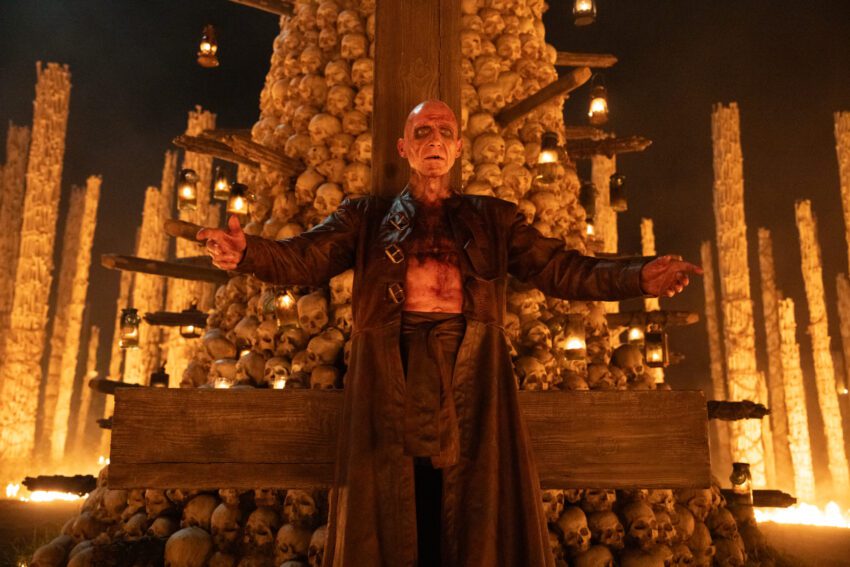
the bone temple turns 28 years later The latest installment in the acclaimed zombie horror franchise, 28 Years Later: The Bone Temple, redefines the genre by intertwining themes of faith and survival.
the bone temple turns 28 years later
Background of the Franchise
The 28 Days Later series has garnered a significant following since its inception in 2002. Directed by Danny Boyle, the original film introduced audiences to a post-apocalyptic world ravaged by a virus that turns humans into rage-fueled zombies. Its innovative storytelling and gripping visuals set a new standard for the horror genre, blending social commentary with visceral thrills. The sequel, 28 Weeks Later, released in 2007, continued the narrative, exploring the aftermath of the initial outbreak and the complexities of human behavior in crisis situations.
After a long hiatus, the announcement of 28 Years Later was met with excitement and skepticism. The gap between the second and third films raised questions about the direction of the franchise and whether it could capture the same intensity that characterized its predecessors. With the original creators, Alex Garland and Danny Boyle, returning to helm the project, anticipation grew for what this new chapter would bring.
New Direction with Nia DaCosta
In a surprising move, Sony Pictures appointed Nia DaCosta as the director for 28 Years Later: The Bone Temple. DaCosta, known for her work on Candyman and her unique storytelling style, brings a fresh perspective to the franchise. This choice indicates a desire to infuse the series with a different kind of energy, one that diverges from Boyle’s established directorial voice.
DaCosta’s vision for the film is evident in its thematic depth. While the previous films focused heavily on the horror of the outbreak and the ensuing chaos, The Bone Temple delves into the psychological and spiritual ramifications of living in a world where faith is tested. The film explores how individuals cope with despair and uncertainty, raising questions about belief systems and the human condition in the face of overwhelming odds.
Plot Overview
28 Years Later: The Bone Temple picks up decades after the events of 28 Weeks Later. The world is still grappling with the aftermath of the viral outbreak, and society has attempted to rebuild amidst the ruins. However, the remnants of humanity are not just fighting against the infected; they are also battling their own inner demons and the moral dilemmas that arise in a fractured world.
The story centers on a group of survivors who stumble upon an ancient temple, a place that becomes a focal point for their struggles and revelations. The temple, steeped in history and mystery, serves as a metaphor for faith and the search for meaning in a chaotic existence. As the characters navigate their fears and desires, they encounter both external threats and internal conflicts that challenge their beliefs.
Thematic Exploration
One of the most compelling aspects of The Bone Temple is its exploration of faith. In a world where traditional structures of belief have crumbled, the characters are forced to confront their understanding of spirituality and morality. The film poses critical questions: What do we believe in when everything we once held dear has been stripped away? How do we find hope in a seemingly hopeless situation?
The temple itself becomes a character in its own right, representing the complexities of faith. It is a place of refuge for some, while for others, it symbolizes the futility of searching for answers in a world devoid of certainty. This duality adds layers to the narrative, inviting viewers to reflect on their beliefs and the nature of faith in times of crisis.
Character Development
The characters in The Bone Temple are richly developed, each embodying different facets of the human experience. The ensemble cast showcases a diverse range of backgrounds and perspectives, enhancing the film’s exploration of faith and survival. As they grapple with their circumstances, their individual journeys intersect, leading to moments of profound revelation and connection.
One character, a former religious leader, struggles with the loss of faith in the wake of the outbreak. His journey reflects the internal conflict many face when confronted with tragedy and despair. Another character, a scientist, represents the quest for rationality and understanding amidst chaos. Their interactions highlight the tension between faith and reason, a central theme that resonates throughout the film.
Visual and Auditory Elements
Visually, The Bone Temple is a departure from its predecessors, with DaCosta employing a distinct aesthetic that enhances the film’s thematic depth. The cinematography captures the desolation of the post-apocalyptic landscape while also highlighting the beauty of the ancient temple. The contrast between the harsh realities of the outside world and the serene yet eerie atmosphere of the temple creates a compelling visual narrative.
Additionally, the film’s sound design plays a crucial role in building tension and atmosphere. The score, composed by a collaboration of artists, blends haunting melodies with dissonant sounds, reflecting the characters’ emotional turmoil. This auditory experience immerses viewers in the film’s world, heightening the sense of dread and uncertainty.
Critical Reception and Implications
Upon its release, 28 Years Later: The Bone Temple received a mixed but generally positive response from critics and audiences alike. Many praised DaCosta’s fresh approach to the franchise, highlighting the film’s thematic depth and character development. The exploration of faith and morality in a post-apocalyptic setting resonated with viewers, prompting discussions about the nature of belief in contemporary society.
However, some critics noted that the film’s pacing could be uneven at times, with certain segments feeling drawn out. This critique reflects the challenge of balancing character-driven storytelling with the inherent tension of a horror film. Despite these concerns, the overall reception indicates that DaCosta’s vision has successfully revitalized the franchise, paving the way for future installments.
Future of the Franchise
The success of The Bone Temple has sparked discussions about the future of the 28 Days Later franchise. With plans for a trilogy in place, fans are eager to see how the narrative will evolve and what new themes will be explored. The potential for further character development and deeper explorations of faith and morality presents exciting opportunities for the series.
Moreover, the collaboration between established creators like Boyle and Garland and emerging talent like DaCosta suggests a commitment to innovation within the franchise. This dynamic could lead to a rich tapestry of storytelling that continues to challenge and engage audiences.
Conclusion
28 Years Later: The Bone Temple stands as a significant entry in the horror genre, merging traditional elements of the zombie apocalypse with profound explorations of faith and survival. Nia DaCosta’s directorial vision breathes new life into the franchise, inviting viewers to reflect on their beliefs in a world fraught with uncertainty. As the series moves forward, it holds the potential to delve even deeper into the complexities of the human experience, ensuring its place in the pantheon of modern horror.
Source: Original report
Was this helpful?
Explore more: More Gaming Tech News Blog
Last Modified: January 14, 2026 at 4:40 am
17 views