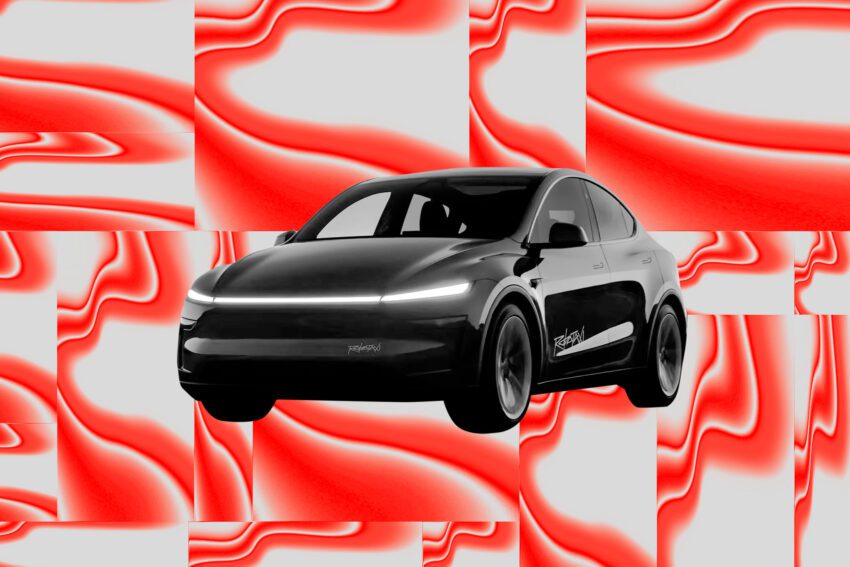
tesla won t use the term autopilot Tesla has decided to discontinue the use of the term “Autopilot” to describe its vehicles’ self-driving capabilities in California, a move aimed at avoiding a potential 30-day sales suspension in the state.
tesla won t use the term autopilot
Background of the Decision
This decision comes in the wake of scrutiny from the California Department of Motor Vehicles (DMV), which found that Tesla’s marketing practices were misleading consumers regarding the level of autonomy its vehicles actually possess. In December, the DMV issued a complaint against Tesla, asserting that the company’s promotional materials suggested that its cars could operate without human intervention, which is not the case.
Understanding Autopilot and Its Features
Tesla’s Autopilot is an advanced driver assistance system (ADAS) that offers features such as adaptive cruise control, lane centering, and traffic-aware cruise control. While these features provide significant assistance to drivers, they do not equate to full self-driving capabilities. The distinction is crucial, especially in light of the increasing public interest in autonomous vehicles.
In May 2021, Tesla began to revise its marketing materials to clarify the capabilities of its Autopilot system. This included appending the term “(Supervised)” to its descriptions, indicating that human oversight is required while using the system. Despite these changes, the DMV found that the overall messaging still led consumers to believe that the vehicles could operate autonomously.
The DMV’s Findings
The DMV’s investigation revealed that Tesla’s marketing could mislead consumers into thinking that their vehicles were capable of full autonomy. The agency’s concerns were not just about the terminology used but also about the implications of such marketing on public safety. The DMV emphasized that consumers must have a clear understanding of the limitations of driver assistance systems to make informed decisions.
Legal and Regulatory Implications
The decision to stop using the term “Autopilot” is significant not only for Tesla but also for the broader automotive industry. The regulatory landscape surrounding autonomous vehicles is still evolving, and companies must navigate a complex web of state and federal regulations. Misleading marketing practices can lead to legal repercussions, including fines and sales suspensions, as seen in this case.
By taking corrective action, Tesla aims to align its marketing with regulatory expectations and avoid further scrutiny. The company’s willingness to adapt its terminology reflects an understanding of the importance of compliance in a highly regulated environment.
Stakeholder Reactions
The response to Tesla’s decision has been mixed among stakeholders, including consumers, industry experts, and regulatory bodies. Some consumers have expressed relief, believing that the change will lead to clearer communication about the capabilities and limitations of Tesla’s vehicles. Others, however, feel that the term “Autopilot” had already created unrealistic expectations about the technology.
Consumer Perspectives
For many consumers, the allure of Tesla’s self-driving capabilities has been a significant factor in their purchasing decisions. The name “Autopilot” evokes images of fully autonomous vehicles, which may not accurately reflect the current state of the technology. As a result, some consumers have reported feeling misled when they realized that they still needed to remain attentive while using the system.
With the removal of the term “Autopilot,” consumers may find it easier to understand that they are still responsible for the vehicle’s operation. This clarity could lead to safer driving practices and a more realistic perception of what driver assistance technologies can achieve.
Industry Expert Opinions
Industry experts have weighed in on Tesla’s decision, noting that it represents a crucial step in addressing consumer confusion. Many believe that clearer terminology will benefit not only Tesla but also other manufacturers developing similar technologies. As the market for autonomous vehicles continues to grow, establishing a common language around these technologies will be essential for consumer education.
Experts also caution that while the change is positive, it is only one part of a larger conversation about the future of autonomous driving. As companies invest in developing fully autonomous vehicles, the need for transparent communication will become even more critical.
The Future of Tesla’s Marketing
Looking ahead, Tesla’s marketing strategy will likely undergo further changes as the company continues to navigate regulatory challenges and consumer expectations. The removal of the term “Autopilot” is just one example of how the company is adapting to the evolving landscape of autonomous vehicle technology.
Potential for New Terminology
As Tesla moves away from the term “Autopilot,” it may seek to adopt new terminology that more accurately reflects the capabilities of its vehicles. This could involve emphasizing the role of human oversight in the driving process or highlighting specific features of its ADAS. The challenge will be to create a brand identity that resonates with consumers while remaining compliant with regulatory standards.
Impact on Consumer Trust
Building consumer trust is paramount for Tesla, especially as it faces increasing competition in the electric vehicle market. By addressing the concerns raised by the DMV and taking steps to clarify its marketing, Tesla may enhance its reputation as a responsible manufacturer committed to consumer safety. This could lead to increased customer loyalty and a stronger market position in the long run.
Conclusion
Tesla’s decision to stop using the term “Autopilot” in California marks a significant shift in the company’s approach to marketing its self-driving capabilities. By responding to regulatory concerns and prioritizing clear communication, Tesla aims to foster a better understanding of its technology among consumers. As the automotive industry continues to evolve, the implications of this decision will likely resonate beyond California, influencing how other manufacturers present their autonomous features.
As Tesla navigates this complex landscape, the focus will remain on ensuring that consumers are well-informed about the capabilities and limitations of driver assistance systems. The ongoing dialogue between manufacturers, regulators, and consumers will play a crucial role in shaping the future of autonomous driving technology.
Source: Original report
Was this helpful?
Explore more: More Big Tech & Platforms Tech News Blog
Last Modified: February 18, 2026 at 4:36 pm
13 views