tesla driver faces manslaughter charges over texas A Tesla driver has been charged with manslaughter following a tragic incident in Texas where a woman was killed inside her home.
tesla driver faces manslaughter charges over texas
Incident Overview
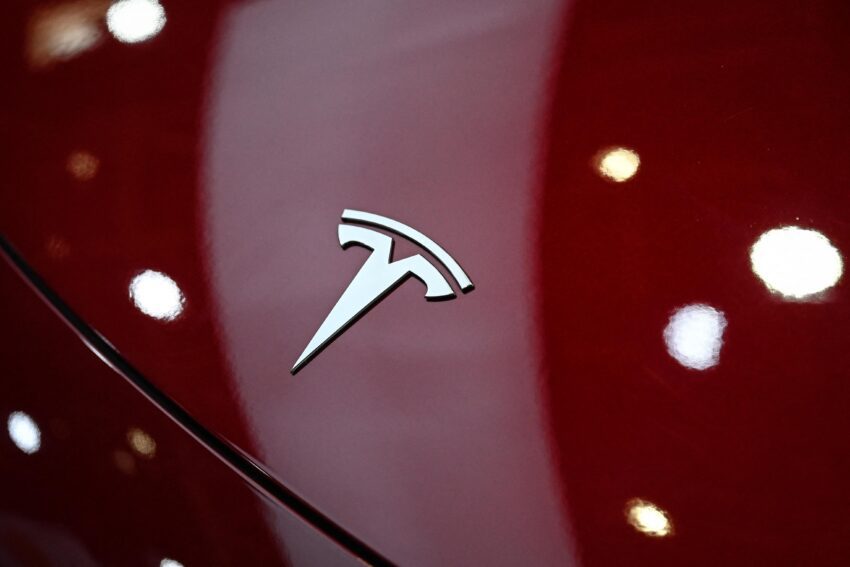
On a fateful day last month, a Tesla Model 3, driven by 44-year-old Michael Butler, crashed into a residence in Katy, Texas, resulting in the death of a woman inside. The incident has raised significant concerns about the safety of autonomous driving technologies, particularly Tesla’s Full-Self Driving (FSD) system. Butler was arrested on Wednesday, and according to an arrest affidavit, he claimed to have been using the FSD feature at the time of the accident.
Details of the Crash
The crash occurred when Butler’s Tesla veered off the road and collided with the home, fatally injuring the woman inside. The specific circumstances leading up to the crash are still under investigation, but the use of the FSD system is a central focus. The arrest affidavit indicates that data extracted from Butler’s phone revealed multiple Google searches related to Tesla’s FSD capabilities, including queries about its performance and aggressiveness.
Legal Implications
The manslaughter charges against Butler highlight the legal complexities surrounding autonomous vehicles. As self-driving technology becomes more prevalent, questions arise about liability in accidents involving these vehicles. In this case, the prosecution may argue that Butler’s reliance on the FSD system contributed to the fatal outcome, raising issues of negligence and responsibility.
Understanding Tesla’s Full-Self Driving System
Tesla’s Full-Self Driving system is designed to assist drivers with various tasks, including lane changes, traffic navigation, and parking. However, it is essential to note that the system does not make the vehicle fully autonomous. Tesla has repeatedly emphasized that drivers must remain attentive and ready to take control at any moment. Despite these warnings, some users may overestimate the capabilities of the FSD system, leading to dangerous situations.
Public Perception and Concerns
The incident has sparked renewed scrutiny of Tesla’s FSD technology. Critics argue that the marketing of the system may lead consumers to believe it is more capable than it is, potentially encouraging risky behavior among drivers. The National Highway Traffic Safety Administration (NHTSA) has been investigating Tesla’s FSD system for several months, focusing on its safety and effectiveness. This investigation could have far-reaching implications for Tesla and the broader autonomous vehicle industry.
Stakeholder Reactions
Reactions to the incident have varied among stakeholders. Family members of the victim have expressed their grief and outrage, calling for accountability and stricter regulations on autonomous vehicles. Meanwhile, Tesla enthusiasts have defended the technology, arguing that the responsibility ultimately lies with the driver. This divide reflects a broader societal debate about the future of transportation and the role of automation.
The Broader Context of Autonomous Driving Technology
The rise of autonomous driving technology has been met with both excitement and trepidation. Proponents argue that self-driving vehicles could significantly reduce traffic accidents and fatalities, while critics warn of the potential dangers associated with relying on technology. The recent crash in Texas underscores the need for a balanced approach to the development and implementation of autonomous driving systems.
Regulatory Landscape
As autonomous vehicles become more common, regulatory bodies are grappling with how to ensure safety without stifling innovation. The NHTSA has been working to establish guidelines for testing and deploying autonomous vehicles, but the rapid pace of technological advancement presents challenges. Policymakers must consider how to hold manufacturers accountable while also fostering an environment conducive to innovation.
Future of Tesla’s FSD System
In light of the recent incident, Tesla may face increased pressure to enhance the safety and reliability of its FSD system. The company has been continuously updating its software, but the effectiveness of these updates in real-world scenarios remains to be seen. Stakeholders will be closely watching how Tesla responds to this tragedy and whether it leads to changes in the way the company markets its autonomous driving capabilities.
Implications for the Autonomous Vehicle Industry
The manslaughter charges against Butler could set a precedent for future cases involving autonomous vehicles. As more incidents occur, the legal framework surrounding liability and responsibility will likely evolve. Manufacturers may need to reassess how they communicate the capabilities and limitations of their technologies to consumers.
Consumer Education and Responsibility
One of the critical lessons from this incident is the importance of consumer education. As autonomous driving technology becomes more sophisticated, drivers must understand the limitations of these systems. Tesla has made efforts to educate its users, but the effectiveness of these initiatives is uncertain. Ensuring that consumers are well-informed about the capabilities and risks associated with FSD technology is crucial for preventing future tragedies.
Ethical Considerations
The ethical implications of autonomous driving technology are complex. As vehicles become more autonomous, the question of moral responsibility becomes increasingly relevant. In situations where an accident occurs, who should be held accountable? The driver, the manufacturer, or the technology itself? These questions will require careful consideration as society navigates the future of transportation.
Conclusion
The tragic incident involving Michael Butler’s Tesla and the subsequent manslaughter charges highlight the urgent need for a comprehensive approach to the regulation and implementation of autonomous driving technologies. As the industry continues to evolve, stakeholders must work together to ensure that safety remains a top priority. The lessons learned from this incident could shape the future of autonomous vehicles and their integration into our daily lives.
Source: Original report
Was this helpful?
Explore more: More Hardware & Devices Tech News Blog
Last Modified: July 3, 2026 at 9:37 am
11 views