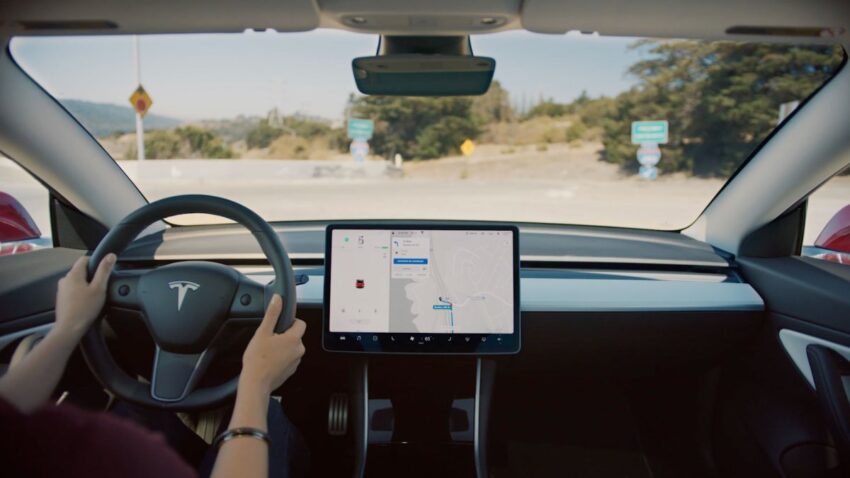
tesla discontinues autopilot in bid to boost Tesla has officially discontinued its Autopilot feature as part of a strategic move to enhance the adoption of its Full Self-Driving (FSD) software.
tesla discontinues autopilot in bid to boost
Background on Tesla’s Autopilot and Full Self-Driving Software
Tesla’s Autopilot, introduced in 2014, was marketed as a semi-autonomous driving system that could assist drivers with various tasks, such as lane-keeping and adaptive cruise control. Over the years, the feature has undergone numerous updates, evolving from basic functionalities to more advanced capabilities. However, the term “Autopilot” has often been a source of confusion and controversy, leading to questions about its actual capabilities and the extent of automation it offers.
In contrast, Tesla’s Full Self-Driving software aims to provide a more comprehensive autonomous driving experience. The FSD package includes features such as automatic lane changes, traffic light recognition, and the ability to navigate on city streets. While Tesla asserts that FSD is a step toward full autonomy, it is essential to note that the technology is still classified as Level 2 automation, meaning that drivers must remain engaged and attentive at all times.
Reasons for Discontinuing Autopilot
The decision to discontinue Autopilot comes amid increasing scrutiny over Tesla’s marketing practices and the actual performance of its driving assistance features. The company is currently facing a 30-day suspension of its manufacturing and dealer licenses in California due to allegations of deceptive marketing regarding Autopilot’s capabilities. This suspension raises significant concerns about the company’s transparency and the potential risks associated with its technology.
Regulatory Challenges
Regulatory bodies have been closely monitoring Tesla’s marketing claims, particularly regarding Autopilot. The California Department of Motor Vehicles (DMV) has expressed concerns that the company may have overstated the capabilities of its Autopilot system, leading consumers to believe that the technology is more advanced than it actually is. This situation has prompted the DMV to take action, resulting in the suspension of Tesla’s licenses.
The implications of this regulatory scrutiny are far-reaching. If Tesla is found to have engaged in deceptive marketing practices, it could face hefty fines and further restrictions on its operations. Additionally, the suspension could impact consumer trust, as potential buyers may hesitate to invest in a company that is under investigation for misleading claims.
Impact on Consumer Perception
Consumer perception of Tesla’s technology is a critical factor in the company’s success. The discontinuation of Autopilot may lead to mixed reactions among existing and potential customers. Some may view this move as a necessary step toward improving safety and transparency, while others may perceive it as a setback for a company that has long positioned itself as a leader in autonomous driving technology.
Moreover, the discontinuation could create confusion among Tesla owners who have become accustomed to the Autopilot feature. The transition to FSD may require additional education and adjustments for users, as they adapt to the new software and its functionalities.
Strategic Shift Toward Full Self-Driving
By discontinuing Autopilot, Tesla is signaling a strategic shift toward prioritizing its Full Self-Driving software. This move aligns with the company’s long-term vision of achieving full autonomy in its vehicles. Tesla CEO Elon Musk has frequently emphasized the importance of FSD as a cornerstone of the company’s future growth and innovation.
Technological Advancements
As Tesla focuses on FSD, the company is likely to invest heavily in research and development to enhance the software’s capabilities. This could involve improvements in artificial intelligence, machine learning, and sensor technology to ensure that FSD can navigate complex driving scenarios safely and efficiently.
Additionally, Tesla’s commitment to FSD may lead to the introduction of new features that further differentiate it from traditional Autopilot. For example, Tesla has been working on features like “Smart Summon,” which allows vehicles to navigate parking lots autonomously, and “City Streets,” which aims to enable FSD in urban environments. These advancements could provide a more comprehensive driving experience and reinforce Tesla’s position as a leader in the autonomous vehicle market.
Market Positioning and Competition
The discontinuation of Autopilot also has implications for Tesla’s market positioning. As the automotive industry increasingly shifts toward electrification and automation, competition is intensifying. Traditional automakers and new entrants are investing heavily in autonomous driving technologies, making it crucial for Tesla to maintain its competitive edge.
By focusing on FSD, Tesla aims to differentiate itself from competitors that may still offer semi-autonomous features similar to Autopilot. This strategic positioning could attract consumers who are looking for cutting-edge technology and a commitment to full autonomy.
Stakeholder Reactions
The reaction from stakeholders, including investors, consumers, and industry experts, has been varied. Investors may view the discontinuation of Autopilot as a bold move that could ultimately benefit Tesla’s long-term growth. However, concerns about regulatory scrutiny and consumer trust may temper enthusiasm in the short term.
Investor Sentiment
Investor sentiment is crucial for Tesla, as the company’s stock performance is often influenced by perceptions of its technological advancements and market positioning. The discontinuation of Autopilot could be seen as a necessary step to align with regulatory expectations and improve the overall safety of its vehicles. If successful, this move could bolster investor confidence in Tesla’s commitment to transparency and innovation.
Consumer Feedback
Consumer feedback will play a significant role in shaping the future of Tesla’s FSD software. Early adopters of FSD may provide valuable insights into the software’s performance and usability, influencing potential buyers’ decisions. Additionally, Tesla’s ability to address consumer concerns and improve the user experience will be critical in maintaining customer loyalty.
Future Implications for Tesla and the Automotive Industry
The discontinuation of Autopilot and the shift toward Full Self-Driving software have broader implications for Tesla and the automotive industry as a whole. As more companies invest in autonomous driving technologies, the landscape is likely to evolve rapidly.
Regulatory Landscape
The regulatory landscape surrounding autonomous driving is still developing, and Tesla’s situation may prompt other companies to reassess their marketing practices and technology claims. As regulators become more vigilant, automakers may need to prioritize transparency and safety in their communications with consumers.
Consumer Expectations
As consumers become more informed about autonomous driving technologies, their expectations will continue to evolve. The discontinuation of Autopilot may set a precedent for other companies to follow suit, as they strive to provide clearer and more accurate representations of their technologies. This shift could lead to a more informed consumer base that demands higher standards for safety and performance.
Conclusion
Tesla’s decision to discontinue Autopilot marks a significant turning point in the company’s approach to autonomous driving technology. While the move may create short-term challenges, it also presents an opportunity for Tesla to enhance its Full Self-Driving software and align with regulatory expectations. As the automotive industry continues to evolve, Tesla’s commitment to transparency and innovation will be crucial in shaping its future and maintaining its position as a leader in the market.
Source: Original report
Was this helpful?
Explore more: More Consumer Technology Tech News Blog
Last Modified: January 23, 2026 at 7:40 pm
22 views