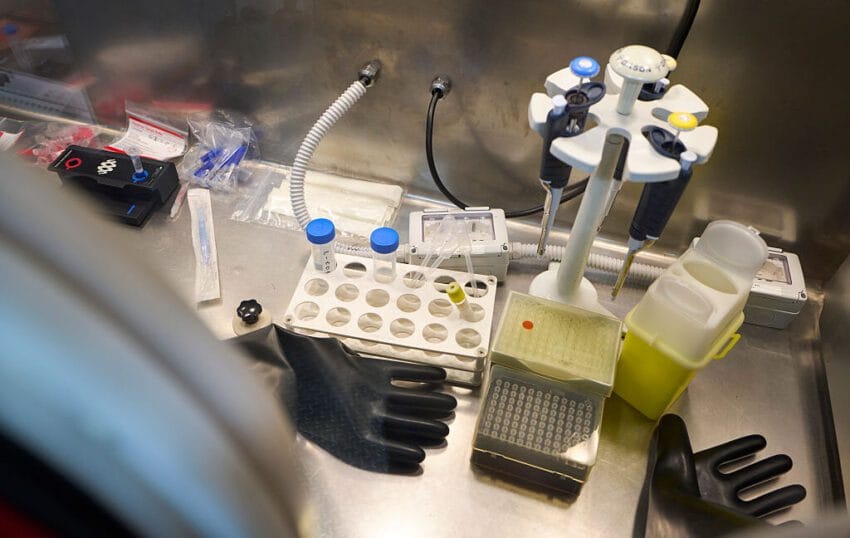
study planned budget cuts would hurt drug The proposed federal budget cuts could significantly undermine drug development, impacting biomedical research and public health.
study planned budget cuts would hurt drug
Overview of Proposed Budget Cuts
The federal budget proposal currently under consideration includes drastic reductions across various agencies that fund scientific research. Among the most alarming aspects is a proposed 40 percent cut to the National Institutes of Health (NIH), a cornerstone of biomedical research funding in the United States. This reduction could have far-reaching consequences not only for researchers but also for the pharmaceutical industry and, ultimately, public health.
The NIH plays a crucial role in supporting research that leads to the development of new drugs and therapies. A significant portion of the funding allocated by the NIH goes to grants that support innovative research projects across various fields, including cancer, infectious diseases, and rare genetic disorders. The proposed cuts threaten to dismantle years of progress in these areas, potentially stalling the development of new treatments and therapies that could save lives.
Impact on Biomedical Research
In a recent study published in the journal Science, researchers sought to quantify the potential impacts of these budget cuts on drug development. They analyzed historical data to determine how similar cuts in the past affected grant funding and, subsequently, the approval of new drugs. Their findings are sobering: approximately half of the newly approved drugs in recent years were developed with the support of NIH-funded grants that would be at risk under the proposed budget.
Historical Context
The researchers examined past instances where NIH funding was reduced, particularly during the early 2000s. They identified key grants that would have been eliminated under a 40 percent budget cut scenario. By tracking the subsequent drug patents and approvals linked to these grants, they were able to establish a direct correlation between funding levels and drug development outcomes.
This historical analysis underscores the critical role that NIH funding plays in the innovation pipeline for new drugs. The study highlights that many breakthroughs in medicine are not the result of isolated efforts but rather the cumulative effect of sustained funding for research initiatives over time.
Potential Consequences for Drug Development
The implications of reduced funding are profound. If the proposed budget cuts are enacted, researchers may face significant obstacles in securing grants for their projects. This could lead to a reduction in the number of innovative research proposals being submitted, ultimately stifling the discovery of new drugs. The pharmaceutical industry, which often relies on academic research to inform its drug development strategies, may find itself at a standstill.
Impact on Industry and Innovation
The pharmaceutical industry thrives on innovation, which is often sparked by academic research. Many pharmaceutical companies collaborate with academic institutions to translate research findings into viable drug candidates. A reduction in NIH funding could disrupt these collaborations, leading to fewer new drug candidates entering the pipeline.
Moreover, the financial burden of drug development is substantial. It is estimated that bringing a new drug to market can cost upwards of $2.6 billion, a figure that includes research and development costs, clinical trials, and regulatory approvals. If funding for early-stage research is cut, the financial risks for pharmaceutical companies may increase, discouraging them from investing in new projects.
Broader Implications for Public Health
The potential consequences of budget cuts extend beyond the pharmaceutical industry and academic research. The public health implications are significant. As funding for biomedical research diminishes, the pace of innovation in drug development may slow, leading to longer wait times for new treatments and therapies. This could particularly affect patients with chronic illnesses or rare diseases, who often rely on breakthroughs in research for new treatment options.
Stakeholder Reactions
The proposed budget cuts have elicited strong reactions from various stakeholders in the scientific and medical communities. Many researchers have expressed concerns that reduced funding will hinder their ability to conduct critical research. The American Association for the Advancement of Science (AAAS) has publicly stated that cuts to the NIH would jeopardize the nation’s health and economic well-being.
Pharmaceutical companies have also voiced their apprehensions. Industry leaders argue that a robust research funding environment is essential for fostering innovation. They warn that if the NIH is unable to support groundbreaking research, the entire drug development ecosystem could suffer, leading to fewer new therapies and higher drug prices.
Looking Ahead: The Future of Drug Development
While it remains uncertain whether the proposed budget cuts will be implemented, the potential ramifications are clear. The NIH has historically been a leader in funding biomedical research, and any significant reductions could set back years of progress. Researchers and industry leaders alike are advocating for sustained or increased funding to ensure that the United States remains at the forefront of medical innovation.
Potential Alternatives and Solutions
In light of the proposed cuts, some stakeholders are exploring alternative funding mechanisms to support biomedical research. Public-private partnerships, philanthropic contributions, and increased investment from venture capital firms could help fill the funding gaps left by reduced federal support. However, these alternatives may not fully compensate for the loss of NIH funding, particularly for high-risk, high-reward research projects that require substantial investment over extended periods.
Additionally, there is a growing call for policymakers to recognize the long-term value of investing in research. The economic benefits of a thriving biomedical research sector are substantial, with every dollar spent on NIH research estimated to generate approximately $2.50 in economic return. This perspective emphasizes the importance of viewing research funding not merely as an expense but as an investment in public health and economic growth.
Conclusion
The proposed federal budget cuts pose a significant threat to the future of drug development and biomedical research in the United States. The potential loss of funding for the NIH could stifle innovation, hinder the development of new therapies, and ultimately impact public health. As the debate over the budget unfolds, it is crucial for stakeholders to advocate for sustained investment in research to ensure that the nation continues to lead in medical advancements.
Source: Original report
Was this helpful?
Explore more: More General Technology Tech News Blog
Last Modified: September 26, 2025 at 12:36 am
10 views