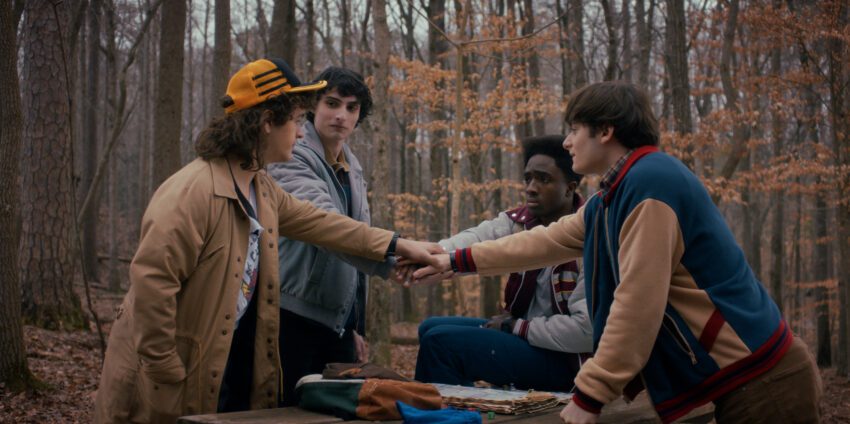
stranger things is ending and so is Netflix is set to conclude its iconic series Stranger Things, marking a significant shift in the streaming giant’s strategy regarding its reliance on tentpole shows.
stranger things is ending and so is
Stranger Things: A Cultural Phenomenon
When Stranger Things debuted on Netflix in July 2016, it quickly became a cultural touchstone, capturing the imaginations of viewers worldwide. The series, created by the Duffer Brothers, is set in the 1980s and revolves around a group of children in the fictional town of Hawkins, Indiana, as they encounter supernatural forces and secret government experiments. The blend of nostalgia, horror, and adventure resonated deeply with audiences, making it one of Netflix’s flagship titles.
Stranger Things was not just a show; it was a phenomenon that sparked conversations, inspired merchandise, and even led to themed events and experiences. The show’s success was instrumental in establishing Netflix as a dominant force in the streaming landscape, particularly during a time when traditional television was grappling with the rise of on-demand viewing.
The Rise of Tentpole Shows
In the years following the release of Stranger Things, Netflix doubled down on its investment in tentpole shows—large-scale productions designed to attract massive audiences. These shows were characterized by high production values, star-studded casts, and expansive storylines. Alongside Stranger Things, other notable tentpole projects included The Crown, The Witcher, and Bridgerton. Each of these series aimed to create significant buzz, drawing in subscribers and retaining existing ones.
Netflix’s strategy was clear: by investing in a few high-profile shows, the company could cultivate a loyal subscriber base while also appealing to a broad range of tastes. This approach allowed Netflix to differentiate itself from competitors like Hulu and Amazon Prime Video, which were still building their own libraries of original content.
Impact on Subscriber Growth
The success of tentpole shows like Stranger Things had a direct impact on Netflix’s subscriber growth. In its early years, the platform saw a surge in subscriptions, with millions of new users signing up to watch its exclusive content. The show’s ability to generate buzz and foster community discussions around its plot twists and character developments made it a must-watch for many. Netflix’s investment in such shows paid off, as evidenced by its growing subscriber base, which reached over 200 million globally by 2021.
However, as the streaming landscape became increasingly crowded, the pressure to continually deliver blockbuster content intensified. Competitors began to emerge with their own flagship series, and Netflix found itself in a race to maintain its position at the top of the streaming hierarchy.
The End of an Era
As Netflix prepares to release the fifth and final season of Stranger Things, the company is also reevaluating its approach to content creation. The conclusion of this beloved series signifies more than just the end of a story; it represents a broader shift in Netflix’s strategy regarding tentpole programming.
Changing Viewer Preferences
One of the key factors influencing Netflix’s decision to move away from tentpole shows is the evolving preferences of its audience. As viewers become more discerning, there is a growing demand for diverse and niche content. While blockbuster series can attract large audiences, they often come with high production costs and significant risks. In contrast, smaller, more intimate shows can resonate deeply with specific demographics, leading to dedicated fanbases without the same level of financial investment.
This shift in viewer preferences has prompted Netflix to explore a wider variety of genres and formats. The platform has begun to invest in limited series, documentaries, and international content that cater to diverse tastes. By diversifying its offerings, Netflix aims to capture the attention of a broader audience while mitigating the risks associated with relying solely on tentpole productions.
Financial Considerations
The financial implications of producing tentpole shows are significant. High-profile series often require substantial budgets for production, marketing, and talent. As Netflix faces increasing competition from other streaming services, the need to balance quality with cost-effectiveness has become paramount. The company has acknowledged that not every tentpole show will yield the same return on investment, leading to a more cautious approach in selecting future projects.
Moreover, as the streaming market matures, subscriber growth has begun to plateau. This has led Netflix to reassess its content strategy, focusing on sustainable growth rather than chasing after every potential blockbuster. By shifting its focus away from tentpole shows, Netflix aims to create a more balanced portfolio of content that can attract and retain subscribers over the long term.
Stakeholder Reactions
The decision to conclude Stranger Things and pivot away from tentpole programming has elicited a range of reactions from stakeholders, including fans, industry analysts, and Netflix executives.
Fan Reactions
For many fans, the end of Stranger Things is bittersweet. The series has garnered a devoted following, and its conclusion marks the end of an era for those who have grown attached to the characters and their adventures. Fans have expressed their appreciation for the show’s impact on pop culture and its ability to evoke nostalgia for the 1980s. However, there is also a sense of uncertainty about what will come next for Netflix and whether the platform can replicate the magic of Stranger Things with new content.
Industry Analysts
Industry analysts have noted that Netflix’s shift away from tentpole shows reflects broader trends in the streaming landscape. As competition intensifies, platforms must adapt to changing viewer preferences and market dynamics. Analysts suggest that Netflix’s decision to diversify its content offerings could position the company for long-term success, allowing it to cater to a wider range of audiences while reducing reliance on high-risk productions.
Netflix Executives
Netflix executives have publicly acknowledged the challenges associated with tentpole programming. In interviews, they have emphasized the importance of creating a diverse array of content that resonates with different demographics. The company has stated its commitment to exploring new genres and formats, aiming to strike a balance between blockbuster productions and smaller, more intimate stories.
The Future of Netflix
As Netflix moves forward, the conclusion of Stranger Things serves as a pivotal moment in the company’s evolution. The streaming giant is at a crossroads, navigating the complexities of a rapidly changing industry while striving to maintain its status as a leader in original content.
Exploring New Avenues
In the wake of Stranger Things, Netflix is likely to explore new avenues for content creation. The platform has already begun investing in international productions, animated series, and documentaries that cater to diverse audiences. By broadening its scope, Netflix aims to capture the attention of viewers who may have previously felt overlooked by mainstream programming.
Additionally, the company is likely to continue experimenting with different release strategies, such as weekly episode drops and limited series formats. These approaches can create a sense of anticipation and engagement among viewers, fostering community discussions and keeping audiences invested in the content.
Conclusion
The end of Stranger Things marks a significant turning point for Netflix and the streaming industry as a whole. While the series has left an indelible mark on pop culture, its conclusion signals a shift away from the tentpole model that has defined Netflix’s approach to content creation. As the company adapts to changing viewer preferences and market dynamics, it will be crucial for Netflix to strike a balance between blockbuster productions and diverse storytelling. The future of Netflix lies in its ability to innovate and respond to the evolving landscape of entertainment, ensuring that it remains a relevant and compelling platform for subscribers.
Source: Original report
Was this helpful?
Explore more: More Big Tech & Platforms Tech News Blog
Last Modified: November 25, 2025 at 9:42 pm
23 views