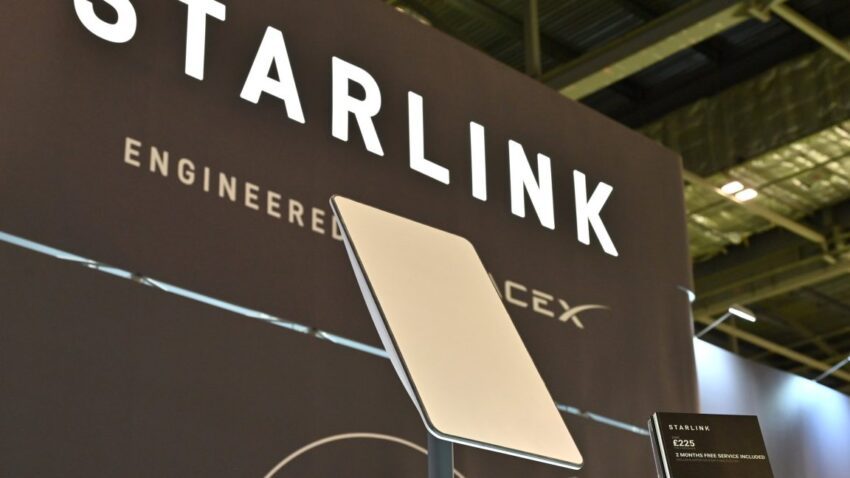
starlink charges 10 monthly hardware fee in Starlink has introduced a $10 monthly rental fee for hardware, marking a significant shift from its previous model of one-time hardware purchases.
starlink charges 10 monthly hardware fee in
Overview of the New Pricing Model
Starlink, the satellite internet service operated by SpaceX, has recently made a notable change to its pricing structure. The company has transitioned from selling hardware to customers for a one-time fee to implementing a monthly rental model. This new approach includes a $10 monthly fee for the hardware necessary to access its satellite internet service. The hardware package consists of a satellite dish, commonly referred to as a terminal, and a router that facilitates internet connectivity within a user’s home.
The residential ordering pages for Starlink now reflect this change, displaying an upfront hardware cost of $0 alongside the monthly kit fee. This pricing strategy aligns Starlink more closely with traditional cable and telecom companies, which have long charged similar rental fees for their equipment. By adopting this model, Starlink aims to make its service more accessible while also ensuring a steady revenue stream from its hardware.
Details of the Hardware and Service Offerings
What’s Included in the Hardware Package
The hardware package that Starlink provides includes essential equipment for users to connect to its satellite network. Specifically, the package consists of:
- Satellite Dish (Terminal): This device is designed to receive signals from Starlink’s satellite constellation, enabling users to access high-speed internet.
- Router: The router distributes the internet connection throughout the user’s home, allowing multiple devices to connect simultaneously.
In addition to the hardware rental fee, users are also responsible for the monthly subscription cost for internet service. Recently, Starlink has increased its internet service prices by $5 to $10 per month. The current pricing tiers for Starlink’s internet service are as follows:
- $55 per month: This plan offers speeds of up to 100 Mbps.
- $85 per month: This plan provides speeds of up to 200 Mbps.
- $130 per month: The “Max” tier allows for speeds up to 400 Mbps.
Installation Options
Starlink also offers professional installation services for users who prefer assistance in setting up their hardware. This service is available for a one-time fee of $199. However, customers who subscribe to the Max plan can have the installation performed at no additional charge. This flexibility in installation options caters to a range of customer preferences, from those who are comfortable with DIY setups to those who prefer professional assistance.
Implications of the New Rental Model
This shift to a rental model has several implications for both Starlink and its customers. For Starlink, the move could lead to increased revenue stability and predictability. By charging a monthly fee for hardware, the company can ensure a continuous income stream, which may be particularly beneficial as it continues to expand its satellite network and improve service quality.
For customers, the new pricing structure may lower the initial barrier to entry for accessing Starlink’s services. With no upfront hardware cost, users can begin using the service without a significant financial commitment. This could make Starlink more appealing to a broader audience, particularly in areas where traditional internet service options are limited or unreliable.
Stakeholder Reactions
The response to Starlink’s new pricing model has been mixed among stakeholders. Some customers appreciate the reduced upfront cost, viewing it as a more accessible option for obtaining high-speed internet. Others, however, express concerns about the long-term financial implications of a monthly rental fee. Critics argue that while the initial cost may be lower, the cumulative expense over time could exceed the cost of purchasing the hardware outright.
Industry analysts have also weighed in on the implications of this shift. Some believe that Starlink’s move to a rental model could signal a broader trend within the telecommunications industry, where companies increasingly seek to create recurring revenue streams. This could lead to more companies adopting similar pricing strategies, further blurring the lines between traditional internet service providers and newer entrants like Starlink.
Comparative Analysis with Traditional ISPs
Starlink’s new pricing model invites comparison with traditional internet service providers (ISPs). Many ISPs have long utilized rental fees for equipment, often bundling these costs into monthly service charges. This practice has been a point of contention for consumers, who may feel they are paying for equipment they could have purchased outright.
Starlink’s approach, while similar, differs in several key aspects:
- Accessibility: Starlink’s service is designed to reach rural and underserved areas where traditional ISPs may not operate. This focus on accessibility sets it apart from many traditional providers.
- Speed and Technology: Starlink utilizes a constellation of low Earth orbit satellites, allowing for potentially lower latency and higher speeds compared to traditional satellite internet services.
- Flexibility: The option for professional installation at no additional charge for certain plans may appeal to customers who prefer a hassle-free setup experience.
Future Considerations
As Starlink continues to evolve its pricing and service offerings, several factors will likely influence its trajectory:
- Market Competition: The competitive landscape for internet services is rapidly changing, with new players entering the market and existing providers upgrading their offerings. Starlink will need to remain agile to maintain its market position.
- Technological Advancements: Ongoing improvements in satellite technology and network infrastructure will be crucial for enhancing service quality and customer satisfaction.
- Regulatory Environment: As Starlink expands its operations, it will need to navigate various regulatory challenges, particularly in different countries and regions.
Conclusion
Starlink’s introduction of a $10 monthly rental fee for hardware marks a significant shift in its business model, aligning it more closely with traditional cable and telecom companies. While this change may lower the initial cost barrier for customers, it raises questions about the long-term financial implications of a rental model. As the company continues to navigate a competitive landscape and expand its service offerings, stakeholders will be closely monitoring its impact on the market and customer satisfaction.
Source: Original report
Was this helpful?
Explore more: DevOps Services More Cloud & DevOps Tech News
Last Modified: June 10, 2026 at 3:35 pm
23 views