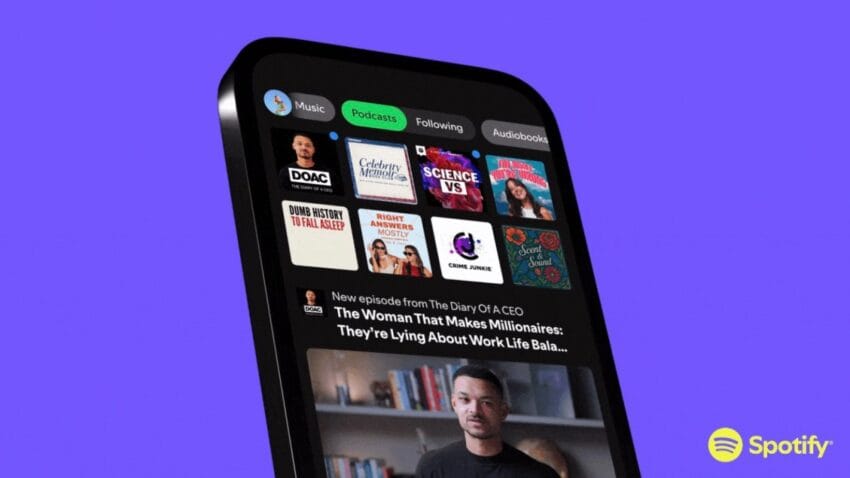
spotify now has half a million video Spotify has announced a significant milestone with the introduction of half a million video podcasts, a development that has attracted nearly 400 million viewers globally.
spotify now has half a million video
Spotify’s Growing Video Podcast Landscape
Spotify, the leading audio streaming platform, has made substantial strides in the realm of video content, particularly through its podcast offerings. The company’s recent announcement highlights that it now hosts over 500,000 video podcasts, a figure that underscores its commitment to diversifying content and enhancing user engagement. This growth is not merely quantitative; it reflects a broader trend in how consumers are consuming media in the digital age.
Doubling User Engagement
According to Spotify, the time users spend engaging with video content on the platform has more than doubled year-over-year. This surge is largely attributed to the increasing popularity of video podcasts, which combine the traditional podcast format with visual elements. The integration of video into podcasts has proven to be a game-changer, allowing creators to connect with their audiences on a more personal level.
Video podcasts offer a unique viewing experience, blending audio storytelling with visual cues that enhance the narrative. This format allows for greater creativity and expression, enabling hosts to showcase their personalities and engage with viewers in ways that audio alone cannot achieve. As a result, audiences are more likely to invest their time in these video formats, leading to increased watch times and overall engagement.
The Rise of Video Podcasts
The rise of video podcasts can be attributed to several factors, including advancements in technology, changing consumer preferences, and the growing availability of high-speed internet. With the proliferation of smartphones and tablets, users have more access to video content than ever before. This accessibility has encouraged creators to experiment with video formats, leading to a diverse array of content that appeals to various demographics.
Technological Advancements
Technological advancements have played a crucial role in the rise of video podcasts. High-definition cameras, affordable editing software, and user-friendly streaming platforms have made it easier for creators to produce high-quality video content. Additionally, social media platforms have provided a space for creators to promote their video podcasts, further amplifying their reach.
Moreover, the integration of video podcasts into existing platforms like Spotify allows creators to tap into established audiences. This synergy between audio and video content has fostered a more holistic media consumption experience, encouraging users to explore different types of content within a single platform.
Changing Consumer Preferences
Consumer preferences have also shifted significantly in recent years. As audiences become more accustomed to consuming video content on platforms like YouTube and TikTok, they are increasingly seeking similar experiences in podcasting. This shift has prompted creators to adapt their content strategies, incorporating visual elements to meet audience expectations.
Furthermore, the COVID-19 pandemic accelerated this trend, as more people turned to digital content for entertainment and information during lockdowns. Video podcasts became a popular choice for audiences seeking engaging content that could be consumed at home. This shift has had lasting implications, as many consumers have continued to prefer video formats even as restrictions have eased.
Implications for Content Creators
The expansion of video podcasts presents both opportunities and challenges for content creators. On one hand, the ability to reach a broader audience through video can lead to increased visibility and engagement. Creators can leverage the visual aspect to enhance storytelling, create more dynamic content, and build a stronger connection with their audience.
Opportunities for Monetization
Additionally, the rise of video podcasts opens new avenues for monetization. Creators can explore various revenue streams, including sponsorships, merchandise sales, and subscription models. As audiences become more invested in video content, advertisers are likely to follow suit, leading to increased opportunities for creators to partner with brands.
Spotify’s investment in video podcasts also signals a shift in how platforms view content monetization. By providing creators with the tools and resources needed to produce high-quality video content, Spotify is positioning itself as a leader in the podcasting space. This focus on video could attract more creators to the platform, further enriching its content library.
Challenges in Production
However, the transition to video podcasting is not without its challenges. Producing high-quality video content requires additional resources, including equipment, editing skills, and time. For many creators, especially those who have traditionally focused on audio-only formats, this shift may necessitate a steep learning curve.
Moreover, the competition in the video podcasting space is intensifying. As more creators enter the market, standing out becomes increasingly difficult. Creators must not only produce engaging content but also invest in marketing and promotion to attract viewers. This competitive landscape can be daunting, particularly for independent creators who may lack the resources of larger production companies.
Spotify’s Strategic Positioning
Spotify’s move to embrace video podcasts aligns with its broader strategy to dominate the podcasting market. The company has invested heavily in exclusive content, acquiring popular shows and signing high-profile creators to its platform. By integrating video into its podcast offerings, Spotify is enhancing its value proposition for both creators and listeners.
Enhancing User Experience
The addition of video podcasts enriches the user experience on Spotify, allowing listeners to choose how they want to consume content. Users can switch between audio and video formats based on their preferences and circumstances, providing flexibility in how they engage with their favorite shows. This versatility is particularly appealing in today’s fast-paced world, where multitasking is common.
Moreover, Spotify’s algorithm can leverage user data to recommend video podcasts tailored to individual preferences. This personalized approach enhances user engagement and encourages exploration of new content, ultimately driving more time spent on the platform.
Competitive Landscape
Spotify’s expansion into video podcasts also positions it against competitors like Apple Podcasts and YouTube. While Apple has a robust podcasting platform, it has yet to fully embrace video content in the same way Spotify has. YouTube, on the other hand, has long been a dominant player in the video space, but Spotify’s focus on audio-first content gives it a unique edge.
As Spotify continues to grow its video podcast library, it may attract creators who are looking for a platform that prioritizes audio while also offering video capabilities. This dual focus could differentiate Spotify from its competitors and solidify its position as a leader in the podcasting industry.
Future Outlook
Looking ahead, the future of video podcasts appears promising. As technology continues to evolve and consumer preferences shift, the demand for video content is likely to grow. Spotify’s proactive approach in this space positions it well to capitalize on these trends, potentially leading to further growth in user engagement and content offerings.
Moreover, as more creators embrace video podcasts, the diversity of content is expected to expand. This growth will likely lead to new genres and formats, enriching the podcasting landscape and attracting a wider audience. The potential for innovation in video podcasting is vast, and Spotify is well-positioned to be at the forefront of this evolution.
Conclusion
Spotify’s announcement of half a million video podcasts and the doubling of user engagement underscores a significant shift in the podcasting landscape. As the platform continues to invest in video content, it is not only enhancing the user experience but also setting the stage for the future of podcasting. With opportunities for creators and a growing audience, the rise of video podcasts on Spotify marks a pivotal moment in the evolution of digital media.
Source: Original report
Was this helpful?
Explore more: More Consumer Technology Tech News Blog
Last Modified: November 4, 2025 at 9:40 pm
10 views