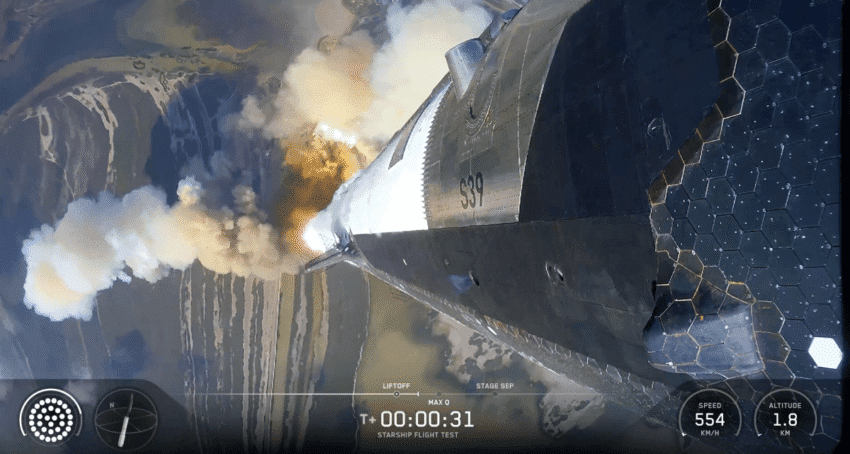
spacex launches starship v3 for the first SpaceX has successfully launched its upgraded Starship V3 for the first time, marking a significant milestone in its ongoing efforts to revolutionize space travel, despite losing the booster during its return.
spacex launches starship v3 for the first
Overview of the Launch
On May 22, 2026, SpaceX conducted the inaugural launch of its Starship V3, an upgraded version of its ambitious spacecraft designed for deep space missions. This launch is a crucial step for SpaceX as it aims to fulfill its long-term objectives, including missions to Mars and beyond. The launch took place from SpaceX’s facility in Boca Chica, Texas, and was closely watched by space enthusiasts and industry experts alike.
Launch Details
The Starship V3 lifted off at approximately 10:00 AM CDT, showcasing several enhancements over its predecessors. The vehicle is designed to carry larger payloads and is equipped with improved engines for better performance. The launch was part of a series of test flights intended to validate the spacecraft’s capabilities and reliability.
Initial Successes
Despite the eventual loss of the booster, the initial phases of the flight were deemed successful. The Starship V3 reached its designated altitude and completed several key maneuvers, demonstrating the effectiveness of its upgraded systems. The flight lasted approximately 90 minutes, during which the spacecraft executed a series of planned tests, including engine burns and trajectory adjustments.
Significance of Starship V3
The Starship V3 is not just another iteration of SpaceX’s spacecraft; it represents a significant leap forward in the company’s capabilities. With its enhanced design, the Starship V3 is expected to play a pivotal role in various upcoming missions, including:
- Mars Colonization: SpaceX has long set its sights on Mars, and the Starship V3 is integral to its plans for establishing a human presence on the Red Planet.
- Lunar Missions: The spacecraft is also a key component of NASA’s Artemis program, which aims to return humans to the Moon by the mid-2020s.
- Satellite Deployment: The increased payload capacity will allow SpaceX to deploy larger satellite constellations, enhancing global internet coverage through its Starlink project.
Technical Innovations
The Starship V3 incorporates several technical innovations that set it apart from earlier models. These innovations are crucial for achieving the ambitious goals set forth by SpaceX.
Engine Improvements
One of the most notable upgrades in the Starship V3 is its engine configuration. The spacecraft is powered by Raptor engines, which have been optimized for improved efficiency and thrust. This enhancement allows the Starship V3 to carry heavier payloads and achieve higher altitudes than its predecessors.
Structural Enhancements
The vehicle’s structure has also been reinforced to withstand the stresses of launch and re-entry. The use of advanced materials ensures that the Starship V3 can endure the harsh conditions of space travel, making it more reliable for future missions.
Challenges Faced During the Launch
While the launch of Starship V3 was largely successful, it was not without its challenges. The loss of the booster during its return phase raised questions about the reliability of the recovery system.
Booster Recovery System
The booster, which is designed to return to Earth for reuse, encountered difficulties during its descent. SpaceX has emphasized the importance of reusability in its business model, and the loss of the booster could impact future missions. The company is expected to conduct a thorough investigation to understand the failure and implement necessary improvements.
Stakeholder Reactions
The reaction from stakeholders has been mixed. While many in the aerospace community praised the successful launch and the advancements made with the Starship V3, concerns were raised regarding the booster loss. Industry experts noted that while setbacks are common in aerospace testing, the ability to learn from these failures is crucial for future success.
Future Implications
The launch of the Starship V3 has significant implications for SpaceX and the broader aerospace industry. As the company continues to refine its technology, the potential for commercial space travel and exploration increases.
Commercial Space Travel
SpaceX’s advancements with the Starship V3 could pave the way for commercial space travel. The company has already announced plans for private missions to the Moon and Mars, and successful testing of the Starship V3 will be a key factor in attracting commercial partners.
International Collaboration
As SpaceX continues to push the boundaries of space exploration, international collaboration may become increasingly important. The success of the Starship V3 could lead to partnerships with other space agencies and private companies, enhancing global efforts in space research and exploration.
Conclusion
The inaugural launch of SpaceX’s Starship V3 marks a significant milestone in the company’s journey toward revolutionizing space travel. While the loss of the booster during its return phase presents challenges, the successful flight demonstrates the potential of the upgraded spacecraft. As SpaceX moves forward, the lessons learned from this launch will be invaluable in shaping the future of space exploration.
Source: Original report
Was this helpful?
Explore more: DevOps Services More Cloud & DevOps Tech News
Last Modified: May 23, 2026 at 7:40 am
14 views