sony is slowly improving the ergonomics of Sony’s recent advancements in camera ergonomics have garnered attention, yet many users feel these improvements fall short of expectations.
sony is slowly improving the ergonomics of
Introduction to Sony’s Ergonomic Evolution
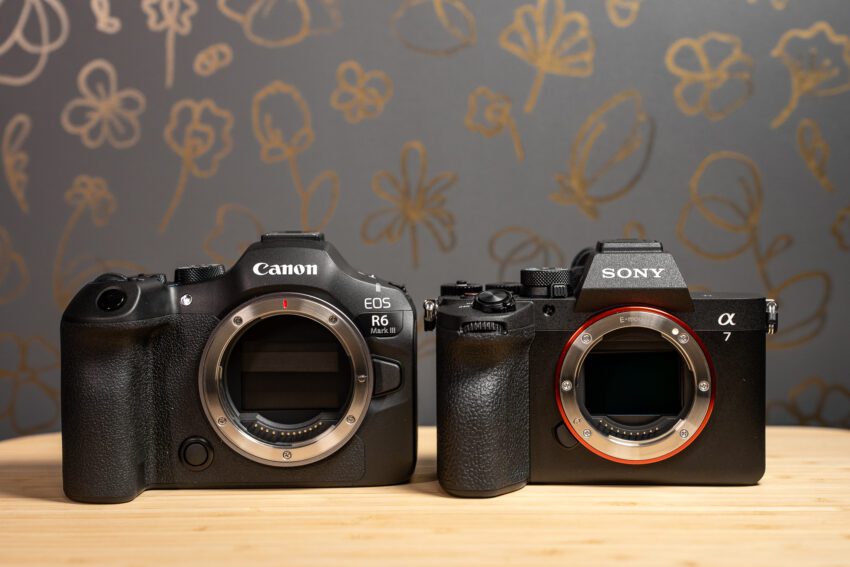
In the competitive landscape of mirrorless cameras, ergonomics plays a crucial role in user experience, particularly for professionals who rely on their gear for extended periods. Sony’s latest offering, the A7 V, has sparked discussions about its ergonomic design, especially when compared to rival models like Canon’s EOS R6 Mark III. While the A7 V is slightly smaller, it does not translate to a more comfortable grip, raising questions about Sony’s commitment to ergonomic enhancements.
The A7 V and Its Ergonomic Features
The Sony A7 V, announced recently, was touted for its ergonomic improvements. This excitement was not limited to the A7 V; earlier models such as the A9 III and A1 II also featured redesigned grips aimed at enhancing comfort. The A9 III, for instance, was a significant upgrade for many photographers, including myself, who transitioned from the A9 II to accommodate the demands of wedding photography. However, despite initial optimism, the ergonomic enhancements have not met the expectations set by both users and industry experts.
Initial Impressions of the A7 V
Upon first handling the A7 V, the anticipation of improved ergonomics quickly turned into disappointment. The grip design, while slightly taller and more rounded than previous models, still lacks the comfort needed for prolonged use. This is particularly concerning for professionals who may spend hours capturing images at events or on location. The grip feels less accommodating, which can lead to fatigue and discomfort during extended shooting sessions.
Comparative Analysis with Competitors
When comparing the A7 V to Canon’s EOS R6 Mark III, the differences in ergonomics become even more pronounced. Canon has made significant strides in grip design, focusing on user comfort and accessibility. The R6 Mark III’s grip is designed to fit comfortably in the hand, allowing for a more natural shooting position. This is a critical factor for photographers who often switch between different lenses and shooting styles.
Ergonomics Beyond the Grip
While grip design is a focal point, ergonomics encompass more than just how a camera feels in the hand. Button placement, menu navigation, and overall weight distribution are equally important. Sony’s A7 V, despite its ergonomic claims, still struggles with button placement that can feel awkward during use. Photographers often find themselves fumbling with controls, which can detract from the shooting experience.
Feedback from Professional Users
Many professional photographers have voiced their concerns regarding Sony’s ergonomic designs. The feedback often highlights a common theme: while the aesthetics of the cameras are appealing, the functionality and comfort leave much to be desired. For instance, a wedding photographer may need to quickly adjust settings while capturing fleeting moments, and an uncomfortable grip can hinder that responsiveness.
Personal Experiences with Sony Cameras
As someone who has invested in Sony’s A9 III for professional use, I can attest to the challenges posed by its ergonomics. The excitement of upgrading to a new model was quickly overshadowed by discomfort during long shoots. The grip, although designed to be taller, does not provide the necessary support for extended use. This experience is echoed by many in the photography community who have similarly transitioned to newer models only to find themselves grappling with the same ergonomic issues.
Industry Implications of Ergonomic Design
The implications of ergonomic design extend beyond individual user experiences. In a market where competition is fierce, camera manufacturers must prioritize user comfort to maintain their market share. As more photographers express their dissatisfaction with ergonomics, brands like Sony risk losing loyal customers to competitors who prioritize these aspects in their designs.
The Role of User Feedback in Design
User feedback is invaluable in shaping future designs. Manufacturers like Sony must take note of the concerns raised by their user base. Engaging with photographers and understanding their needs can lead to significant improvements in future models. The shift towards more user-centric designs could not only enhance comfort but also improve overall performance and satisfaction.
Future Prospects for Sony’s Camera Ergonomics
Looking ahead, it is crucial for Sony to address the ergonomic shortcomings of its cameras. The company has the opportunity to learn from both user feedback and competitor designs. By investing in research and development focused on ergonomics, Sony can create cameras that not only meet the technical demands of professional photographers but also provide the comfort needed for extended use.
Potential Innovations in Ergonomic Design
Future innovations could include adjustable grips, customizable button placements, and improved weight distribution. Manufacturers could also explore materials that enhance grip comfort and reduce fatigue. By integrating these features, Sony could significantly improve the user experience and solidify its position as a leader in the mirrorless camera market.
Conclusion
While Sony has made strides in improving the ergonomics of its cameras, the current offerings still fall short of providing the comfort and usability expected by professional photographers. The A7 V, along with the A9 III and A1 II, showcases a commitment to ergonomic design, yet the execution leaves much to be desired. As competition intensifies, it is imperative for Sony to prioritize user feedback and invest in ergonomic innovations to enhance the overall shooting experience.
Source: Original report
Was this helpful?
Explore more: More Hardware & Devices Tech News Blog
Last Modified: December 3, 2025 at 9:40 pm
21 views