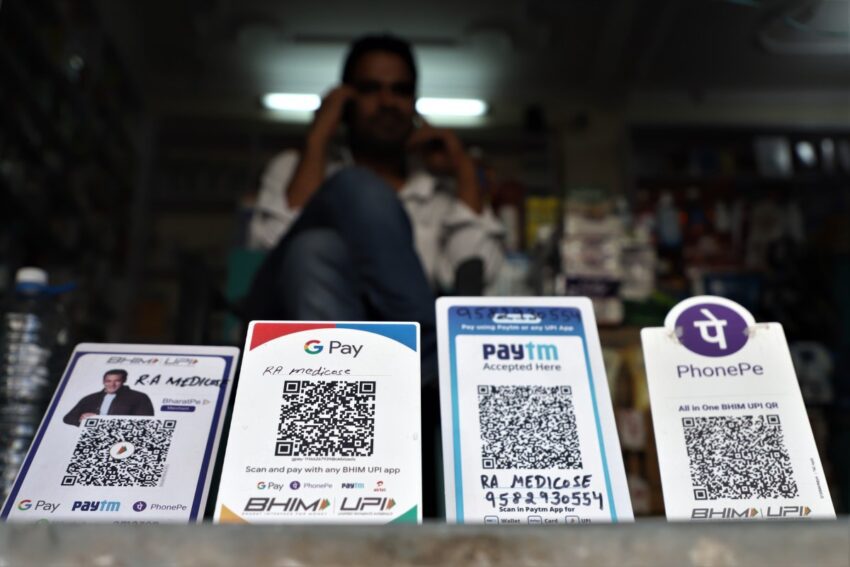
amazon meta join fight to end google Amazon and Meta are taking significant steps to challenge the dominance of Google Pay and PhonePe in India’s Unified Payments Interface (UPI) ecosystem.
amazon meta join fight to end google
Overview of the UPI Landscape in India
The Unified Payments Interface (UPI) has revolutionized the way transactions are conducted in India, providing a seamless and instant payment solution that has gained immense popularity among consumers and businesses alike. Launched in 2016 by the National Payments Corporation of India (NPCI), UPI allows users to link multiple bank accounts to a single mobile application, enabling real-time money transfers and payments. As of 2023, UPI has become a cornerstone of India’s digital economy, facilitating billions of transactions each month.
Currently, Google Pay and PhonePe dominate this landscape, collectively accounting for approximately 80% of all UPI transactions. This overwhelming market share has raised concerns about competition and consumer choice, prompting various stakeholders to call for regulatory intervention.
The Rise of Google Pay and PhonePe
Google Pay, launched in India in 2017, quickly gained traction due to its user-friendly interface and the backing of Google’s extensive ecosystem. It allows users to send and receive money, pay bills, and make purchases at a wide range of merchants. PhonePe, on the other hand, was launched in 2015 and has similarly leveraged its robust platform to capture a significant share of the market. Both platforms have invested heavily in marketing and partnerships, making them household names in the country.
The success of these platforms can be attributed to several factors:
- User Experience: Both Google Pay and PhonePe offer intuitive interfaces that simplify the payment process, making it accessible even to those who may not be tech-savvy.
- Incentives: Both platforms have employed aggressive promotional strategies, including cashback offers and discounts, to attract new users.
- Partnerships: Strategic alliances with banks and merchants have expanded their reach and usability, further entrenching their positions in the market.
Challenges to Dominance
Despite the current dominance of Google Pay and PhonePe, the landscape is beginning to shift as new players enter the market. Amazon and Meta, two of the largest technology companies globally, are now looking to carve out their own space in India’s digital payments ecosystem. Their entry into this competitive arena is significant for several reasons.
Amazon’s Strategic Move
Amazon has been expanding its footprint in India for years, and its interest in the digital payments sector aligns with its broader strategy to enhance its e-commerce platform. By integrating payment solutions into its existing services, Amazon can offer a more comprehensive shopping experience for its customers. The company has already launched Amazon Pay, which allows users to make payments for various services, including utility bills and online shopping.
Amazon’s entry into the UPI space could disrupt the current balance of power, especially if it leverages its existing customer base and logistical capabilities. The company is expected to advocate for a more competitive environment that would allow it to gain market share from the incumbents.
Meta’s Ambitions
Meta, formerly known as Facebook, has also expressed interest in the Indian digital payments market. With its vast user base on platforms like WhatsApp, Meta has a unique advantage in reaching consumers directly. WhatsApp Pay, which allows users to send money through the messaging app, has been in the pipeline for some time and is expected to launch soon.
Meta’s approach could focus on integrating payments with social interactions, making it easier for users to transact within their social networks. This could appeal particularly to younger consumers who are increasingly using digital platforms for both communication and commerce.
Regulatory Landscape and Stakeholder Reactions
As Amazon and Meta prepare to enter the fray, they are not doing so without challenges. The Indian government and regulatory bodies are closely monitoring the situation, particularly given the dominance of Google Pay and PhonePe. In response to growing concerns about market concentration, regulators are considering implementing restrictions to promote fair competition.
Stakeholders from various sectors have expressed mixed reactions to the potential changes. Some industry experts argue that increased competition could benefit consumers by leading to better services and lower fees. Others, however, caution that introducing new players without careful regulation could lead to market fragmentation and confusion among consumers.
Lobbying for Change
In light of these developments, Amazon and Meta are reportedly planning to meet with regulators to discuss potential restrictions on the dominant players in the UPI space. Their lobbying efforts aim to advocate for a more equitable playing field that would allow them to compete effectively against Google Pay and PhonePe.
Key points that may be raised during these discussions include:
- Market Share Limits: Proposals to cap the market share of any single player in the UPI ecosystem could be a focal point of the discussions.
- Consumer Protection: Ensuring that consumers are not locked into a single platform and have the freedom to choose their payment methods.
- Innovation Incentives: Encouraging innovation by providing support for new entrants in the market.
Implications for the Future of Digital Payments in India
The entry of Amazon and Meta into the Indian digital payments landscape could have far-reaching implications. If successful, these companies could reshape the competitive dynamics of the UPI ecosystem, leading to a more diverse range of options for consumers.
Moreover, increased competition could drive innovation, prompting existing players to enhance their offerings and improve user experiences. This could include the introduction of new features, better security measures, and more attractive pricing models.
Potential Risks
However, the shift towards a more competitive landscape is not without risks. The UPI system has been praised for its efficiency and reliability, and introducing new players could lead to potential disruptions. Regulatory bodies will need to ensure that the integrity of the UPI network is maintained while fostering competition.
Additionally, there is a concern that the entry of large multinational corporations could overshadow local players, potentially stifling innovation from homegrown startups. Balancing the interests of established companies with those of emerging players will be crucial for regulators moving forward.
Conclusion
The ongoing developments in India’s digital payments landscape signify a pivotal moment for the UPI ecosystem. With Amazon and Meta poised to challenge the dominance of Google Pay and PhonePe, the potential for increased competition could lead to significant changes in how consumers transact. As these companies prepare to engage with regulators, the outcomes of these discussions will likely shape the future of digital payments in India.
As the situation unfolds, stakeholders from various sectors will be watching closely to see how these dynamics play out and what it means for the broader digital economy in India.
Source: Original report
Was this helpful?
Explore more: More Big Tech & Platforms Tech News Blog
Last Modified: April 30, 2026 at 10:39 am
15 views