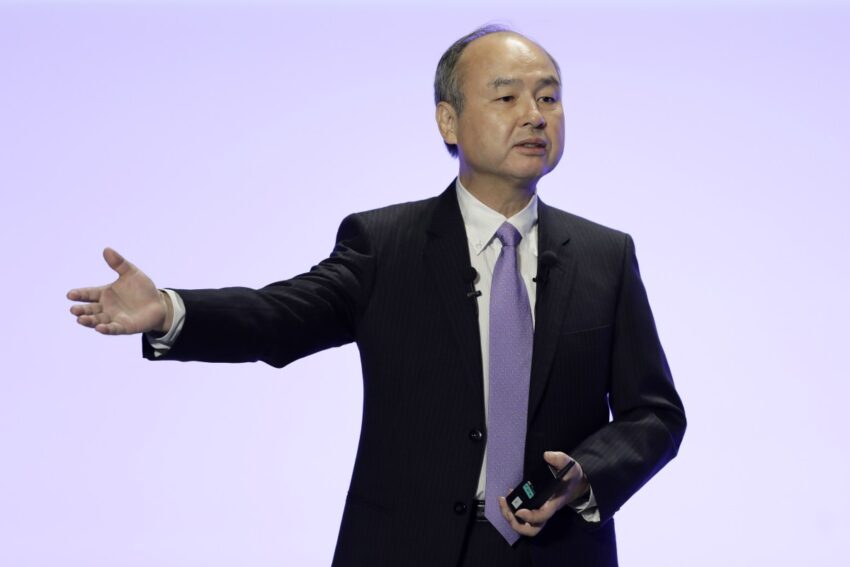
softbank is creating a robotics company that SoftBank is venturing into the robotics sector with a new company focused on developing data centers, aiming for a staggering $100 billion initial public offering (IPO).
softbank is creating a robotics company that
Overview of SoftBank’s New Venture
SoftBank, the Japanese multinational conglomerate, is making headlines with its latest initiative: the establishment of a robotics company dedicated to constructing data centers. This move is indicative of the growing intersection between robotics, artificial intelligence (AI), and infrastructure development. The company is not only looking to innovate in the robotics space but is also eyeing a monumental IPO valued at $100 billion, signaling its ambition to become a key player in the tech industry.
The Need for Infrastructure in AI Development
As the demand for AI technologies continues to surge, the need for robust infrastructure to support these advancements has become increasingly evident. Data centers are the backbone of AI operations, providing the necessary computational power and storage capabilities. However, building these data centers requires significant investment and expertise, which is where SoftBank’s new robotics venture comes into play.
Robotics as a Solution
SoftBank’s approach suggests a paradigm shift in how infrastructure is developed. Traditionally, data centers have been constructed using conventional methods, often requiring extensive human labor and time. By leveraging robotics, SoftBank aims to streamline this process, potentially reducing costs and increasing efficiency. The integration of robotics into construction could lead to faster project completion times and improved safety, as machines can handle hazardous tasks that would otherwise pose risks to human workers.
Implications for the Tech Industry
The implications of SoftBank’s initiative extend beyond the immediate benefits of robotics in construction. This venture could catalyze a broader trend in the tech industry, where companies increasingly rely on automation and AI to enhance operational efficiency. As SoftBank positions itself at the forefront of this movement, it may inspire other firms to explore similar strategies, further accelerating the adoption of robotics in various sectors.
Market Reactions
Investor sentiment surrounding SoftBank’s new robotics company has been largely positive. The prospect of a $100 billion IPO has generated considerable interest, with analysts speculating on the potential market impact. If successful, this IPO could not only bolster SoftBank’s financial standing but also validate the growing importance of robotics and AI in infrastructure development.
Challenges Ahead
Despite the optimistic outlook, SoftBank’s venture is not without challenges. The robotics industry is highly competitive, with numerous players vying for market share. Additionally, the technical complexities involved in developing autonomous systems for construction could pose significant hurdles. SoftBank will need to navigate these challenges effectively to realize its ambitious goals.
Stakeholder Perspectives
Various stakeholders have expressed their views on SoftBank’s new initiative. Industry experts have lauded the move as a forward-thinking strategy that aligns with global trends in automation and AI. However, some critics have raised concerns about the potential job displacement that could result from increased automation in construction.
Balancing Innovation and Employment
As robotics take on more roles traditionally held by human workers, the conversation around job displacement becomes increasingly relevant. While automation can lead to greater efficiency and cost savings, it also raises questions about the future of employment in sectors heavily reliant on manual labor. SoftBank will need to address these concerns proactively, potentially by investing in retraining programs for displaced workers or by creating new job opportunities within the robotics sector itself.
Future Prospects for Robotics in Infrastructure
The future of robotics in infrastructure development appears promising. As technology continues to evolve, the capabilities of robotic systems are expected to expand, enabling them to perform increasingly complex tasks. This evolution could lead to a new era of construction, where projects are completed faster, safer, and more efficiently than ever before.
Global Trends in Robotics and AI
SoftBank’s initiative is part of a larger global trend toward the integration of robotics and AI across various industries. Countries around the world are investing heavily in these technologies, recognizing their potential to drive economic growth and innovation. As nations strive to enhance their technological capabilities, the demand for advanced robotics solutions is likely to increase, further solidifying the role of companies like SoftBank in shaping the future of infrastructure.
Potential Collaborations and Partnerships
To maximize its chances of success, SoftBank may seek collaborations and partnerships with other technology firms, research institutions, and government agencies. Such alliances could provide access to valuable resources, expertise, and funding, enabling the company to accelerate its development efforts and bring its robotics solutions to market more quickly.
Conclusion
SoftBank’s foray into the robotics sector with a focus on building data centers represents a significant development in the intersection of technology and infrastructure. By leveraging robotics to streamline construction processes, the company aims to position itself as a leader in the evolving landscape of AI and automation. While challenges remain, the potential benefits of this initiative are substantial, both for SoftBank and the broader tech industry. As the world increasingly embraces automation, the implications of SoftBank’s venture could resonate far beyond the construction sector, influencing how we think about infrastructure development in the years to come.
Source: Original report
Was this helpful?
Explore more: DevOps Services More Cloud & DevOps Tech News
Last Modified: April 30, 2026 at 10:38 am
9 views