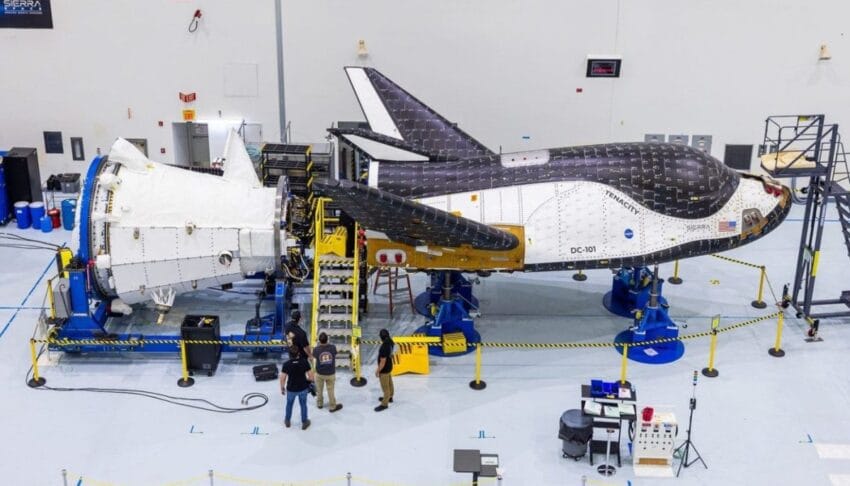
sierra space s spaceplane faces a reinvention Sierra Space’s Dream Chaser spaceplane is facing an identity crisis after NASA changed contract terms to remove its guarantee to buy cargo flights to the ISS.
sierra space s spaceplane faces a reinvention
Background on Dream Chaser
The Dream Chaser spaceplane, developed by Sierra Space, represents a significant advancement in space transportation technology. Initially designed for cargo missions to the International Space Station (ISS), the spaceplane is notable for its ability to land on conventional runways, which sets it apart from other spacecraft that typically rely on parachute landings. This unique landing capability is expected to facilitate easier recovery and reuse, aligning with the growing emphasis on sustainability in space exploration.
Originally, Sierra Space secured a contract with NASA under the Commercial Resupply Services 2 (CRS-2) program, which promised a steady stream of cargo missions to the ISS. The contract was seen as a vital endorsement for the Dream Chaser project, providing financial backing and a clear path to operational deployment. However, recent changes to the contract have thrown the future of the Dream Chaser into uncertainty.
Changes to NASA’s Contract Terms
In a significant shift, NASA has altered the terms of its contract with Sierra Space, removing the guarantee for cargo flights to the ISS. This decision has raised concerns about the viability of the Dream Chaser program, as the guaranteed missions were a cornerstone of the project’s financial and operational framework. Without these assurances, Sierra Space faces the daunting challenge of securing additional contracts to sustain the development and operational costs associated with the spaceplane.
The implications of this change are profound. The removal of guaranteed missions means that Sierra Space must now compete more aggressively for contracts in an increasingly crowded market. Other private companies, such as SpaceX and Northrop Grumman, are also vying for NASA’s business, making the landscape more competitive than ever. This shift not only affects Sierra Space’s financial outlook but also raises questions about the future of the Dream Chaser as a viable cargo transport solution.
Market Implications
The commercial spaceflight industry has seen rapid growth in recent years, driven by increasing demand for satellite launches, resupply missions, and crewed spaceflight. However, with this growth comes heightened competition. The removal of guaranteed contracts for Dream Chaser places Sierra Space in a precarious position, as it must now navigate a market where established players have already secured significant contracts and customer bases.
In the wake of NASA’s decision, Sierra Space will need to explore various avenues to secure funding and contracts. Potential strategies may include:
- Partnerships and Collaborations: Forming alliances with other aerospace companies or government agencies could provide Sierra Space with the necessary support to enhance its competitive edge.
- Diversifying Services: Expanding the range of services offered by Dream Chaser, such as crewed missions or satellite deployment, may attract new clients and revenue streams.
- International Contracts: Seeking contracts from international space agencies or private companies could help mitigate the loss of guaranteed NASA missions.
Stakeholder Reactions
The response from stakeholders has been mixed. Investors and industry analysts have expressed concern over the potential implications of NASA’s contract changes. Many view the decision as a setback for Sierra Space, which had positioned Dream Chaser as a key player in the future of space logistics. The uncertainty surrounding the program’s future could impact investor confidence and funding opportunities.
On the other hand, some stakeholders remain optimistic about Sierra Space’s ability to adapt. The company has a history of innovation and resilience, and many believe that it can pivot effectively in response to the changing landscape. Sierra Space’s leadership has emphasized its commitment to the Dream Chaser program and its belief in the spaceplane’s potential, despite the current challenges.
Technical and Operational Challenges
Beyond the financial implications, the Dream Chaser program faces several technical and operational challenges that must be addressed to ensure its success. These challenges include:
- Development Timeline: The timeline for completing the Dream Chaser’s development and achieving operational readiness may be impacted by the loss of guaranteed contracts. Delays could lead to increased costs and further complicate the program’s financial viability.
- Regulatory Hurdles: Navigating the regulatory landscape for commercial spaceflight can be complex. Sierra Space will need to ensure compliance with all safety and operational standards to gain the necessary approvals for its missions.
- Technological Advancements: As competitors continue to innovate, Sierra Space must stay ahead of technological trends to maintain its competitive edge. This may require ongoing investment in research and development.
Future Outlook for Dream Chaser
The future of the Dream Chaser spaceplane remains uncertain, but several factors could influence its trajectory moving forward. The commercial space industry is evolving rapidly, and Sierra Space must adapt to remain relevant. Key considerations for the future include:
- Market Demand: The demand for cargo resupply missions to the ISS and other space stations is expected to grow in the coming years. If Sierra Space can secure contracts in this expanding market, it may bolster the Dream Chaser’s viability.
- Technological Innovations: Continued advancements in space technology could provide Sierra Space with opportunities to enhance the capabilities of Dream Chaser, making it more attractive to potential clients.
- Strategic Partnerships: Collaborating with other aerospace companies or government agencies could provide Sierra Space with the resources and support needed to navigate the challenges ahead.
Conclusion
The recent changes to NASA’s contract with Sierra Space have introduced significant uncertainty for the Dream Chaser spaceplane program. While the removal of guaranteed cargo flights to the ISS poses challenges, it also presents an opportunity for Sierra Space to reevaluate its strategies and explore new avenues for growth. The company’s ability to adapt to the evolving landscape of the commercial space industry will be crucial in determining the future of Dream Chaser and its role in space transportation.
Source: Original report
Was this helpful?
Explore more: DevOps Services More Cloud & DevOps Tech News
Last Modified: September 26, 2025 at 5:37 pm
11 views