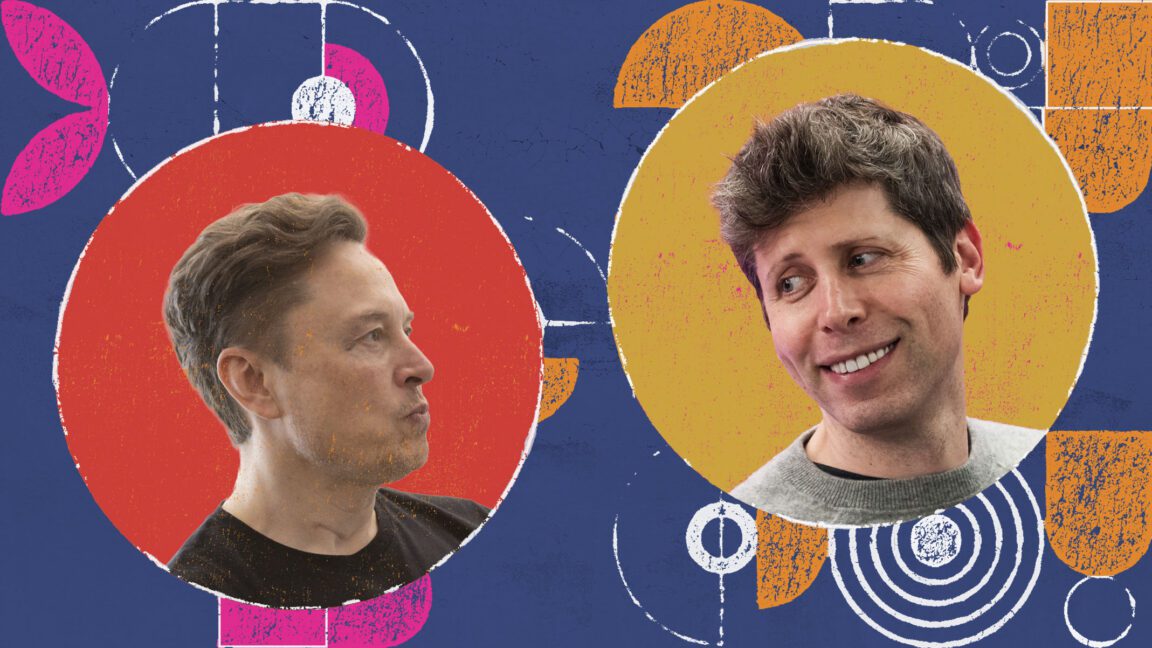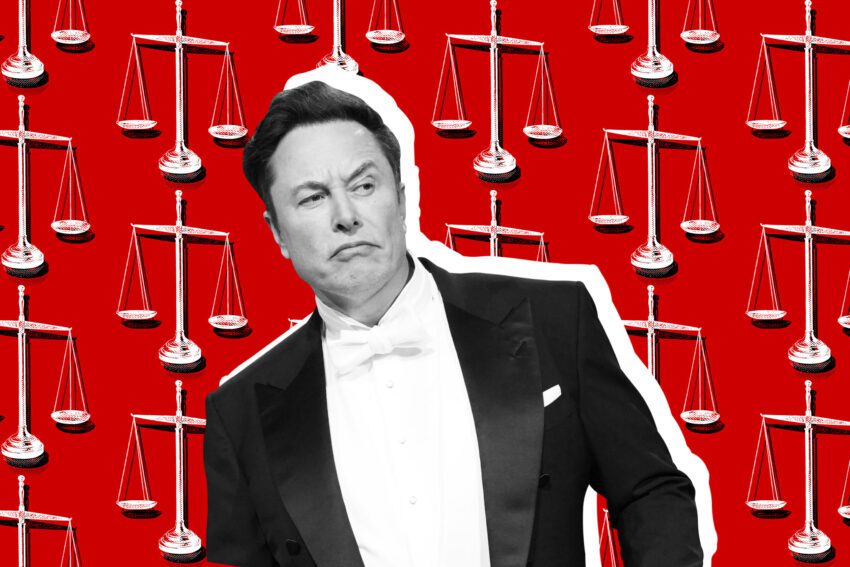
jury selection in musk v altman people The jury selection process in the high-profile case of Elon Musk versus Sam Altman commenced this week, revealing significant biases among potential jurors against Musk.
jury selection in musk v altman people
Background of the Case
The legal battle centers around allegations that Elon Musk, the CEO of Tesla and SpaceX, made broken promises during his tenure at OpenAI, the artificial intelligence research organization he co-founded. Musk has been a controversial figure in the tech industry, known for his bold statements and unconventional business practices. The case has drawn considerable media attention, not only because of Musk’s celebrity status but also due to the implications it may have for the future of AI governance and corporate accountability.
Sam Altman, the current CEO of OpenAI, has been at the forefront of discussions regarding AI ethics and safety. The conflict between Musk and Altman is emblematic of broader tensions within the tech community about the direction of AI development and the responsibilities of its leaders. Musk’s departure from OpenAI in 2018 was marked by disagreements over the organization’s mission and its approach to AI safety, which have only intensified in recent years as AI technologies have rapidly advanced.
Jury Selection Process
As the jury selection began, it became apparent that many prospective jurors already held strong opinions about Musk. This sentiment poses a challenge for both the defense and prosecution, as impartiality is a cornerstone of the judicial process. The court aims to assemble a jury that can fairly evaluate the evidence presented without preconceived notions influencing their judgment.
Juror Opinions
Reports from the courthouse, including insights from The Verge reporter Elizabeth Lopatto, highlighted some of the striking opinions expressed by potential jurors. Many of the juror questionnaires contained statements that reflected deep-seated negative views of Musk:
- “Elon Musk is a greedy, racist, homophobic piece of garbage.”
- “Elon Musk is a world-class jerk.”
- “I very much dislike Tesla. As a woman of color, I am very aware of the damaging statements and actions Elon Musk has enacted and been a part of.”
Such comments reveal a significant bias that could complicate the jury selection process. The challenge for the legal teams will be to identify jurors who can set aside their personal feelings and focus solely on the facts of the case.
Implications of Juror Bias
The strong opinions held by potential jurors raise important questions about the fairness of the trial. If a jury is unable to view the case objectively, it could lead to an unjust outcome. Legal experts often emphasize the importance of a fair trial, which is a fundamental right in the American judicial system. The presence of bias can undermine this principle, making it essential for the court to ensure that jurors are capable of impartiality.
Moreover, the implications of this case extend beyond the courtroom. The outcome could influence public perception of Musk and his ventures, particularly as they relate to ethical considerations in technology. If the jury finds in favor of Altman, it could reinforce negative views about Musk and his business practices, potentially impacting Tesla’s stock prices and Musk’s reputation in the tech community.
Stakeholder Reactions
The reactions to the jury selection process have been varied. Supporters of Musk argue that the negative opinions expressed by potential jurors are indicative of a broader bias against successful entrepreneurs who challenge the status quo. They contend that Musk’s unconventional approach to business and his outspoken nature have made him a target for criticism, which could unfairly influence the trial.
On the other hand, critics argue that the strong opinions about Musk are justified, citing his controversial statements and actions over the years. Many believe that his behavior has had real-world consequences, particularly in areas such as public health, environmental policy, and social justice. This perspective suggests that the jury’s opinions may be rooted in legitimate concerns about Musk’s impact on society.
Public Sentiment
The public’s sentiment towards Musk has been polarized for years. While he has a dedicated fan base that admires his vision and ambition, there is also a significant portion of the population that views him with skepticism. This divide is particularly pronounced among certain demographic groups, including women and people of color, who have expressed concerns about Musk’s comments and actions.
As the trial progresses, public opinion may continue to evolve. The media coverage surrounding the case will likely play a crucial role in shaping narratives about Musk and Altman, influencing how the public perceives the outcome. The trial could serve as a litmus test for broader societal attitudes towards tech leaders and their responsibilities.
Legal Considerations
From a legal standpoint, the case raises several important questions about corporate governance and accountability in the tech industry. If Musk is found liable for broken promises, it could set a precedent for how tech leaders are held accountable for their actions. This could have far-reaching implications for startups and established companies alike, particularly in an industry that often operates in a gray area when it comes to ethical considerations.
Furthermore, the case may prompt discussions about the role of venture capital and investor influence in shaping the direction of tech companies. Musk’s relationship with OpenAI has been characterized by a complex interplay of ambition, innovation, and ethical considerations. The outcome of this trial could shed light on how these dynamics play out in the broader tech landscape.
Conclusion
The jury selection process in the Musk v. Altman case has revealed significant biases among potential jurors, raising questions about the fairness of the trial. As the legal battle unfolds, the implications for Musk, Altman, and the tech industry at large will be closely watched. The outcome could influence public perception of Musk, set precedents for corporate accountability, and spark broader discussions about the ethical responsibilities of tech leaders.
As the trial progresses, it will be essential to monitor how the jury selection evolves and how the case is presented in court. The stakes are high, not only for Musk and Altman but for the future of AI governance and the responsibilities of those at the helm of technological innovation.
Source: Original report
Was this helpful?
Explore more: More Business & Startups Tech News Blog
Last Modified: April 28, 2026 at 9:36 am
11 views