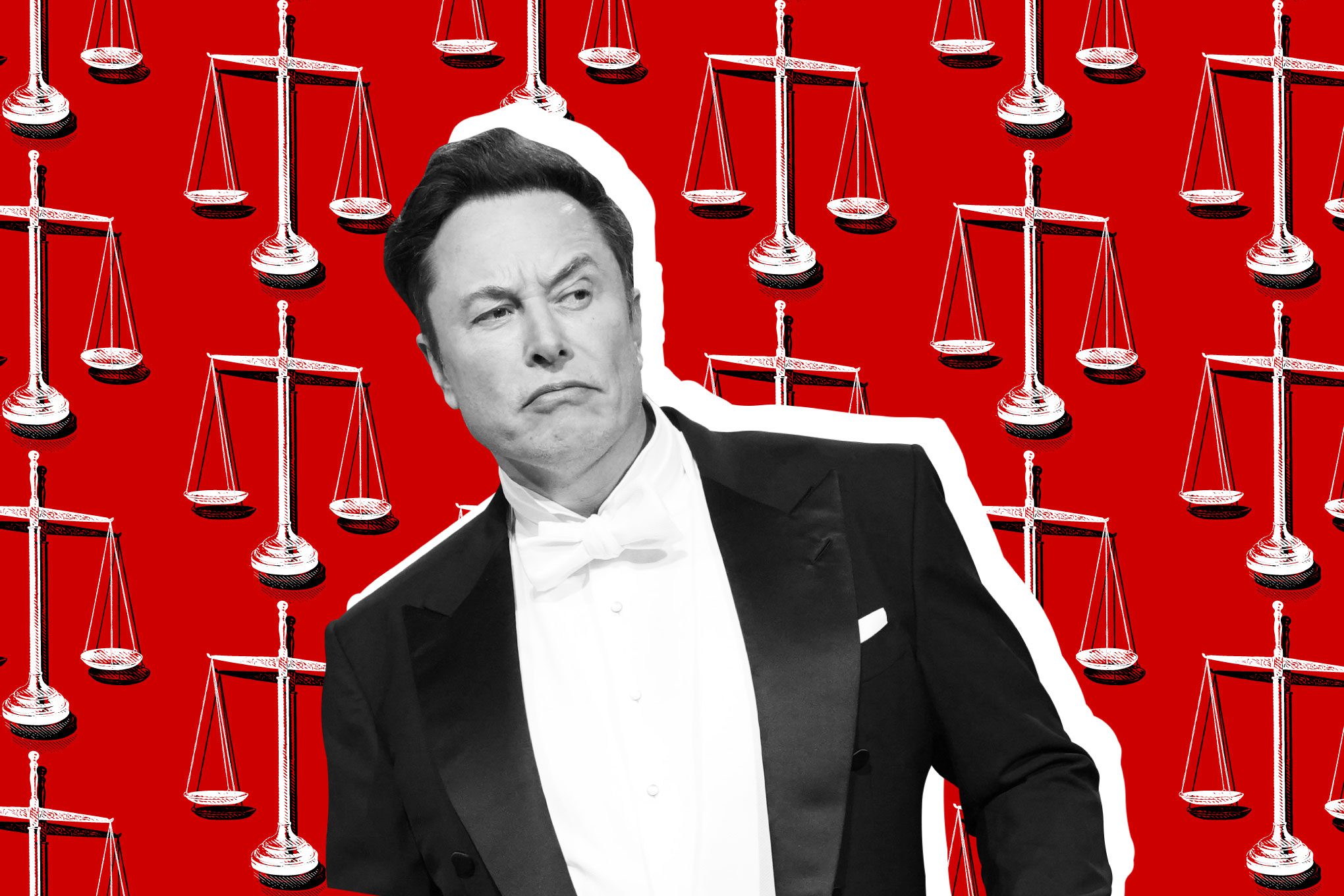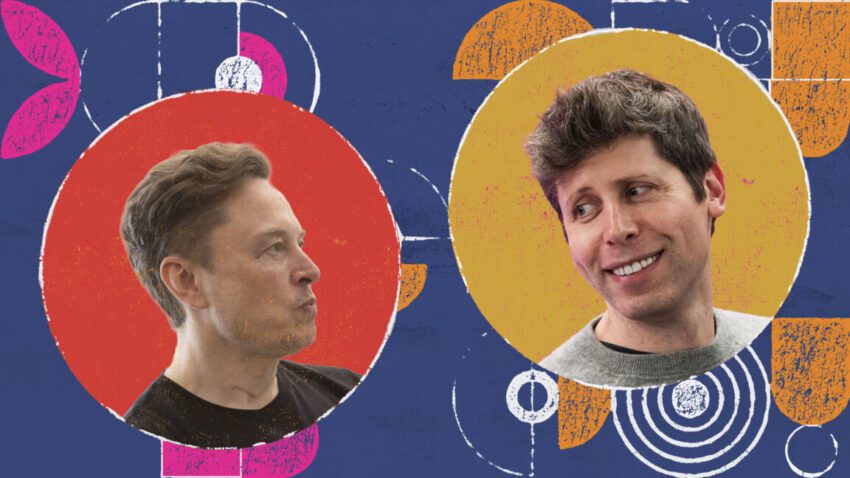
musk and altman face off in trial A highly anticipated legal battle is set to unfold this week, as Elon Musk takes on Sam Altman in a trial that could determine the future direction of OpenAI.
musk and altman face off in trial
Background of the Dispute
The lawsuit stems from Musk’s claims that OpenAI has strayed from its original mission of ensuring that artificial intelligence (AI) serves humanity rather than the interests of a select few, particularly billionaires. Musk, who was one of the early major donors and advisors to OpenAI, left the organization amid growing concerns over its trajectory. His departure was marked by a belief that the nonprofit’s mission was being compromised as it transitioned toward a for-profit model.
OpenAI was founded in December 2015 with the goal of developing AI technologies in a way that would benefit humanity as a whole. The organization was established as a nonprofit, emphasizing transparency and ethical considerations in AI development. However, as the demand for AI technologies surged, OpenAI made the controversial decision to create a for-profit arm in 2019, allowing it to attract more funding and resources. This shift has led to questions about the organization’s commitment to its foundational principles.
The Key Players
Elon Musk
Elon Musk is a well-known entrepreneur and CEO of multiple companies, including Tesla and SpaceX. His involvement in AI began with his early support for OpenAI, where he envisioned a future where AI could be developed responsibly. However, Musk has since become a vocal critic of AI, warning about its potential dangers and advocating for regulatory oversight. His lawsuit against OpenAI is seen as an extension of his concerns regarding the unchecked development of AI technologies.
Sam Altman
Sam Altman, the current CEO of OpenAI, has been instrumental in the organization’s growth and its transition to a for-profit model. Under his leadership, OpenAI has made significant advancements in AI research and development, including the creation of powerful language models like GPT-3. However, Altman’s leadership has not been without controversy. Insiders have reportedly expressed growing distrust in his commitment to OpenAI’s original mission, raising questions about the organization’s future direction.
The Legal Proceedings
The trial is expected to delve into various aspects of OpenAI’s operations, including its governance structure, funding mechanisms, and adherence to its nonprofit mission. Musk’s legal team will likely argue that the organization’s shift toward a for-profit model undermines its foundational principles and could lead to the prioritization of profit over ethical considerations in AI development.
If Musk prevails in this lawsuit, the implications could be profound. OpenAI’s plans to expand its for-profit arm, which is intended to generate revenue to support its nonprofit initiatives, could be severely hampered. Furthermore, key figures within the organization, including Altman and co-founder Greg Brockman, could face significant repercussions, including being removed from their positions as officers. Altman, in particular, risks losing his seat on OpenAI’s board, which would represent a major shift in the organization’s leadership.
Implications for the AI Landscape
The outcome of this trial could have far-reaching consequences for the broader AI landscape. OpenAI has been a leader in AI research and development, and its decisions have influenced the direction of the industry as a whole. A ruling in favor of Musk could signal a shift back toward nonprofit models in AI development, emphasizing ethical considerations and transparency over profit motives.
Conversely, if Altman and OpenAI prevail, it could solidify the for-profit model as a viable path for AI organizations seeking to attract investment and resources. This outcome may encourage other AI firms to adopt similar structures, potentially leading to a more competitive landscape where profit-driven motives take precedence over ethical considerations.
Stakeholder Reactions
The legal battle has elicited a range of reactions from stakeholders within the tech industry and beyond. Many industry experts and AI researchers are closely monitoring the trial, recognizing its potential to reshape the future of AI development. Some view Musk’s lawsuit as a necessary challenge to ensure that ethical considerations remain at the forefront of AI advancements, while others argue that the for-profit model is essential for driving innovation and attracting investment.
Supporters of Musk’s position emphasize the importance of maintaining a commitment to ethical AI development. They argue that the rapid advancement of AI technologies poses significant risks, and that organizations like OpenAI must prioritize the well-being of society over financial gain. This perspective aligns with Musk’s longstanding concerns about the potential dangers of unchecked AI development.
On the other hand, proponents of Altman’s approach argue that the for-profit model allows OpenAI to secure the funding necessary to continue its groundbreaking research. They contend that the resources generated through a for-profit arm can ultimately be reinvested into nonprofit initiatives, enabling OpenAI to fulfill its mission more effectively. This argument highlights the tension between ethical considerations and the practical realities of funding AI research in an increasingly competitive landscape.
Potential Outcomes and Future Considerations
As the trial unfolds, various outcomes are possible. A ruling in favor of Musk could lead to significant changes within OpenAI, including a reevaluation of its governance structure and funding strategies. This could prompt other AI organizations to reconsider their own models, potentially leading to a resurgence of nonprofit initiatives in the field.
Alternatively, a ruling in favor of Altman and OpenAI could reinforce the legitimacy of the for-profit model in AI development. This outcome may embolden other organizations to pursue similar paths, further entrenching profit motives in the industry. It could also lead to increased scrutiny of nonprofit organizations that have adopted for-profit arms, as stakeholders demand greater transparency and accountability.
Conclusion
The trial between Elon Musk and Sam Altman is not merely a personal dispute; it represents a critical juncture for the future of artificial intelligence. The outcome will likely have lasting implications for how AI organizations operate, the ethical considerations they prioritize, and the resources available for research and development. As the legal proceedings unfold, all eyes will be on the courtroom, where the fate of OpenAI—and potentially the broader AI landscape—hangs in the balance.
Source: Original report
Was this helpful?
Explore more: More Business & Startups Tech News Blog
Last Modified: April 28, 2026 at 5:36 am
11 views