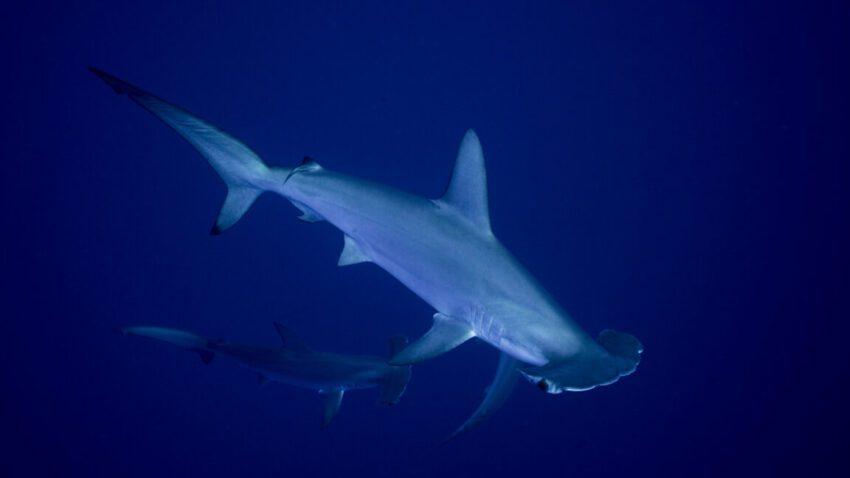
sharks and rays gain landmark protections as Global governments have taken a significant step towards the conservation of marine life by agreeing to implement widespread international trade bans and restrictions on sharks and rays, species that are increasingly threatened with extinction.
sharks and rays gain landmark protections as
Historic Decision at CITES
Last week, during a pivotal meeting of the Convention on International Trade in Endangered Species of Wild Fauna and Flora (CITES), representatives from over 70 nations came together to endorse new protections for more than 70 species of sharks and rays. This landmark decision includes well-known species such as the oceanic whitetip shark, the whale shark, and various types of manta rays. The CITES treaty, established in 1975, aims to ensure that international trade does not threaten the survival of wild animals and plants.
The agreement marks a crucial turning point in the global effort to protect these marine species, which have been heavily exploited for their fins, meat, and other body parts. The decision reflects a growing recognition of the critical roles that sharks and rays play in maintaining the health of marine ecosystems. As apex predators, they help regulate the populations of other marine species, contributing to the overall balance of oceanic environments.
The Role of Sharks and Rays in Marine Ecosystems
Sharks and rays are integral to the health of marine ecosystems. They help control the populations of various species, which in turn affects the entire food web. For instance, by preying on weaker or sick individuals, these predators help maintain the genetic health of prey populations. This natural selection process is essential for the resilience of marine ecosystems, especially in the face of climate change and other anthropogenic pressures.
However, the increasing demand for shark and ray products has led to alarming declines in their populations. According to the International Union for Conservation of Nature (IUCN), approximately one-third of shark and ray species are currently threatened with extinction. The global market for shark products is estimated to be worth nearly $1 billion annually, driven by demand for shark fins, meat, and other components used in traditional medicine and cuisine.
Implications of the CITES Decision
The new protections under CITES will require member countries to regulate or prohibit the international trade of the listed species. This means that nations will need to implement stricter measures to monitor and control the trade of sharks and rays, ensuring that any trade that does occur is sustainable and does not threaten the survival of these species.
Luke Warwick, director of shark and ray conservation at the Wildlife Conservation Society (WCS), emphasized the importance of this decision, stating, “This is a monumental step forward for the conservation of sharks and rays. It sends a clear message that the international community is committed to protecting these species from unsustainable trade practices.” Warwick’s organization has been at the forefront of efforts to raise awareness about the plight of sharks and rays and to advocate for stronger protections.
Stakeholder Reactions
The decision has been met with widespread approval from conservationists, scientists, and environmental organizations. Many see it as a necessary response to the alarming decline of shark and ray populations worldwide. The World Wildlife Fund (WWF) also praised the agreement, highlighting the need for immediate action to safeguard these species.
However, the decision has not been without its critics. Some stakeholders, particularly those involved in the fishing industry, have expressed concerns about the potential economic impacts of the trade restrictions. Fishermen and businesses that rely on the catch of sharks and rays fear that the new regulations could limit their livelihoods. This has led to calls for a balanced approach that considers both conservation needs and the economic realities faced by communities dependent on fishing.
Economic Considerations
The economic implications of the CITES decision are multifaceted. While the restrictions aim to protect endangered species, they also pose challenges for communities that rely on fishing as a primary source of income. In many coastal regions, fishing is not just a livelihood but a way of life, deeply intertwined with local culture and traditions.
To address these concerns, it is crucial for governments and conservation organizations to work collaboratively with local communities. This could involve developing alternative livelihoods, such as ecotourism or sustainable fishing practices, that can provide economic benefits without compromising the health of marine ecosystems. Engaging local stakeholders in the conservation process can also foster a sense of ownership and responsibility towards protecting marine resources.
Global Context and Future Directions
The recent CITES decision comes at a time when the global community is increasingly recognizing the need for comprehensive strategies to address biodiversity loss. The United Nations has set ambitious targets for biodiversity conservation, including the goal of protecting 30% of the world’s oceans by 2030. The inclusion of sharks and rays in CITES reflects a broader commitment to safeguarding marine biodiversity and addressing the threats posed by overfishing, habitat destruction, and climate change.
Looking ahead, the success of the CITES decision will depend on effective implementation and enforcement of the new regulations. Countries will need to invest in monitoring and enforcement mechanisms to ensure compliance with the trade restrictions. This may involve training for law enforcement agencies, improved data collection on shark and ray populations, and increased collaboration among nations to combat illegal fishing practices.
International Collaboration
International collaboration will be essential for the effective protection of sharks and rays. Many species migrate across national boundaries, making it imperative for countries to work together to ensure their conservation. Regional agreements and partnerships can facilitate information sharing, joint enforcement efforts, and coordinated management strategies.
Furthermore, public awareness campaigns will play a vital role in garnering support for shark and ray conservation. Educating consumers about the impacts of their choices and promoting sustainable seafood options can help reduce demand for products derived from endangered species. Engaging the public through social media, community events, and educational programs can foster a culture of conservation and encourage responsible consumption.
Conclusion
The recent agreement to protect sharks and rays under CITES represents a significant milestone in the global effort to conserve marine biodiversity. By implementing trade restrictions on these vulnerable species, nations are taking a crucial step towards safeguarding the health of our oceans and the ecosystems they support. While challenges remain, the commitment to protecting these apex predators signals a growing awareness of the interconnectedness of human activities and the health of marine environments. The success of this initiative will depend on collaborative efforts, effective enforcement, and a shared commitment to sustainable practices that prioritize the long-term health of our oceans.
Source: Original report
Was this helpful?
Explore more: More General Technology Tech News Blog
Last Modified: December 14, 2025 at 2:36 am
12 views