pixelated 081 gemin-eyes This week’s episode of Pixelated dives into the intriguing developments surrounding Google’s Android XR platform, as well as updates on Wear OS and One UI 8.5.
pixelated 081 gemin-eyes
Exploring Google’s Android XR Platform
In episode 81 of Pixelated, hosts Abner, Will, and Damien discuss their firsthand experiences with early samples of glasses powered by Google’s Android XR platform. This technology represents a significant leap forward in augmented reality (AR) and virtual reality (VR) integration, reminiscent of the ambitious Google Glass project that initially launched in 2013. The trio reflects on the potential implications of this technology, particularly in how it could reshape user interaction with digital content.
The Demo Experience
During the podcast, Abner shares his impressions from a demo of the glasses, which he describes as surprisingly impressive. The glasses utilize advanced sensors and display technology to overlay digital information onto the real world, allowing users to interact with their environment in innovative ways. This capability is not just a novelty; it has practical applications in various fields, from healthcare to education and beyond.
One of the standout features discussed was the glasses’ ability to seamlessly integrate with existing Google services. For instance, users can receive notifications, access navigation prompts, and even engage with augmented reality applications without needing to pull out their smartphones. This hands-free experience could significantly enhance productivity and convenience, particularly in professional settings.
Potential Applications
The implications of this technology extend beyond mere convenience. In sectors like healthcare, AR glasses could assist surgeons by overlaying critical information during procedures. In education, they could provide interactive learning experiences, allowing students to visualize complex concepts in real-time. The potential for remote collaboration also exists, where users can share their view with others, facilitating more effective communication and teamwork.
However, the return of Google Glass-esque technology also raises questions about privacy and social acceptance. The original Google Glass faced backlash over concerns regarding surveillance and the potential for misuse. As the hosts discuss, it will be crucial for Google to address these concerns proactively to ensure that users feel comfortable adopting this new technology.
Wear OS Updates
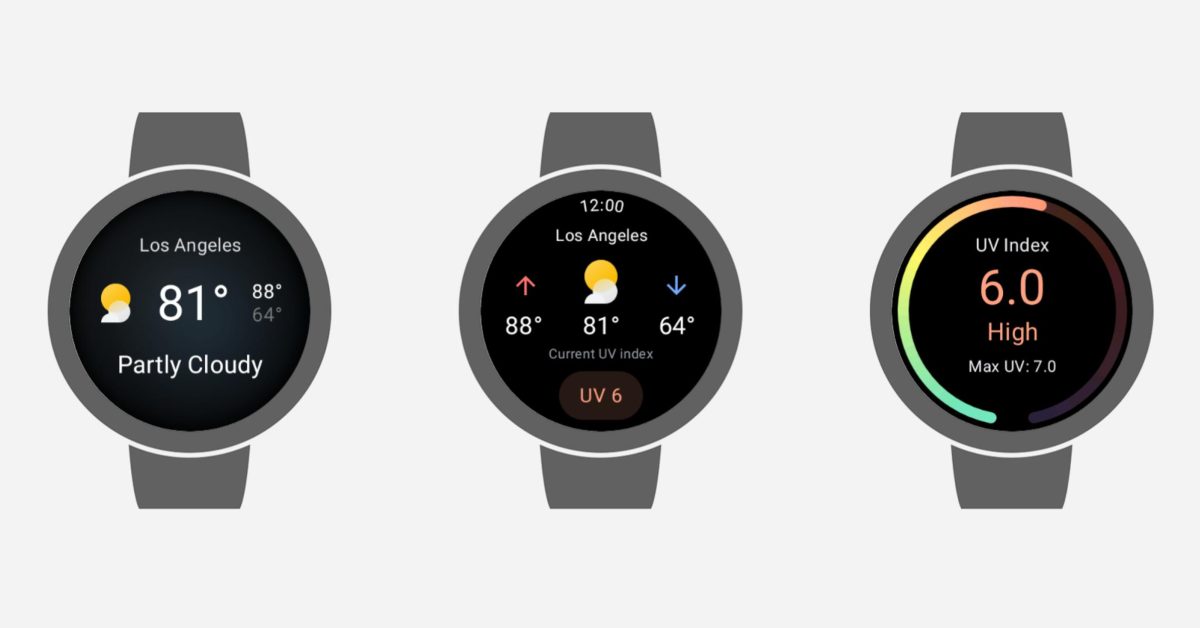
In addition to the discussion on Android XR, the podcast shifts focus to recent changes coming to Wear OS. As smartwatches continue to gain popularity, Google is making significant strides to enhance the functionality and user experience of its wearable operating system.
New Features and Enhancements
The hosts highlight several new features that are expected to roll out with the latest updates to Wear OS. One notable addition is improved health tracking capabilities. Wear OS is set to integrate more advanced sensors that can monitor various health metrics, including heart rate variability and sleep patterns. This enhancement aligns with the growing trend of health and wellness technology, as consumers increasingly seek devices that can provide insights into their physical well-being.
Another significant update involves the user interface. Google aims to streamline navigation and make it more intuitive, addressing some of the criticisms that have been leveled at Wear OS in the past. The new design is expected to prioritize ease of use, allowing users to access their favorite apps and features more quickly.
Integration with Other Platforms
Moreover, the hosts discuss how Wear OS is becoming more integrated with other platforms, particularly with the upcoming One UI 8.5 beta. This integration is part of a broader strategy to create a cohesive ecosystem across devices, enabling users to transition smoothly between their smartphones, tablets, and wearables. The seamless connectivity could enhance the overall user experience, making it easier to manage notifications, health data, and other functionalities across devices.
One UI 8.5 Beta: The iOS-ification of Android?
The conversation then shifts to the first beta of One UI 8.5, Samsung’s custom user interface for its Android devices. The hosts express curiosity about the design choices made in this latest iteration, particularly regarding the apparent trend towards iOS-like features. This observation raises questions about the future direction of Android as a platform and how manufacturers like Samsung are adapting to user preferences.
Design Changes and User Experience
Listeners are informed about some of the specific design changes introduced in One UI 8.5. These include a more streamlined aesthetic, with softer colors and rounded edges that mirror the visual language of iOS. While some users may appreciate the fresh look, others may view it as a departure from the traditional Android experience that has been characterized by customization and flexibility.
Abner, Will, and Damien discuss the implications of this shift. On one hand, adopting a more unified design language could enhance user familiarity and ease of use, particularly for those transitioning from iOS to Android. On the other hand, it raises concerns about the loss of individuality that has long been a hallmark of the Android ecosystem. The hosts ponder whether this trend signifies a broader movement towards homogenization in the tech industry.
Stakeholder Reactions
The podcast also touches on the reactions from various stakeholders, including developers and consumers. Developers may need to adapt their applications to fit the new design guidelines, which could lead to a temporary disruption in the app ecosystem. Meanwhile, consumers may have mixed feelings about the changes, with some welcoming the new features and others resisting the shift towards a more iOS-like experience.
Conclusion: The Future of Google’s Innovations
As episode 81 of Pixelated wraps up, the hosts reflect on the broader implications of these technological advancements. The potential resurgence of Google Glass-like technology through the Android XR platform could signal a new era of augmented reality, while the updates to Wear OS and One UI 8.5 highlight the ongoing evolution of user interfaces in the smartphone and wearable markets.
Listeners are left with a sense of anticipation about what these developments mean for the future of technology. Will Google successfully navigate the challenges associated with privacy and social acceptance in the AR space? How will the changes in Wear OS and One UI 8.5 shape user experiences moving forward? These questions remain open as the tech landscape continues to evolve.
Source: Original report
Was this helpful?
Explore more: Mobile App Development More Mobile Technology Tech News
Last Modified: December 13, 2025 at 2:51 pm
14 views