second carcass-eating fly species cleared by fda The FDA has approved a second species of carcass-eating fly for use in maggot wound therapy, marking a significant development in the field of medical entomology.
second carcass-eating fly species cleared by fda
Overview of the FDA Approval
This week, the Food and Drug Administration (FDA) announced its clearance for a new species of fly larvae, specifically the Australian sheep blowfly, known scientifically as Lucilia cuprina. This approval comes from Cuprina Holdings, a Singapore-based company that has branded its therapeutic larvae as MediFly Maggots. With this new clearance, Cuprina Holdings positions itself as the only company with FDA approval to market two species of fly larvae for medical use.
Significance of the New Species
The approval of Lucilia cuprina is particularly noteworthy as it expands the options available for maggot wound therapy, a practice that has been gaining traction in modern medicine. This species is closely related to the common green bottle fly, Lucilia sericata, which has been the primary species used in maggot debridement therapy (MDT) since it received FDA clearance in 2004. The introduction of Lucilia cuprina could potentially enhance treatment options for patients suffering from chronic wounds.
Understanding Maggot Wound Therapy
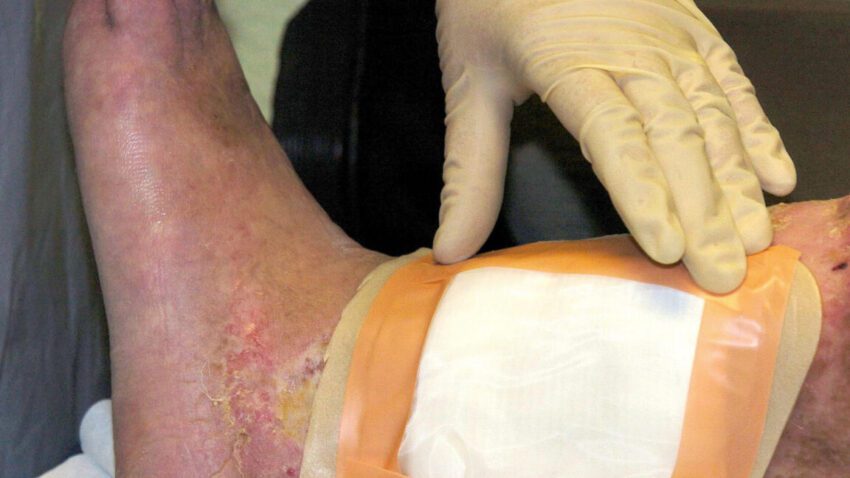
Maggot wound therapy, also known as biosurgery, involves the use of live maggots to clean necrotic tissue from wounds. This method has been employed for centuries, but it has seen a resurgence in recent years due to its effectiveness in treating difficult wounds that do not respond to conventional therapies. The larvae secrete enzymes that break down dead tissue while simultaneously promoting healing and preventing infection.
Mechanism of Action
The therapeutic benefits of maggot therapy stem from several key actions:
- Debridement: Maggots consume dead and infected tissue, effectively cleaning the wound.
- Antimicrobial Properties: The secretions from maggots contain substances that inhibit bacterial growth, helping to prevent infections.
- Promotion of Healing: The presence of maggots stimulates the body’s healing processes, encouraging the formation of new tissue.
Market Implications
Cuprina Holdings’ achievement in securing FDA approval for two species of therapeutic larvae places it in a unique position within the maggot therapy market. The company is poised to capitalize on the growing acceptance of maggot therapy in clinical settings, particularly as healthcare providers seek effective solutions for chronic wounds.
Competitive Landscape
With the FDA’s approval of Lucilia cuprina, Cuprina Holdings stands out in a niche market that has historically been dominated by a few key players. The company’s ability to offer both species of fly larvae could provide it with a competitive edge, allowing healthcare providers to choose the most suitable option for their patients based on specific wound types and conditions.
Potential for Global Expansion
The global market for wound care is projected to grow significantly in the coming years, driven by an aging population, rising incidences of chronic diseases, and an increasing prevalence of diabetic ulcers and pressure sores. As healthcare systems worldwide look for innovative and effective treatment options, the demand for maggot therapy may also rise. Cuprina Holdings is well-positioned to expand its reach beyond Singapore, potentially tapping into markets in North America, Europe, and Asia.
Regulatory Landscape
The FDA’s approval process for medical therapies, including those involving live organisms, is rigorous. Cuprina Holdings’ successful navigation of this process underscores the safety and efficacy of its products. The company must continue to adhere to stringent regulatory standards to maintain its approvals and ensure the quality of its therapeutic larvae.
Research and Development
Ongoing research into the applications of maggot therapy is crucial for expanding its use in modern medicine. Studies have shown that maggot therapy can be effective in treating a variety of wound types, including diabetic ulcers, venous leg ulcers, and post-surgical wounds. Cuprina Holdings may invest in further research to explore the full potential of Lucilia cuprina and its applications in different medical contexts.
Stakeholder Reactions
The announcement of the FDA clearance has elicited a range of reactions from stakeholders in the healthcare and medical research communities. Many experts view this development as a positive step toward integrating alternative therapies into mainstream medicine. The endorsement by the FDA lends credibility to maggot therapy, which has historically faced skepticism.
Healthcare Providers
Healthcare providers who specialize in wound care are likely to welcome the introduction of Lucilia cuprina as a new option for treating complex wounds. The ability to choose between two FDA-approved species may enhance treatment personalization, allowing providers to tailor therapies to individual patient needs.
Patients
For patients, the approval of a second species of therapeutic larvae could mean improved outcomes in wound healing. As awareness of maggot therapy grows, patients may become more open to considering it as a viable treatment option, especially when traditional methods have failed.
Challenges Ahead
Despite the promising outlook for maggot therapy, challenges remain. Public perception of maggot therapy can be a barrier to acceptance, as many individuals may have preconceived notions about the use of live insects in medical treatment. Educational initiatives aimed at both healthcare providers and patients will be essential to address these concerns and promote understanding of the benefits of maggot therapy.
Cost and Accessibility
Another challenge is the cost and accessibility of maggot therapy. While it may be effective, the financial implications for patients and healthcare systems must be considered. Cuprina Holdings will need to work with healthcare providers and insurers to ensure that maggot therapy is covered and accessible to those who need it.
Conclusion
The FDA’s approval of Lucilia cuprina for maggot wound therapy represents a significant advancement in the field of wound care. Cuprina Holdings is now uniquely positioned to lead the market with its dual offerings of FDA-approved fly larvae. As the healthcare landscape continues to evolve, the integration of innovative therapies like maggot therapy could play a crucial role in improving patient outcomes and addressing the challenges of chronic wounds.
Source: Original report
Was this helpful?
Explore more: More General Technology Tech News Blog
Last Modified: June 18, 2026 at 1:36 pm
6 views