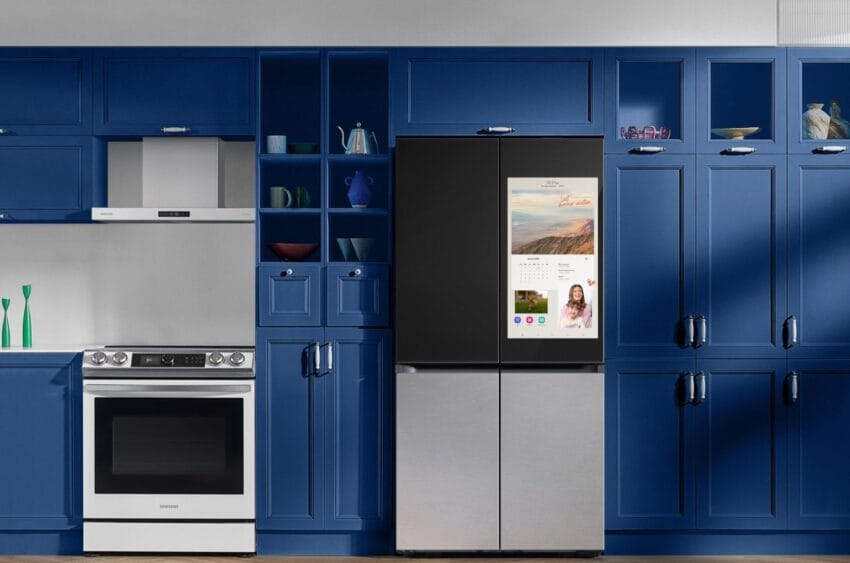
samsung brings ads to us fridges Samsung has initiated a pilot program that introduces advertisements to its Family Hub refrigerators in the United States, marking a significant shift in how smart appliances interact with consumers.
samsung brings ads to us fridges
Overview of the Pilot Program
Samsung’s recent software update is set to transform the Family Hub refrigerators into platforms for “promotions and curated advertisements.” This development comes despite the company’s earlier assurances in April that there were “no plans” to include ads in their appliances. The pilot program aims to enhance the perceived value of owning a Samsung smart fridge, a move that has sparked both curiosity and skepticism among consumers.
Details of the Update
The update will be delivered over-the-network (OTN) and includes new Terms of Service (T&C) and a Privacy Notice (PN). The advertisements will be displayed on the Cover Screens of certain Family Hub refrigerator models when the screens are idle. This feature is designed to engage users while they are not actively using the fridge’s smart functionalities.
Samsung has clarified that the design format of the ads may vary based on the personalization options selected by users for their Cover Screens. Importantly, advertisements will not appear when the Cover Screen is in Art Mode or displaying picture albums, allowing users to maintain a degree of control over their viewing experience.
User Interaction with Ads
One notable aspect of this pilot program is that users will have the option to dismiss the advertisements shown on the Cover Screens. Once an ad is dismissed, it will not reappear during the campaign period, providing a level of customization for users who may not wish to see certain promotions repeatedly.
Consumer Reactions
The announcement of ads on refrigerators has been met with incredulity on platforms like Reddit, where users expressed their disbelief at the idea of advertisements invading their kitchen appliances. Many commenters questioned the necessity of ads in a product that is already a significant investment. This skepticism highlights a broader concern about the commercialization of everyday household items.
Historical Context
This move is not entirely unexpected, given Samsung’s history with advertising in its products. The company has been integrating ads into its smart TVs for over a decade. As part of its “screens everywhere” initiative, Samsung has been exploring various avenues to monetize its devices, and the introduction of ads in refrigerators appears to be a natural extension of this strategy.
Implications for the Smart Appliance Market
The introduction of ads in smart appliances raises several important questions about the future of consumer electronics. As manufacturers look for new revenue streams, the integration of advertising into everyday products could become more common. This trend may lead to a shift in how consumers perceive the value of their appliances.
Potential Benefits for Samsung
For Samsung, the pilot program could provide a new revenue stream that helps offset the costs of developing and maintaining smart appliance technology. By offering curated advertisements, the company can also enhance user engagement with its products, potentially leading to increased brand loyalty. If successful, this initiative could pave the way for similar programs across other product lines.
Challenges and Risks
However, the introduction of ads is not without its challenges. Consumer backlash could pose a significant risk to Samsung’s reputation. If users feel that their appliances are being overly commercialized, it could lead to decreased satisfaction and loyalty. Additionally, privacy concerns may arise regarding how user data is utilized to target advertisements, which could further complicate the reception of this initiative.
Stakeholder Perspectives
Various stakeholders have expressed differing views on the introduction of advertisements in smart appliances. Consumers, industry analysts, and privacy advocates all have unique perspectives that contribute to the broader conversation.
Consumer Perspectives
From a consumer standpoint, the introduction of ads in refrigerators may be seen as an unwelcome intrusion into a space that is traditionally free from commercial influence. Many users may feel that they have already paid a premium for their appliances and should not have to endure additional advertising. This sentiment is particularly strong among those who prioritize a seamless and unobtrusive user experience.
Industry Analysts’ Views
Industry analysts have noted that while the introduction of ads may be controversial, it reflects a broader trend in the smart appliance market. As competition increases, manufacturers are seeking innovative ways to differentiate their products and generate revenue. Analysts suggest that Samsung’s move could prompt other companies to explore similar advertising strategies, potentially reshaping the landscape of consumer electronics.
Privacy Advocates’ Concerns
Privacy advocates have raised concerns about the implications of targeted advertising in smart appliances. The use of personal data to tailor advertisements could lead to significant privacy issues, particularly if consumers are not fully informed about how their data is being used. This concern is amplified by the increasing scrutiny of data privacy practices across various industries.
Future of Smart Appliances
The introduction of advertisements in Samsung’s Family Hub refrigerators could signal a new era for smart appliances. As manufacturers continue to innovate and explore new revenue streams, consumers may need to adapt to a landscape where advertising becomes a common feature of everyday products.
Consumer Adaptation
Consumers may find themselves navigating a new reality where advertisements are integrated into their appliances. This could lead to a shift in purchasing behavior, with consumers becoming more discerning about the brands they choose based on their advertising practices. As a result, companies may need to strike a balance between monetization and maintaining customer satisfaction.
Long-Term Implications
In the long term, the success of this pilot program could influence how other manufacturers approach advertising in their products. If Samsung’s initiative proves profitable and well-received, it may encourage competitors to adopt similar strategies, leading to a more commercialized environment for smart appliances. This could ultimately reshape consumer expectations and experiences in the realm of home technology.
Conclusion
The pilot program introducing advertisements to Samsung’s Family Hub refrigerators represents a significant shift in the smart appliance market. While this initiative may offer potential benefits for Samsung, it also raises important questions about consumer acceptance, privacy, and the future of product commercialization. As the landscape of smart appliances continues to evolve, both manufacturers and consumers will need to navigate the complexities of this new reality.
Source: Original report
Was this helpful?
Explore more: More Consumer Technology Tech News Blog
Last Modified: September 18, 2025 at 3:37 pm
19 views