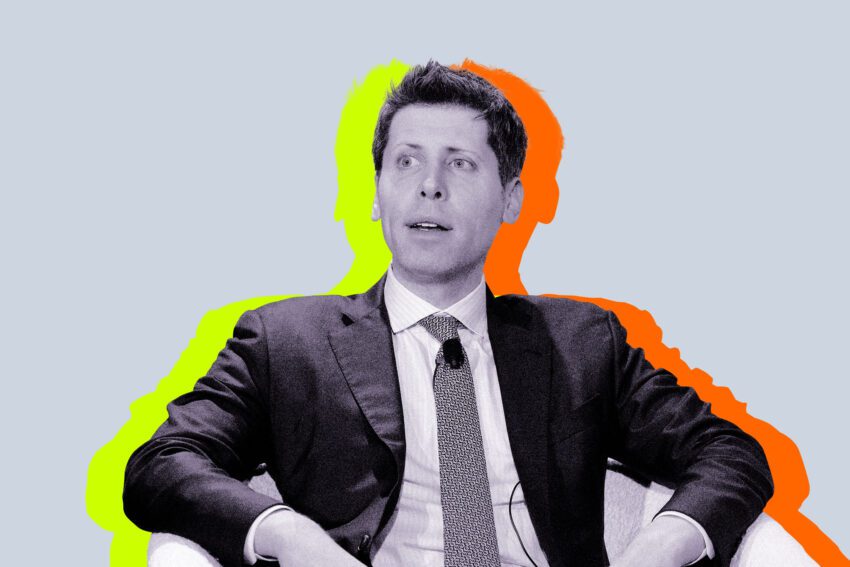
sam altman says elon musk s mind Sam Altman, the CEO of OpenAI, has publicly criticized Elon Musk’s management style, stating that it caused significant damage to the culture of the artificial intelligence startup.
sam altman says elon musk s mind
Background on OpenAI and Elon Musk’s Involvement
OpenAI was founded in December 2015 with the mission to ensure that artificial general intelligence (AGI) benefits all of humanity. The organization was established by a group of high-profile tech leaders, including Elon Musk, Sam Altman, and others, who aimed to advance digital intelligence in a way that is safe and beneficial. Musk, known for his leadership at Tesla and SpaceX, played a crucial role in the early stages of OpenAI, both financially and strategically.
However, Musk’s involvement with OpenAI was not without controversy. His approach to management and decision-making has often been characterized as aggressive and uncompromising, traits that have served him well in the fast-paced automotive and aerospace industries. Yet, these same traits have raised questions about their suitability in a research-driven environment like OpenAI.
Altman’s Testimony and Critique of Musk’s Management Style
During a recent court hearing related to Musk’s ongoing lawsuit against OpenAI, Sam Altman provided insights into the impact of Musk’s leadership on the organization. He described Musk’s management style as “huge damage” to the culture of OpenAI. This statement came during a line of questioning from Altman’s lawyer, William Savitt, who sought to understand the ramifications of Musk’s departure from the organization.
Altman specifically pointed to a controversial practice initiated by Musk, which involved requiring OpenAI president Greg Brockman and former chief scientist Ilya Sutskever to rank researchers based on their accomplishments. He described this as a process that involved “taking a chainsaw through a bunch,” which metaphorically suggests a brutal and unyielding approach to evaluating talent and contributions within the organization.
Altman acknowledged that Musk’s management style was consistent with what many have come to expect from him, particularly in his other ventures. However, he argued that such an approach was fundamentally incompatible with the ethos of a research lab. “I don’t think Mr. Musk understood how to run a good research lab,” Altman stated, emphasizing the need for a collaborative and supportive environment to foster innovation and creativity.
The Impact on Morale and Culture
Altman’s testimony raised concerns about the broader implications of Musk’s management style on the morale of OpenAI employees. The culture of a research organization is critical to its success, and Altman suggested that Musk’s approach may have stifled creativity and collaboration among researchers. In a field as dynamic and rapidly evolving as artificial intelligence, fostering an environment where ideas can flourish is essential.
When asked about the impact of Musk’s departure on employee morale, Altman noted a positive shift. He indicated that the atmosphere at OpenAI improved after Musk stepped away from the organization, allowing for a more collaborative and less contentious environment. This change appears to have contributed to a renewed focus on OpenAI’s mission and objectives, enabling the organization to pursue its goals more effectively.
Stakeholder Reactions
The revelations from Altman’s testimony have sparked a range of reactions from stakeholders within the tech community. Some industry experts have echoed Altman’s sentiments, arguing that a collaborative culture is essential for research-driven organizations. They contend that the aggressive management style often associated with Musk may not translate well into environments that require creativity and innovation.
On the other hand, supporters of Musk argue that his approach has led to significant advancements in technology and innovation across his companies. They maintain that his high expectations and rigorous evaluation processes have driven teams to achieve remarkable results. This dichotomy presents a complex picture of leadership styles in the tech industry, particularly in fields as transformative as artificial intelligence.
The Future of OpenAI
As OpenAI moves forward, the organization faces the challenge of balancing innovation with a healthy workplace culture. Altman’s critique of Musk’s management style serves as a reminder of the importance of leadership approaches that foster collaboration and creativity. The lessons learned from this experience may influence how OpenAI and similar organizations structure their teams and evaluate performance in the future.
Moreover, as the AI landscape continues to evolve, OpenAI’s commitment to its mission of ensuring that AGI benefits all of humanity remains paramount. The organization is at the forefront of AI research and development, and its leadership must navigate the complexities of innovation while maintaining a supportive and inclusive environment for its researchers.
Conclusion
Sam Altman’s testimony regarding Elon Musk’s impact on OpenAI highlights the critical importance of management style in shaping organizational culture, particularly in research-driven environments. While Musk’s aggressive approach may have yielded results in other sectors, its application within OpenAI appears to have been detrimental to the collaborative spirit necessary for groundbreaking research. As OpenAI continues to evolve, the lessons learned from this chapter will likely inform its future leadership strategies and organizational practices.
Source: Original report
Was this helpful?
Explore more: More Business & Startups Tech News Blog
Last Modified: May 12, 2026 at 11:41 pm
15 views