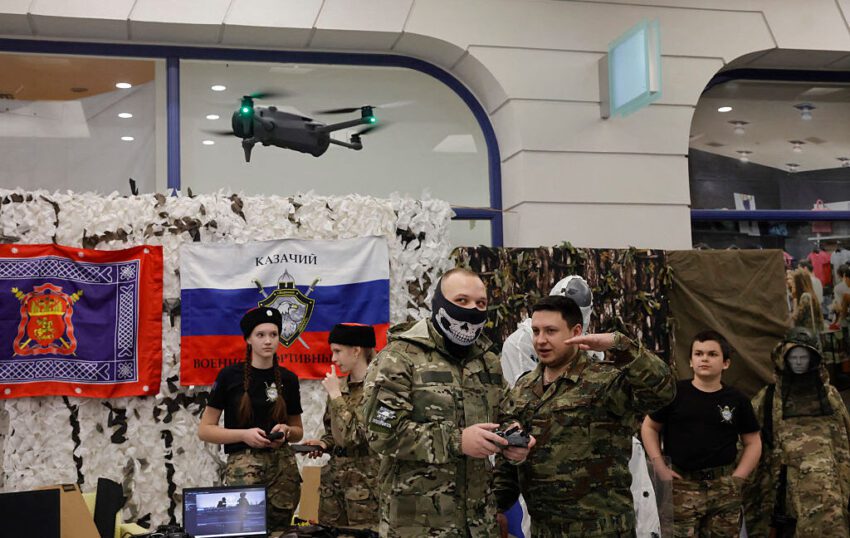
russia pressures university students to become wartime In a significant development, Russian universities are actively recruiting students to serve as drone pilots for the military, offering enticing incentives such as free tuition and substantial financial rewards.
russia pressures university students to become wartime
Recruitment Initiatives in Russian Universities
In an effort to bolster its military capabilities amid ongoing conflict, the Russian government is turning to its educational institutions to recruit a new generation of drone pilots. Universities across the country are promoting military service as a viable career path, particularly in the wake of the full-scale invasion of Ukraine that began in February 2022. The recruitment drive is especially targeting students with technical skills, including those in fields like electronics and computer engineering.
Incentives Offered to Students
According to reports from Bloomberg, one of the most notable recruitment offers was made at Bauman Moscow State Technical University, where pamphlets were distributed promising free tuition and financial compensation of up to $70,000 for students willing to serve as drone pilots for a year. This initiative is framed as an opportunity for students to contribute to their country while avoiding the dangers associated with frontline combat duty in Ukraine.
However, the reality of this recruitment strategy is more complex. Despite assurances of safety, there has already been at least one confirmed battlefield death among these newly recruited student drone pilots, raising questions about the true risks involved in such positions. The independent magazine Groza reported that at least 270 Russian academic institutions are now promoting military contracts to their students, indicating a widespread effort to fill the ranks of the military with young, tech-savvy individuals.
Broader Context of Military Recruitment
This recruitment initiative is part of a broader trend in Russia, where the military is increasingly relying on technology and skilled personnel to enhance its operational capabilities. The Defense Ministry has specifically called for recruits with expertise in flying drones, model aircraft, electronics, and radio engineering. Additionally, computer skills are highly desirable, making this recruitment drive particularly appealing to students in technical fields.
The demographic being targeted is significant, with approximately 2 million men currently attending Russian universities. This population includes not only engineering and technology students but also gamers and other individuals with relevant skills that could be adapted for drone operation. The military’s focus on recruiting from this demographic underscores the importance of technology in modern warfare and the need for skilled personnel to operate advanced military equipment.
Implications of the Recruitment Drive
The implications of this recruitment strategy are multifaceted. On one hand, it reflects the Russian government’s recognition of the need for a technologically adept military force. On the other hand, it raises ethical concerns regarding the exploitation of young students who may feel pressured to enlist in military service due to financial incentives and the promise of educational benefits.
Ethical Considerations
The recruitment of university students into military roles, particularly in a conflict zone, poses significant ethical questions. Many students may be drawn to the financial incentives offered, such as loan forgiveness, tax holidays, and even free land in some cases. However, the potential for loss of life and the psychological toll of participating in warfare cannot be overlooked.
Furthermore, the framing of this recruitment as a safe alternative to frontline combat may be misleading. The reality of modern warfare, especially with the increasing use of drones, often blurs the lines between combat and non-combat roles. Students who enlist as drone pilots may find themselves in dangerous situations, despite assurances to the contrary.
Reactions from Stakeholders
Reactions to this recruitment initiative have been mixed. Some stakeholders, including university administrators and government officials, may view this as a necessary step to support the military and ensure national security. However, there are also voices of dissent, particularly from human rights advocates and concerned citizens who argue that this approach exploits young people and undermines their right to choose their career paths freely.
Critics argue that the pressure to enlist in military service, especially under the guise of educational benefits, constitutes a form of coercion. The recruitment tactics employed by universities may lead to a culture where students feel obligated to sacrifice their personal aspirations for the sake of national duty. This could have long-term implications for the educational landscape in Russia, as students may prioritize military service over their academic and career goals.
The Role of Technology in Modern Warfare
The increasing reliance on technology in military operations has transformed the nature of warfare. Drones have become a pivotal component of modern combat strategies, allowing for surveillance, reconnaissance, and targeted strikes with minimal risk to personnel. As such, the demand for skilled drone operators has surged, prompting military organizations worldwide to seek out individuals with the necessary technical expertise.
Global Trends in Military Recruitment
Russia’s recruitment drive is not an isolated phenomenon; similar trends can be observed in other countries as well. Many nations are recognizing the importance of technology in warfare and are adapting their recruitment strategies accordingly. For instance, the United States has also sought to attract tech-savvy individuals into military roles, offering scholarships and educational benefits to those who enlist.
This global trend raises questions about the future of military service and the role of education in shaping the next generation of soldiers. As technology continues to evolve, the skills required for military service will likely shift, placing a premium on individuals who can navigate complex systems and operate advanced equipment.
Potential Consequences for Students
For students considering military service as a drone pilot, the decision may come with significant consequences. While the financial incentives may be appealing, the reality of serving in a conflict zone can lead to physical and emotional challenges. The psychological impact of warfare, even from a distance, can be profound, and students may find themselves grappling with the moral implications of their actions.
Moreover, the long-term career prospects for those who serve as drone pilots may be uncertain. While the skills gained during military service may be applicable in civilian roles, the stigma associated with military involvement in a controversial conflict could affect future employment opportunities. Students must weigh the immediate benefits against the potential long-term repercussions of their decisions.
Conclusion
The recruitment of university students in Russia to serve as drone pilots reflects a significant shift in military strategy, emphasizing the importance of technology in modern warfare. While the financial incentives and educational benefits may attract many young individuals, the ethical implications and potential risks associated with military service cannot be ignored. As this trend continues to evolve, it will be crucial for students, educators, and policymakers to engage in open discussions about the responsibilities and consequences of military involvement in contemporary society.
Source: Original report
Was this helpful?
Explore more: More General Technology Tech News Blog
Last Modified: May 16, 2026 at 3:35 pm
18 views