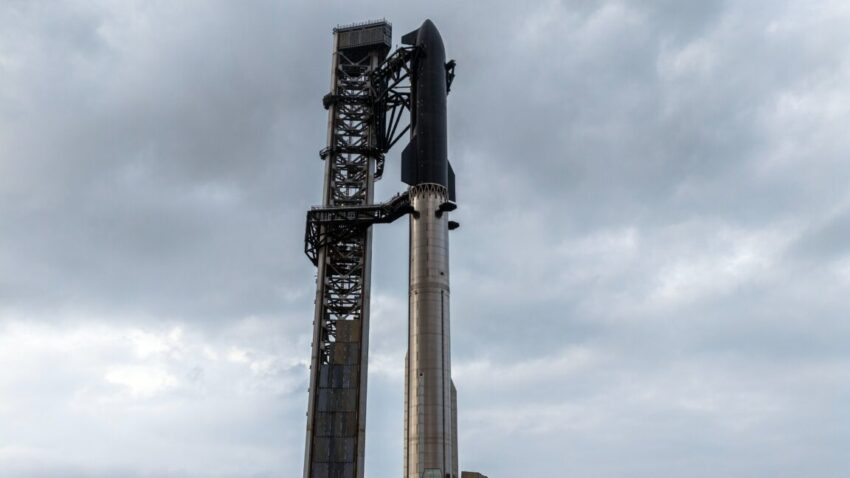
rocket report starship launch delayed german launch SpaceX’s highly anticipated Starship launch faced delays due to a ground system issue, highlighting the challenges of new aerospace technology.
rocket report starship launch delayed german launch
Starship Launch Delay
In a much-anticipated event, SpaceX nearly launched its Starship rocket on Thursday in South Texas, only to be thwarted by a ground system issue. This setback is not entirely surprising, given that both the rocket and the associated ground systems are largely new technologies. SpaceX has been pushing the boundaries of aerospace engineering, and such delays are often part of the testing process for cutting-edge hardware.
The company plans to attempt another launch as soon as Friday evening, underscoring the urgency and high stakes involved. The Starship program is pivotal not only for SpaceX but also for the broader U.S. spaceflight enterprise. The success of this launch could have far-reaching implications for future missions, including crewed flights to Mars and the establishment of a sustainable lunar presence.
Technical Challenges
SpaceX’s Starship represents a significant leap in rocket technology, designed for missions that require heavy payload capacities and reusability. However, the complexity of integrating new systems often leads to unforeseen challenges. The ground system issue that delayed the launch is a reminder of the intricate interplay between various components of a space mission. Each element, from fueling systems to telemetry, must work flawlessly to ensure a successful launch.
As SpaceX continues to refine its technology, the company is also learning valuable lessons that can be applied to future missions. The iterative nature of aerospace development means that each setback provides critical data that can improve the reliability and performance of the rocket.
Implications for Future Missions
The stakes for SpaceX are particularly high as the company aims to solidify its position as a leader in the space industry. A successful Starship launch could pave the way for a series of ambitious missions, including lunar landings and interplanetary exploration. NASA’s Artemis program, which aims to return humans to the Moon, is closely tied to the success of the Starship program. SpaceX has been contracted to provide lunar lander services, and any delays in the Starship program could have cascading effects on NASA’s timeline.
Moreover, the implications extend beyond SpaceX and NASA. The success of the Starship program could inspire further investment in space technology and exploration from both public and private sectors. As the commercial space industry continues to grow, the outcomes of these missions will likely influence policy decisions and funding allocations for future space endeavors.
Firefly Aerospace Expands Operations
In another significant development in the aerospace sector, Firefly Aerospace announced on Tuesday that it has expanded its operations in Central Texas. The company has moved into a new headquarters, increased its cleanroom space, and added an innovation lab to support its growing workforce and accelerate spacecraft production. This expansion is indicative of the increasing demand for launch services and the competitive landscape of the small satellite launch market.
New Facilities
The expansion includes two new buildings adjacent to Firefly’s existing spacecraft facility in Cedar Park, Texas. This consolidation allows for a single campus totaling 144,000 square feet dedicated to various aspects of spacecraft development. The new facilities will support spacecraft assembly and testing, mission control, avionics and component production, engineering, and business operations.
Firefly’s growth reflects the broader trend in the aerospace industry, where companies are scaling up to meet the rising demand for satellite launches. The small satellite market has exploded in recent years, driven by advancements in technology and the increasing need for data from space. Firefly’s Alpha rocket, designed for small payloads, aims to capture a share of this burgeoning market.
Strategic Importance of Expansion
The expansion of Firefly Aerospace is not just a response to current demand; it is also a strategic move to position the company for future growth. By enhancing its facilities and capabilities, Firefly aims to streamline its operations and improve efficiency. This is particularly important in a competitive market where time-to-launch can be a critical factor for customers.
Furthermore, the addition of an innovation lab indicates Firefly’s commitment to research and development. This focus on innovation is essential for maintaining a competitive edge in the rapidly evolving aerospace sector. As technology continues to advance, companies that invest in R&D are more likely to succeed in bringing new and improved products to market.
Industry Reactions
The recent developments involving SpaceX and Firefly Aerospace have elicited a range of reactions from industry stakeholders. Experts and analysts are closely monitoring the situation, recognizing the potential implications for the future of space exploration and commercial launches.
SpaceX’s Position
For SpaceX, the delay in the Starship launch is a moment of reflection but also an opportunity for growth. The company has built a reputation for overcoming challenges, and its ability to quickly adapt and resolve issues will be crucial in maintaining its leadership position. Industry insiders note that SpaceX’s resilience in the face of setbacks has often led to breakthroughs that benefit not only the company but the entire aerospace sector.
Firefly’s Growth Trajectory
Firefly Aerospace’s expansion has been met with optimism from investors and industry experts. The company’s strategic moves are seen as a proactive approach to capitalize on the growing demand for satellite launches. Analysts believe that Firefly’s focus on small payloads positions it well in a market that is increasingly leaning towards smaller, more cost-effective solutions.
Moreover, the establishment of a new headquarters and innovation lab is viewed as a sign of confidence in the company’s future. As more companies enter the small satellite launch market, Firefly’s ability to innovate and adapt will be key to its success.
Looking Ahead
As both SpaceX and Firefly Aerospace navigate their respective challenges and opportunities, the future of the aerospace industry remains dynamic and promising. The developments surrounding the Starship program and Firefly’s expansion are just two examples of the rapid evolution occurring in this sector.
SpaceX’s next attempt to launch Starship will be closely watched, not only for its immediate impact but also for its potential to shape the future of space exploration. A successful launch could serve as a catalyst for further advancements in technology and policy, while a delay could prompt a reevaluation of timelines and strategies.
Similarly, Firefly’s growth will be a focal point for those interested in the small satellite launch market. As the company enhances its capabilities, it will be interesting to see how it competes with other players in the field and how it adapts to the changing landscape of space technology.
In conclusion, the aerospace industry is at a pivotal moment, with significant developments unfolding that could redefine the future of space exploration and commercial launches. Stakeholders across the spectrum are keenly observing these events, recognizing their potential to influence the trajectory of the industry for years to come.
Source: Original report
Was this helpful?
Explore more: DevOps Services More Cloud & DevOps Tech News
Last Modified: May 22, 2026 at 6:38 pm
14 views