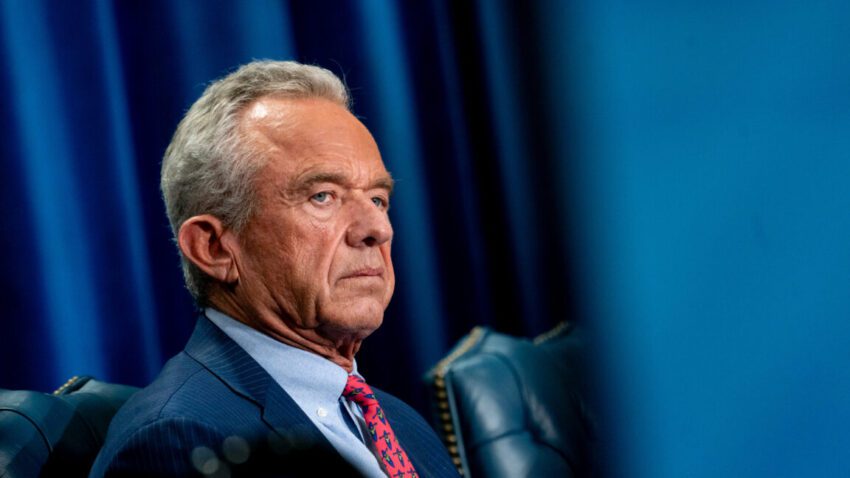
rfk jr has destroyed over a quarter Robert F. Kennedy Jr., serving as health secretary, has significantly altered the landscape of the Centers for Disease Control and Prevention’s (CDC) advisory panels, raising concerns about the integrity of public health guidance.
rfk jr has destroyed over a quarter
Background on Robert F. Kennedy Jr.
Robert F. Kennedy Jr. is a prominent figure in the anti-vaccine movement, known for his long-standing opposition to vaccines and skepticism toward established scientific consensus. Despite his familial ties to political royalty as the son of Robert F. Kennedy and nephew of President John F. Kennedy, his qualifications for the role of health secretary are questionable. Kennedy lacks formal training in science, medicine, or public health, which raises alarms regarding his ability to make informed decisions that affect public health policy.
The Role of the Advisory Committee on Immunization Practices (ACIP)
The Advisory Committee on Immunization Practices (ACIP) plays a critical role in shaping vaccination policies in the United States. This committee is responsible for developing recommendations on the use of vaccines in the civilian population, which in turn influences insurance coverage and state school vaccination requirements. The integrity and expertise of ACIP are vital for maintaining public trust in vaccination programs and ensuring that health policies are based on sound scientific evidence.
Changes Implemented by Kennedy
In June, Kennedy took a controversial step by dismissing all 17 independent experts who comprised ACIP. This unprecedented move was met with widespread criticism from public health officials, scientists, and advocates for evidence-based medicine. Following the dismissal, Kennedy appointed a new panel largely filled with individuals who share his anti-vaccine beliefs and lack the necessary qualifications to provide sound guidance on immunization practices.
The newly constituted ACIP held several meetings that were characterized by chaos and a lack of scientific rigor. During these meetings, members voted to implement changes to vaccine policies that aligned with Kennedy’s anti-vaccine agenda, often without any credible scientific backing. This shift has raised significant concerns about the potential ramifications for public health, as the new guidelines could undermine vaccination efforts and contribute to a decline in immunization rates.
Legal Challenges and Implications
The blatant undermining of ACIP’s integrity did not go unnoticed. A federal judge recently intervened, temporarily blocking the newly installed ACIP members and the anti-vaccine changes they had made to CDC guidance. This legal action highlights the serious implications of Kennedy’s actions and the potential for long-lasting damage to public health policy if such changes are allowed to stand.
Wider Impact on Other Advisory Committees
While the corruption of ACIP has garnered significant attention, it is far from the only advisory committee that Kennedy has affected. Reports indicate that he has similarly dismantled or compromised other expert panels within the health department. This pattern of behavior raises alarms about the broader implications for public health governance and the reliability of health recommendations issued by the CDC.
Stakeholder Reactions
The reactions to Kennedy’s actions have been swift and varied. Public health experts and organizations have expressed deep concern over the erosion of scientific expertise within the CDC. Many fear that the changes could lead to a resurgence of vaccine-preventable diseases, as public confidence in vaccines may wane due to the lack of credible guidance.
Organizations such as the American Public Health Association (APHA) and the Infectious Diseases Society of America (IDSA) have issued statements condemning Kennedy’s actions. They emphasize the importance of maintaining independent, scientifically informed advisory panels to ensure that public health recommendations are based on the best available evidence.
Public Sentiment and Misinformation
The ongoing battle over vaccine policy is not just a matter of scientific debate; it is also deeply intertwined with public sentiment and the spread of misinformation. Kennedy’s anti-vaccine stance resonates with a segment of the population that is increasingly skeptical of government health recommendations. This skepticism has been fueled by a broader culture of distrust in institutions, exacerbated by the COVID-19 pandemic and the rapid dissemination of misinformation through social media platforms.
As a result, Kennedy’s actions may have far-reaching consequences beyond the immediate changes to ACIP. The potential for increased vaccine hesitancy could lead to public health crises, as communities become more susceptible to outbreaks of diseases that were previously under control.
The Future of Public Health Policy
The ongoing situation raises critical questions about the future of public health policy in the United States. If Kennedy’s approach to advisory committees becomes the norm, the integrity of health recommendations could be compromised, leading to a reliance on politically motivated agendas rather than evidence-based science. This shift could have dire consequences for the health of the population, particularly for vulnerable groups who rely on vaccines for protection against infectious diseases.
Restoring Trust in Public Health
Restoring trust in public health institutions will require concerted efforts from various stakeholders, including government officials, public health experts, and community leaders. Transparency in decision-making processes, adherence to scientific principles, and a commitment to evidence-based policy will be essential in rebuilding public confidence.
Moreover, it is crucial to engage with communities that are hesitant about vaccines and address their concerns through education and outreach. Efforts to combat misinformation and promote accurate information about vaccines will be vital in reversing the trend of vaccine hesitancy exacerbated by figures like Kennedy.
Conclusion
Robert F. Kennedy Jr.’s actions as health secretary have raised significant concerns about the integrity of public health policy in the United States. By dismantling expert advisory panels and promoting an anti-vaccine agenda, he has jeopardized the credibility of the CDC and the health recommendations it issues. The recent legal intervention serves as a reminder of the importance of maintaining scientific integrity in public health governance. As the nation grapples with these challenges, it is imperative to prioritize evidence-based practices and restore trust in public health institutions to safeguard the health of the population.
Source: Original report
Was this helpful?
Explore more: More General Technology Tech News Blog
Last Modified: March 20, 2026 at 9:35 am
13 views