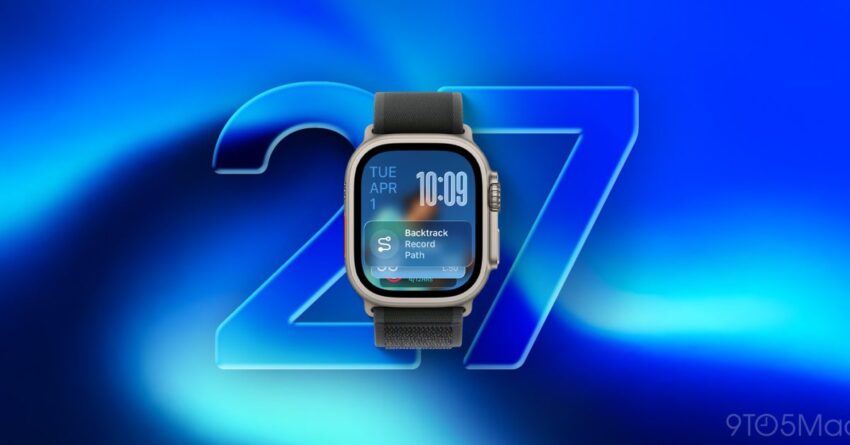
report watchos 27 to improve heart-rate tracking Apple is reportedly set to enhance heart-rate tracking capabilities in watchOS 27, while the anticipated launch of its AI-powered health coach, Project Mulberry, may be delayed.
report watchos 27 to improve heart-rate tracking
Overview of watchOS 27 Enhancements
The upcoming release of watchOS 27 is generating significant interest, particularly regarding its improvements in heart-rate tracking. This update is expected to refine the accuracy and functionality of heart-rate monitoring, a feature that has become increasingly important for users who rely on their Apple Watches for fitness and health tracking. Apple has consistently positioned its wearable technology as a leader in health and fitness, and these enhancements could further solidify that reputation.
Current State of Heart-Rate Tracking
Heart-rate tracking has been a core feature of the Apple Watch since its inception. The device uses photoplethysmography (PPG) technology to measure heart rate by detecting blood flow through the wrist. While this technology has proven effective for general monitoring, users have reported occasional inaccuracies, particularly during high-intensity workouts or in specific physiological conditions.
With the introduction of watchOS 27, Apple aims to address these limitations. The improvements are expected to enhance the precision of heart-rate measurements, providing users with more reliable data. This could be particularly beneficial for athletes and individuals managing health conditions that require close monitoring of heart rate.
Project Mulberry: The AI Health Coach
Project Mulberry has been a topic of discussion within the tech community for over a year. This initiative aims to create an AI-powered health coach that would provide personalized health and fitness advice based on user data. The concept aligns with Apple’s broader strategy to integrate health and wellness features into its ecosystem, leveraging machine learning and artificial intelligence.
Initial Expectations and Scaling Back
Initially, Project Mulberry was expected to debut alongside watchOS 27, offering users a comprehensive health management tool that could analyze heart rate data, exercise habits, and other health metrics to deliver tailored recommendations. However, reports from Bloomberg’s Mark Gurman indicate that the project has been scaled back. While the features are still anticipated for inclusion in iOS 27, their release may not coincide with the launch of watchOS 27.
This delay raises questions about the future of Project Mulberry and its integration with existing Apple health features. Users have been eager to see how this AI health coach could complement the Apple Watch’s capabilities, particularly in light of the anticipated improvements in heart-rate tracking.
Implications of Delayed Launch
The potential delay of Project Mulberry could have several implications for Apple and its user base. First, it may affect the overall user experience for those who were looking forward to a more integrated health management system. The AI health coach was expected to provide insights that could enhance the effectiveness of fitness tracking and health monitoring, making it a valuable addition to the Apple ecosystem.
Market Competition
In the competitive landscape of wearable technology, the delay could also impact Apple’s position relative to competitors such as Fitbit, Garmin, and Samsung. These companies are continually innovating and expanding their health and fitness features, and a delay in Apple’s AI health coach could allow competitors to gain an edge. Users seeking comprehensive health solutions may turn to alternative devices that offer similar or more advanced features.
Stakeholder Reactions
Reactions from stakeholders, including developers, health professionals, and consumers, have been mixed. Many developers are eager to see how Apple will integrate AI into its health offerings, while health professionals express cautious optimism about the potential benefits of an AI health coach. Consumers, on the other hand, are left waiting for clarity on when they can expect these features to be available.
Future of Health Tracking on Apple Devices
Despite the uncertainty surrounding Project Mulberry, the enhancements in heart-rate tracking for watchOS 27 signal Apple’s commitment to advancing health technology. The company has invested heavily in health-related research and development, and these efforts are likely to continue shaping the future of health tracking on Apple devices.
Integration with Other Health Features
Improved heart-rate tracking could also pave the way for better integration with other health features on the Apple Watch, such as activity tracking, sleep monitoring, and fitness coaching. By providing more accurate heart-rate data, Apple can enhance the overall functionality of its health ecosystem, allowing users to make more informed decisions about their health and fitness.
Potential for Future Innovations
Looking ahead, the advancements in heart-rate tracking may also lead to further innovations in health monitoring. For instance, Apple could explore the integration of additional biometric sensors or develop algorithms that analyze heart-rate variability, providing users with deeper insights into their cardiovascular health. Such developments could position Apple as a leader in the health technology space, attracting more users to its ecosystem.
Conclusion
As Apple prepares for the launch of watchOS 27, the anticipated improvements in heart-rate tracking represent a significant step forward in wearable health technology. While the delay of Project Mulberry raises questions about the future of Apple’s AI health coach, the enhancements in heart-rate monitoring are likely to provide users with valuable insights into their health and fitness. As the landscape of health technology continues to evolve, Apple remains committed to delivering innovative solutions that empower users to take control of their health.
Source: Original report
Was this helpful?
Explore more: Mobile App Development More Mobile Technology Tech News
Last Modified: May 24, 2026 at 10:38 pm
19 views