remember google stadia steam finally made its As the deadline approaches for saving the Google Stadia controller, gamers are finding new utility in the device as it becomes compatible with Steam and SteamOS.
remember google stadia steam finally made its
Background on Google Stadia
Launched in November 2019, Google Stadia aimed to revolutionize gaming by offering a cloud-based platform that allowed players to stream games directly to their devices without the need for traditional hardware. The service promised high-quality graphics and low latency, leveraging Google’s robust cloud infrastructure. However, despite initial excitement, Stadia struggled to gain traction in a competitive market dominated by established gaming consoles and PC gaming.
In January 2023, Google announced the closure of Stadia, citing a lack of user engagement and the challenges of competing in the gaming industry. The shutdown marked the end of an ambitious project that had garnered both praise and criticism. While the service was operational, it faced challenges such as a limited game library and issues with latency, which ultimately contributed to its downfall.
The Fate of the Stadia Controller
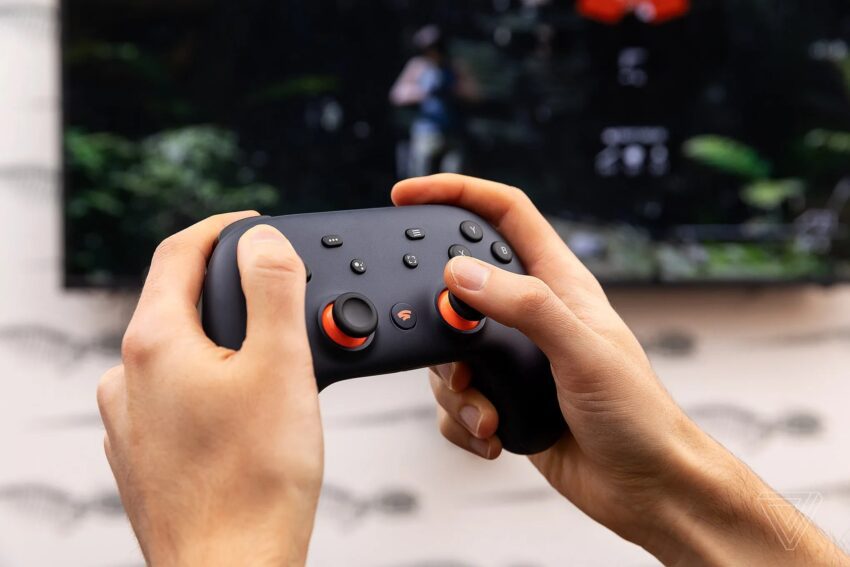
One of the most notable aspects of the Stadia experience was its controller. Designed to connect directly to the cloud, the Stadia controller featured a unique design and functionality that set it apart from traditional gamepads. Upon the service’s closure, Google offered refunds for hardware purchases and allowed users to repurpose the Stadia controller as a generic Bluetooth gamepad. This decision provided a lifeline for those who had invested in the device, allowing them to continue using it in a different capacity.
Transition to Steam Compatibility
In recent developments, the Stadia controller has gained recognition as a first-class citizen in Steam and SteamOS. This transition is significant for several reasons. First, it expands the potential user base for the controller, as Steam boasts millions of active users. Second, it enhances the functionality of the device, allowing gamers to utilize it across a wide range of titles available on the platform.
Steam’s compatibility with the Stadia controller means that users can now take advantage of its features, including customizable controls and a comfortable ergonomic design. The integration into Steam also allows for seamless connectivity, enabling players to easily pair the controller with their devices and start gaming without complicated setup processes.
Implications for Gamers
The impending deadline of December 31, 2025, adds urgency for gamers who wish to salvage their Stadia controllers. As the clock ticks down, players are encouraged to take advantage of the new compatibility with Steam. This development not only breathes new life into the Stadia controller but also highlights the importance of adaptability in the gaming industry.
For gamers who may have been hesitant to invest in additional controllers, the Stadia controller’s newfound compatibility presents an attractive option. The device can now serve as a versatile tool for gaming on multiple platforms, making it a valuable addition to any gamer’s arsenal. Furthermore, the ability to use the controller with Steam opens up a plethora of gaming experiences, from indie titles to AAA releases.
Community Reactions
The gaming community has responded positively to the news of the Stadia controller’s compatibility with Steam. Many users have taken to social media platforms to express their excitement and share tips on how to maximize the controller’s potential. Online forums have seen discussions about the best games to play with the Stadia controller, as well as comparisons with other popular gamepads.
Some gamers have noted that the Stadia controller’s unique features, such as its built-in microphone and capture button, provide added functionality that enhances the gaming experience. Others have pointed out that the controller’s design is comfortable for extended play sessions, making it a suitable option for both casual and hardcore gamers alike.
Technical Aspects of the Stadia Controller
The Stadia controller is equipped with several features that contribute to its appeal. It includes a standard layout with dual analog sticks, a D-pad, and shoulder buttons, similar to other modern gamepads. However, its standout feature is its ability to connect directly to Wi-Fi, allowing for low-latency gameplay when used with the Stadia service.
While the controller’s primary function was to connect to Google’s cloud gaming service, its transition to Bluetooth functionality has unlocked new possibilities. Users can now pair the controller with a variety of devices, including PCs, smartphones, and tablets, making it a versatile option for gaming on the go.
How to Set Up the Stadia Controller with Steam
Setting up the Stadia controller with Steam is a straightforward process. Here are the steps to get started:
- Ensure your Stadia controller is updated to the latest firmware. This can typically be done through the Stadia app on your mobile device.
- Put the Stadia controller into pairing mode by holding down the “Google Assistant” and “Capture” buttons simultaneously until the light starts flashing.
- On your PC, navigate to the Bluetooth settings and search for new devices.
- Select the Stadia controller from the list of available devices and complete the pairing process.
- Once paired, launch Steam and navigate to the controller settings to customize your controls if desired.
By following these steps, users can quickly integrate the Stadia controller into their gaming setup, allowing them to enjoy a wide range of titles on Steam.
Future of Gaming Controllers
The transition of the Stadia controller to a widely used platform like Steam raises questions about the future of gaming controllers in general. As the gaming landscape continues to evolve, the ability to repurpose hardware will become increasingly important. The Stadia controller’s journey serves as a case study in adaptability, showcasing how devices can find new life even after their original purpose has been rendered obsolete.
Moreover, this development may encourage other companies to consider similar strategies for their hardware. As the gaming industry becomes more competitive, the ability to pivot and adapt will be crucial for success. Companies may need to think creatively about how to extend the lifecycle of their products, ensuring that consumers can continue to derive value from their investments.
Conclusion
As the December 31, 2025, deadline approaches, the Stadia controller stands as a testament to the resilience of gaming hardware. With its newfound compatibility with Steam and SteamOS, the controller has transformed from a relic of a failed service into a valuable tool for gamers. This development not only enhances the functionality of the device but also highlights the importance of adaptability in the gaming industry.
For those who invested in the Stadia controller, the opportunity to repurpose it for use with Steam is a welcome development. As gamers continue to explore new titles and experiences, the Stadia controller may very well find its place among the ranks of beloved gaming peripherals.
Source: Original report
Was this helpful?
Explore more: More Gaming Tech News Blog
Last Modified: December 12, 2025 at 12:36 am
26 views