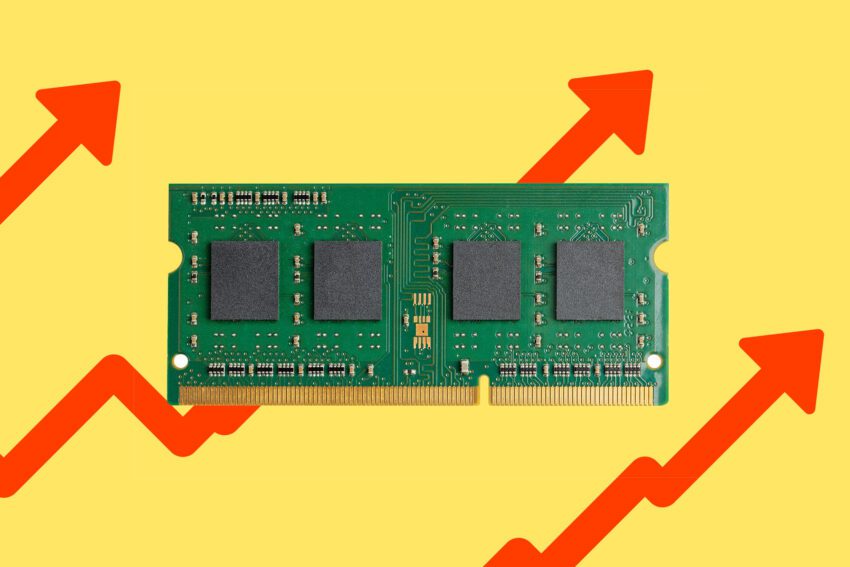
ram price hikes the latest on the The global shortage of RAM is leading to significant price increases across various consumer technology sectors.
ram price hikes the latest on the
Understanding RAM and Its Importance
Random Access Memory (RAM) is a crucial component in nearly every electronic device, from personal computers to smartphones and gaming consoles. It serves as the short-term memory of a device, enabling quick data access and processing. As technology continues to evolve, the demand for RAM has surged, particularly with the rise of artificial intelligence (AI) applications. Companies such as OpenAI, Anthropic, Google, and Meta are heavily reliant on RAM to power their extensive data centers, which require vast amounts of memory to handle complex computations and large datasets.
The Shift in Production Focus
In response to the growing demand from AI companies, the world’s leading memory manufacturers—Samsung, SK Hynix, and Micron—are reallocating their resources. This shift is primarily driven by the more lucrative contracts offered by AI firms, which are willing to pay a premium for high-performance memory solutions. As a result, these manufacturers are prioritizing production for AI applications over consumer-focused products.
Impact on Consumer Products
This strategic pivot has led to a significant shortage of RAM for consumer electronics. The implications are far-reaching, affecting not only individual consumers but also manufacturers of a wide array of devices. The shortage has resulted in increased prices for RAM kits, which are essential for PC builders and gamers. Additionally, manufacturers of laptops, smartphones, and gaming consoles are feeling the pinch, as they struggle to secure the necessary components to meet consumer demand.
Price Increases Across the Board
As a direct consequence of the RAM shortage, many companies have already begun raising prices. For instance, Raspberry Pi, a popular manufacturer of small single-board computers, has announced price hikes on its products. This increase is attributed to the rising costs of RAM, which is a key component in their devices. Other companies are also bracing for similar price adjustments in the near future, as the supply chain continues to be disrupted.
Specific Cases of Price Hikes
Crucial’s Shutdown
One notable case in the current landscape is Crucial, a brand under Micron Technology. The company has decided to shut down certain operations, primarily because Micron is focusing its efforts on selling RAM and solid-state drives (SSDs) to AI companies. This decision underscores the extent to which the memory market is being reshaped by the demands of the AI sector. As Crucial reduces its output, consumers may find it increasingly difficult to source affordable RAM options.
Raspberry Pi’s Price Adjustment
Raspberry Pi’s decision to raise prices serves as a microcosm of the broader trends affecting the tech industry. The company has indicated that the increased costs of RAM have necessitated this adjustment. As a result, consumers looking to purchase Raspberry Pi products will face higher prices, which could deter some from investing in these devices. This situation highlights the challenges faced by smaller companies in navigating a market dominated by larger players focused on AI.
Prebuilt PCs and Gaming Consoles
The ramifications of rising RAM prices extend to prebuilt PCs and gaming consoles as well. Many manufacturers are warning that consumers can expect to see price increases in these products due to the escalating costs of RAM. Prebuilt gaming PCs, which are already a significant investment for many gamers, may become even less accessible as manufacturers pass on the increased costs to consumers. This could lead to a slowdown in sales for these products, as potential buyers reconsider their budgets in light of the new pricing landscape.
Market Reactions and Consumer Sentiment
Retail Strategies
In response to the rising prices, some retailers are adopting unique strategies to manage inventory and attract customers. Reports have emerged of stores selling RAM at prices comparable to luxury items, likening it to lobster in terms of cost. This comparison illustrates the dramatic shift in perception regarding RAM, which was once considered a standard component. Retailers are now faced with the challenge of balancing supply and demand while maintaining customer satisfaction.
Consumer Concerns
Consumer sentiment is understandably mixed in light of these developments. Many individuals who rely on technology for work, education, or leisure are concerned about the rising costs and potential shortages. Gamers, in particular, are feeling the pinch, as they often require high-performance RAM to run demanding applications and games. The prospect of paying significantly more for essential components may lead some consumers to delay upgrades or seek alternative solutions.
Long-Term Implications
The current RAM shortage and subsequent price hikes raise important questions about the long-term implications for the tech industry. As AI continues to grow in prominence, the demand for RAM is unlikely to diminish. This could lead to a sustained imbalance in the market, where consumer products consistently face shortages and higher prices. Manufacturers may need to rethink their supply chains and production strategies to adapt to this new reality.
Potential Solutions
In light of these challenges, several potential solutions could help alleviate the RAM shortage. Manufacturers may need to invest in expanding production capabilities or explore alternative materials and technologies to meet demand. Additionally, fostering partnerships between AI companies and consumer electronics manufacturers could create a more balanced approach to resource allocation.
Innovation in Memory Technology
Another avenue for addressing the RAM shortage lies in innovation. As technology advances, new memory solutions may emerge that can provide the necessary performance without the same level of resource strain. Companies are already exploring options such as 3D NAND technology and other advanced memory architectures that could help bridge the gap between supply and demand.
Conclusion
The ongoing RAM shortage is reshaping the landscape of the technology industry, with significant implications for consumers and manufacturers alike. As major memory producers prioritize AI contracts, the resulting price hikes and shortages are forcing companies to make difficult decisions. While the situation is challenging, it also presents opportunities for innovation and adaptation in the face of evolving market demands. As stakeholders navigate this complex environment, the future of RAM pricing and availability remains uncertain, but the need for strategic solutions is clear.
Source: Original report
Was this helpful?
Explore more: More Hardware & Devices Tech News Blog
Last Modified: December 9, 2025 at 11:40 pm
22 views