Indian quick-commerce startup FirstClub has doubled its valuation to $255 million just nine months after its last fundraise, as investors back a bet that grocery delivery can compete on quality and curation, not only speed.
A fresh $55 million round
FirstClub said it has raised $55 million in a Series B round co-led by Peak XV Partners and Sofina. The financing values the Bengaluru-based company at $255 million, up from $120 million in September 2025. Existing backers Accel, RTP Global, and Paramark Ventures also participated in the round, which brings FirstClub’s total funding to $86 million.
The new valuation stands out in India’s fast-growing quick-commerce market, where several players have built large businesses around rapid delivery of groceries and household items. But FirstClub is taking a different approach, arguing that a meaningful segment of shoppers cares more about product quality and curation than about the shortest possible delivery window.
Betting on quality in a speed-focused category
India’s quick-commerce sector has expanded quickly as grocery shopping has moved online. A recent ICICI Securities report cited in the company’s announcement said the market grew from about $6.2 billion in FY25 to an estimated $11 billion to $12 billion in FY26. That growth has been fueled by consumer demand for increasingly fast grocery delivery, with leading platforms popularizing the idea that essentials can arrive in minutes.
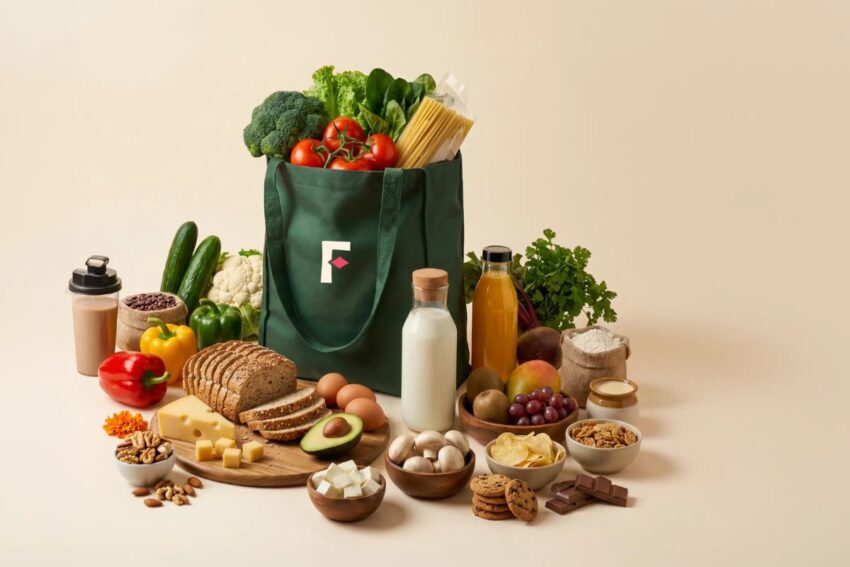
FirstClub, founded in 2024 by former Flipkart executive Ayyappan R, believes the market is still broad enough to support a premium alternative. Rather than trying to win on the largest selection or the fastest delivery, the startup is building what it describes as a curated online grocery platform with around 4,000 products. That assortment is roughly one-third the size of what many quick-commerce rivals offer, according to the company.
The company says it applies quality checks to fresh produce, lab-tests some staple products, and works with brands to develop exclusive offerings. The aim is to position FirstClub as a trusted destination for groceries rather than simply a delivery service optimized for speed.
“People don’t need a very large selection, but they need the right quality selection, consistently delivered every single time,” Ayyappan said in an interview.
Early traction with premium shoppers
FirstClub says the strategy is already showing signs of traction. The company said more than 60% of its customer base consists of women-led households. It also said its basket mix differs from mainstream quick-commerce platforms, where staples such as onions, tomatoes, and potatoes often dominate sales. Ayyappan said some of FirstClub’s top-selling products include avocados, persimmons, and Modi apples, a lineup that reflects demand for more premium and curated grocery items.
According to the startup, it has surpassed 1 million orders and acquired 170,000 households within a year of launching in Bengaluru. FirstClub also said it is currently operating at an annualized gross market value of about $50 million. Gross market value refers to the total value of goods sold through the platform.
Customers are placing more than four orders per month on average, and the company says the typical order value is roughly ₹1,200, or about $13, Ayyappan told TechCrunch. Those figures suggest FirstClub is aiming at repeat grocery shopping rather than one-off convenience purchases.
How the company plans to use the money
FirstClub plans to use the new capital to expand beyond Bengaluru, where it currently operates 21 stores. It has already entered Hyderabad with three locations and intends to deepen its presence there. The company also said it plans to move into additional categories, including home and kitchen products, gifting, and other household essentials.
The startup currently employs about 220 people directly. Its expansion plans suggest it is preparing to build a broader premium commerce platform, even as it remains rooted in grocery.
Why investors are interested
Peak XV managing director GV Ravishankar said the firm sees room for a larger cohort of affluent, health-conscious Indian consumers who are willing to pay for higher-quality products. In his view, that creates a market for specialized grocery platforms alongside mainstream quick-commerce businesses.
“There will be a specific set of consumers who gravitate toward a better-quality platform that serves trustworthy products,” Ravishankar told TechCrunch. “As Indians become wealthier and more informed, there will be more and more people who make that choice.”
Ravishankar compared the trend to premium grocery chains in developed markets, arguing that India’s retail market is beginning to fragment beyond a one-size-fits-all model focused only on price and convenience. The broader implication is that quick commerce may not remain a single-market race to the bottom on delivery times, but could evolve into multiple subcategories serving different types of shoppers.
A differentiated path in a crowded market
FirstClub’s approach comes at a time when quick commerce in India is still expanding and attracting significant attention from investors. Most major platforms have focused on convenience, dense delivery networks, and broad assortments. FirstClub is instead attempting to make quality itself the product, using tighter assortment control and product sourcing as the basis for trust.
That strategy could appeal to households looking for reliable produce and premium groceries, particularly if they are willing to trade breadth of selection for consistency. The company’s early numbers suggest there is at least an initial audience for that proposition, though the challenge now is whether it can scale beyond its first markets while maintaining the standards that underpin its brand.
For now, the new funding round gives FirstClub more room to test that thesis. With a higher valuation, additional capital, and support from both new and existing investors, the startup is signaling confidence that quick commerce in India may still have room for a model built around trust, curation, and product quality.
Source: Original report
Was this helpful?
Explore more: More Business & Startups Tech News Blog
Last Modified: July 7, 2026 at 9:24 pm
11 views