power outage paralyzes waymo robotaxis when traffic A significant power outage in San Francisco over the weekend disrupted the operations of Waymo’s robotaxi fleet, highlighting the vulnerabilities of autonomous vehicle systems in urban environments.
power outage paralyzes waymo robotaxis when traffic
Overview of the Power Outage
On Saturday afternoon, a fire at a substation in San Francisco triggered a massive power outage that affected a substantial portion of the city. At its peak, the blackout left more than 130,000 homes without electricity, impacting critical infrastructure and services across the area. The outage was particularly disruptive for the city’s traffic management systems, including traffic lights, which went dark and rendered intersections chaotic.
The power outage lasted for several hours, during which time many residents experienced significant inconveniences, including the inability to use electronic devices, access to public transportation, and disruptions to local businesses. Emergency services were also affected, as they rely on power for communication and coordination. The blackout underscored the fragility of urban infrastructure and the potential consequences of such failures.
Impact on Waymo’s Robotaxi Operations
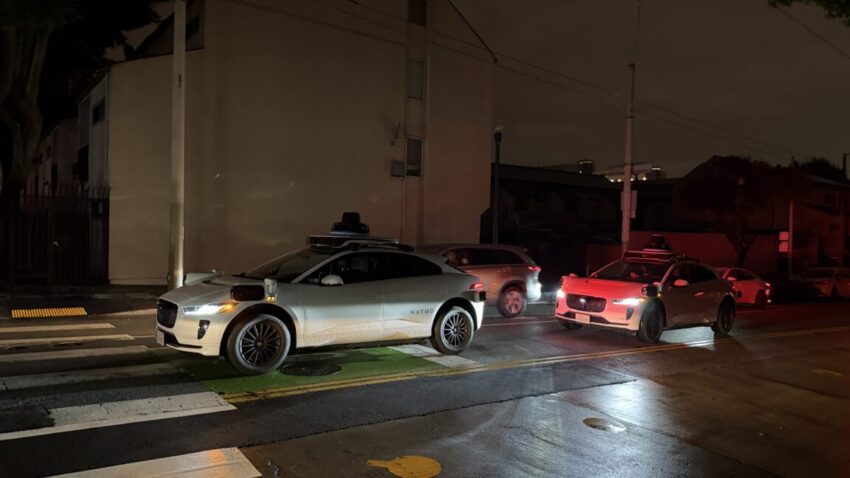
Among the most affected systems were the traffic lights, which played a crucial role in managing the flow of vehicles throughout the city. Waymo’s fleet of autonomous vehicles, primarily consisting of all-white Jaguar I-Paces, was unable to navigate effectively without functioning traffic signals. The robotaxis, which typically rely on high-resolution maps and various sensors to operate, found themselves immobilized at intersections, leading to significant traffic congestion.
Waymo operates over 800 autonomous vehicles in the Bay Area, and their presence has become a common sight on San Francisco’s streets. The vehicles are equipped with advanced technology, including lidar, optical sensors, and cameras, allowing them to perceive their surroundings and make driving decisions. However, the reliance on external infrastructure, such as traffic lights, poses challenges, especially during unexpected events like power outages.
Technology Behind Waymo’s Robotaxis
Waymo’s autonomous vehicles utilize a combination of technologies to navigate urban environments. The vehicles are outfitted with:
- Lidar: This technology uses laser light to create a detailed 3D map of the surroundings, helping the vehicle detect obstacles and navigate safely.
- Optical Sensors: Cameras and other sensors provide visual information about the environment, enabling the vehicle to recognize traffic signs, pedestrians, and other vehicles.
- High-Resolution Maps: These maps contain detailed information about road layouts, traffic patterns, and other critical data that assist in navigation.
Despite these advanced technologies, the vehicles can struggle in edge cases. For instance, earlier this month, Waymo had to issue a recall to address a problem where its robotaxis would illegally pass stopped school buses, raising safety concerns.
Challenges of Autonomous Vehicle Integration
The incident in San Francisco raises important questions about the integration of autonomous vehicles into existing urban infrastructure. While the technology behind self-driving cars has advanced significantly, the reliance on external systems like traffic lights can create vulnerabilities. This incident serves as a reminder that even the most sophisticated autonomous systems can be rendered ineffective by unforeseen circumstances.
As cities increasingly adopt autonomous vehicle technology, it is crucial to consider how these vehicles will interact with existing infrastructure. The reliance on functioning traffic lights and other systems means that any disruption can lead to significant operational challenges. This incident highlights the need for cities to invest in more resilient infrastructure that can withstand power outages and other disruptions.
Stakeholder Reactions
The power outage and its impact on Waymo’s operations elicited a range of reactions from various stakeholders. City officials expressed concern about the implications of the outage for public safety and traffic management. The incident prompted discussions about the need for better contingency plans and backup systems to ensure that critical infrastructure remains operational during emergencies.
Waymo, for its part, acknowledged the challenges posed by the outage. In a statement, the company emphasized its commitment to safety and the importance of adapting to changing conditions on the road. The company is likely to conduct a thorough review of its systems and protocols to identify areas for improvement in response to this incident.
Broader Implications for Autonomous Vehicle Deployment
The events in San Francisco have broader implications for the future of autonomous vehicle deployment in urban areas. As cities around the world explore the integration of self-driving technology into their transportation systems, it is essential to consider the potential vulnerabilities that may arise. Key considerations include:
- Infrastructure Resilience: Cities must prioritize investments in resilient infrastructure that can withstand power outages and other disruptions. This includes backup power systems for traffic lights and other critical systems.
- Regulatory Frameworks: Policymakers need to establish clear regulations governing the operation of autonomous vehicles, particularly in emergency situations. This includes guidelines for how these vehicles should respond when traffic signals are non-functional.
- Public Safety: Ensuring the safety of all road users—drivers, pedestrians, and cyclists—must remain a top priority as autonomous vehicles become more prevalent. This includes addressing edge cases where technology may fail.
Future of Autonomous Vehicles in Urban Environments
As the technology behind autonomous vehicles continues to evolve, it is likely that companies like Waymo will develop more sophisticated systems capable of handling a wider range of scenarios. However, the reliance on external infrastructure will remain a challenge. The San Francisco incident serves as a case study for the importance of integrating autonomous vehicles into a broader transportation ecosystem that includes robust infrastructure and contingency planning.
Moreover, as cities grapple with the challenges of integrating autonomous vehicles, public acceptance will play a crucial role in determining the success of these technologies. Residents must feel confident in the safety and reliability of self-driving cars, particularly in emergency situations. Building trust will require transparency from companies and ongoing dialogue with the public about the capabilities and limitations of autonomous systems.
Conclusion
The recent power outage in San Francisco that paralyzed Waymo’s robotaxi fleet serves as a stark reminder of the vulnerabilities inherent in the integration of autonomous vehicles into urban environments. While the technology behind self-driving cars has advanced significantly, the reliance on external infrastructure poses challenges that must be addressed. As cities continue to explore the deployment of autonomous vehicles, it is essential to prioritize infrastructure resilience, regulatory frameworks, and public safety to ensure a successful transition to this new era of transportation.
Source: Original report
Was this helpful?
Explore more: DevOps Services More Cloud & DevOps Tech News
Last Modified: December 23, 2025 at 3:43 pm
17 views