
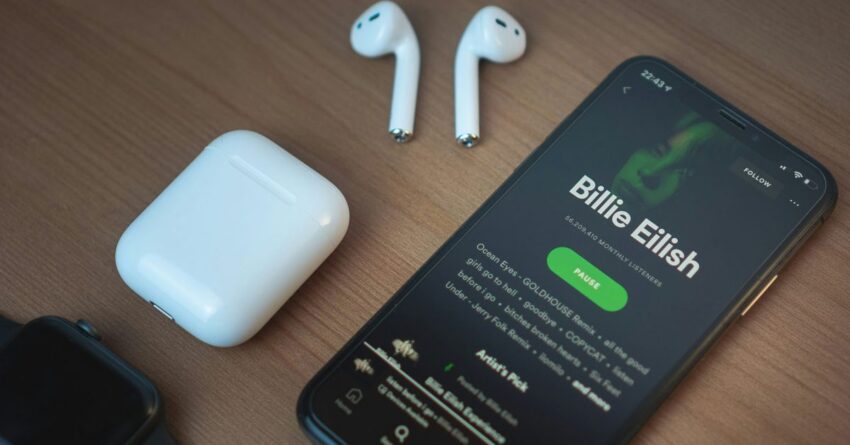
pirate group says it has scraped almost A pirate group known as Anna’s Archive claims to have scraped nearly all of Spotify’s music catalog, raising significant concerns about copyright infringement and the future of digital music distribution.
pirate group says it has scraped almost
Overview of Anna’s Archive
Anna’s Archive has positioned itself as “the largest truly open library in human history.” This self-proclaimed title reflects its mission to provide unrestricted access to a vast array of digital content. The group claims to have successfully scraped 99.6% of all the music available on Spotify, a streaming platform that has transformed how millions consume music since its launch in 2008.
Details of the Scraping Operation
According to Anna’s Archive, the operation resulted in the downloading of nearly 300 terabytes (TB) of data. This staggering amount of information encompasses a wide variety of music genres, artists, and albums, effectively creating a near-complete replica of Spotify’s extensive library. The group has announced its intention to make this data available for torrenting, a peer-to-peer file-sharing method that allows users to download and share files directly with one another.
Technical Aspects of the Scraping Process
The technical execution of such a scraping operation is complex and requires a deep understanding of web technologies. Scraping involves using automated scripts to extract data from websites, which can be a violation of terms of service. In the case of Spotify, the scraping process likely involved bypassing various security measures designed to protect the platform’s content from unauthorized access.
While the specifics of Anna’s Archive’s methods remain undisclosed, it is known that scraping large-scale platforms like Spotify often necessitates sophisticated techniques, including the use of proxies, web crawlers, and data management systems to handle the sheer volume of information being downloaded.
Implications for Copyright and Intellectual Property
The announcement from Anna’s Archive has significant implications for copyright law and the music industry at large. Copyright infringement is a serious offense, and the unauthorized distribution of copyrighted material can lead to legal action against individuals and organizations involved in such activities.
Spotify, which has over 400 million users worldwide, relies on licensing agreements with record labels and artists to provide its service. The scraping of its music catalog poses a direct threat to these agreements, as it undermines the business model that supports artists and the music industry. If Anna’s Archive follows through with its plans to distribute this data, it could lead to widespread unauthorized access to music, potentially harming the revenue streams for artists and labels alike.
Reactions from the Music Industry
The music industry has historically been vigilant in protecting its intellectual property rights. Following the announcement from Anna’s Archive, industry stakeholders have expressed concern over the potential ramifications of such a large-scale scraping operation. Record labels, artists, and music rights organizations are likely to respond aggressively to protect their interests.
Legal experts predict that Spotify may pursue legal action against Anna’s Archive, citing violations of the Digital Millennium Copyright Act (DMCA) and other copyright laws. The DMCA provides a framework for copyright holders to seek remedies against unauthorized use of their content, and it has been used in the past to combat piracy effectively.
Stakeholder Perspectives
Reactions to the scraping operation have varied among different stakeholders. Some artists and independent musicians may view the availability of their music through Anna’s Archive as a double-edged sword. While it could increase exposure and reach, it also raises concerns about fair compensation for their work.
On the other hand, proponents of open access and digital libraries argue that initiatives like Anna’s Archive could democratize access to music. They contend that the current music industry model often favors established artists and labels, leaving independent musicians at a disadvantage. However, this perspective does not take into account the legal and ethical implications of copyright infringement.
The Role of Streaming Services
Streaming services like Spotify have revolutionized the way music is consumed, allowing users to access vast libraries of songs for a monthly subscription fee. This model has been beneficial for many artists, providing them with a platform to reach global audiences. However, the revenue generated from streaming is often criticized for being disproportionately low, particularly for independent artists.
The emergence of piracy, as demonstrated by Anna’s Archive, highlights the ongoing tension between accessibility and compensation in the digital music landscape. As more users turn to platforms that offer free access to music, the sustainability of the streaming model may come into question.
Potential Consequences for Users
For users, the availability of nearly the entire Spotify catalog through torrenting poses ethical and legal dilemmas. While the allure of free music is undeniable, engaging in piracy can lead to potential legal repercussions. Users who download or share pirated content may find themselves facing fines or other legal actions, depending on the jurisdiction.
Moreover, downloading music from unverified sources can expose users to security risks, including malware and other cyber threats. The convenience of accessing music through legitimate platforms like Spotify comes with built-in safeguards that protect users from these dangers.
Future of Digital Music Distribution
The actions of Anna’s Archive may prompt a reevaluation of how digital music is distributed and consumed. As piracy becomes more prevalent, streaming services may need to adapt their business models to remain competitive. This could involve increasing transparency regarding artist compensation, enhancing user engagement, or exploring alternative revenue streams.
Additionally, the music industry may need to invest more in education and awareness campaigns to inform users about the risks associated with piracy. By highlighting the importance of supporting artists through legitimate channels, stakeholders can work to mitigate the appeal of pirated content.
Conclusion
The claim by Anna’s Archive to have scraped nearly all of Spotify’s music raises critical questions about copyright, access to information, and the future of the music industry. While the group’s intentions may be rooted in a desire for open access, the implications of their actions could be detrimental to artists and the music ecosystem as a whole. As the situation unfolds, it will be essential for stakeholders to navigate the complex landscape of digital music distribution, balancing the need for accessibility with the rights of creators.
Source: Original report
Was this helpful?
Explore more: More General Technology Tech News Blog
Last Modified: December 23, 2025 at 5:36 pm
11 views














