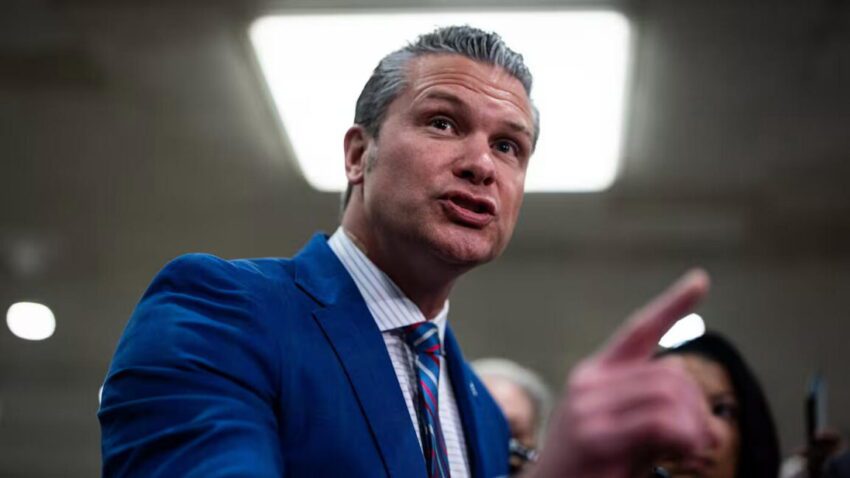
pete hegseth tells anthropic to fall in U.S. Defense Secretary Pete Hegseth has issued a stark ultimatum to Anthropic, demanding the company align its technology with the Department of Defense’s (DoD) requirements or risk being excluded from the military supply chain.
pete hegseth tells anthropic to fall in
Background of the Dispute
The conflict between the DoD and Anthropic, an artificial intelligence research company, has escalated significantly in recent weeks. The core of the disagreement revolves around Anthropic’s reluctance to provide unrestricted access to its AI models for military applications. This includes sensitive areas such as domestic surveillance and autonomous operations that could involve lethal force without direct human oversight.
Anthropic was founded in 2020 by former OpenAI employees, including Dario Amodei, who has since taken on the role of CEO. The company has positioned itself as a leader in AI safety and ethics, focusing on developing AI technologies that are aligned with human values. However, this commitment to ethical AI has put it at odds with the military’s demands for rapid access to advanced technologies that could enhance national security.
The Ultimatum from Hegseth
During a meeting on Tuesday, Hegseth summoned Amodei to Washington to discuss the ongoing tensions. Reports indicate that the discussions were fraught, with Hegseth explicitly warning that Anthropic could be removed from the DoD’s supply chain if it did not agree to the terms set forth by the department by the upcoming Friday.
The ultimatum is not merely a bureaucratic maneuver; it reflects a broader strategy by the U.S. government to secure advanced AI capabilities amid increasing global competition, particularly with nations like China and Russia. Hegseth’s threats included invoking the Defense Production Act, a Cold War-era law that grants the president the authority to prioritize and control domestic industry for national defense purposes. This act has historically been used to mobilize resources during times of war or national emergency, and its potential application in this context underscores the seriousness of the situation.
Implications for Anthropic
If Anthropic were to be cut from the DoD’s supply chain, the consequences could be significant. The company has invested heavily in research and development, and military contracts often provide substantial funding and validation for technology firms. Losing access to these contracts could hinder Anthropic’s growth and limit its ability to compete with other tech companies that are more amenable to military partnerships.
Moreover, the ultimatum raises ethical questions about the role of AI in military applications. Anthropic’s leadership has emphasized the importance of developing AI technologies that prioritize safety and ethical considerations. The pressure from the DoD could force the company to compromise its principles, leading to potential backlash from stakeholders who are concerned about the implications of deploying AI in warfare.
Stakeholder Reactions
The response from various stakeholders has been mixed. Some industry experts argue that the military’s demand for access to advanced AI models is justified, given the rapid advancements in technology and the need for national defense. They contend that the U.S. must maintain its technological edge to deter adversaries and protect its interests.
Conversely, advocates for ethical AI development have expressed concern over the militarization of AI technologies. They argue that unrestricted access to AI models for military applications could lead to unintended consequences, including the potential for autonomous weapons systems that operate without human oversight. This concern is particularly relevant in light of ongoing debates about the ethical implications of AI in warfare.
The Broader Context of AI in Defense
The current situation is part of a larger trend in which governments worldwide are increasingly looking to harness AI technologies for military purposes. The U.S. has been investing heavily in AI research and development, with the DoD establishing initiatives aimed at integrating AI into various aspects of military operations. This includes everything from logistics and supply chain management to advanced weapon systems.
In recent years, the Pentagon has recognized the strategic importance of AI, particularly in the context of great power competition. The National Defense Strategy emphasizes the need for the U.S. to leverage emerging technologies to maintain its military superiority. As a result, the demand for AI capabilities has surged, leading to heightened competition among tech companies to secure lucrative defense contracts.
The Role of the Defense Production Act
The Defense Production Act (DPA) has been a critical tool for U.S. policymakers in times of crisis. Originally enacted in 1950, the DPA allows the president to prioritize contracts and allocate resources to ensure the national defense. Its invocation in the context of AI development could have far-reaching implications for the tech industry.
Should Hegseth choose to invoke the DPA, it could compel Anthropic and other tech firms to prioritize military contracts over commercial endeavors. This could lead to a shift in the landscape of AI development, with companies increasingly focusing on defense applications at the expense of civilian uses. The long-term effects of such a shift could alter the trajectory of AI research and development, raising questions about the ethical implications of prioritizing military applications.
The Future of AI and Military Collaboration
The ongoing negotiations between Anthropic and the DoD highlight the complexities of integrating AI technologies into military operations. As the demand for advanced AI capabilities continues to grow, companies will face difficult decisions about how to balance ethical considerations with the pressures of national security.
For Anthropic, the next steps will be crucial. The company must navigate the fine line between maintaining its commitment to ethical AI and meeting the demands of the DoD. Failure to reach an agreement could have significant repercussions, not only for Anthropic but also for the broader AI landscape.
Potential Outcomes
Several potential outcomes could arise from this situation:
- Agreement Reached: Anthropic may agree to the DoD’s terms, allowing the company to maintain its position within the military supply chain while potentially compromising its ethical stance.
- Severed Ties: If Anthropic refuses to comply, the DoD may follow through on its threat to cut the company from its supply chain, leading to financial and reputational repercussions for Anthropic.
- Legal Challenges: Anthropic could pursue legal avenues to contest the DoD’s demands, particularly if it believes that compliance would violate its ethical commitments.
- Industry-Wide Implications: The outcome of this dispute could set a precedent for how other tech companies engage with the military, influencing future collaborations and ethical considerations in the industry.
Conclusion
The ultimatum issued by Defense Secretary Pete Hegseth to Anthropic underscores the growing tensions between the military’s demands for advanced AI capabilities and the ethical considerations that companies like Anthropic prioritize. As the deadline approaches, the decisions made by both parties will have lasting implications for the future of AI in military applications and the broader tech landscape.
Source: Original report
Was this helpful?
Explore more: AI Automation Services More AI & Automation Tech News
Last Modified: February 25, 2026 at 11:37 pm
12 views