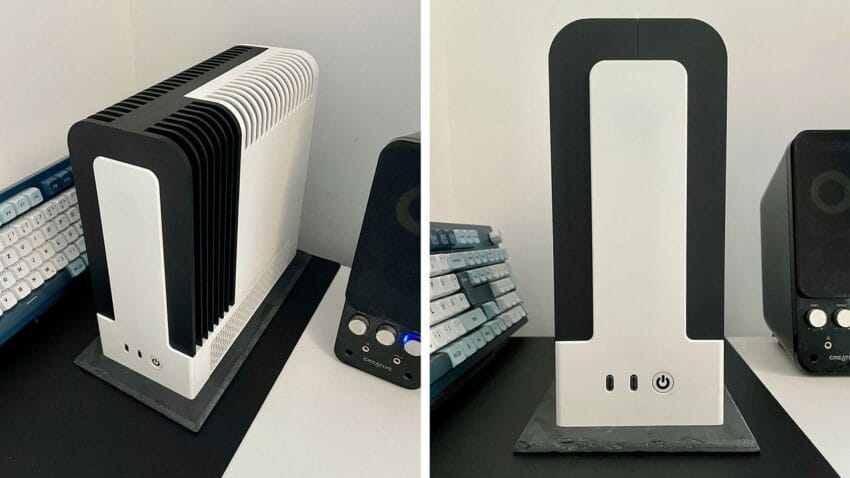
passively cooled ryzen ai max 395 pc uses entire chassis as a 10-pound heatsink – talented builder turns framework desktop mainboard into a silent, powerful work of pc art: A PC builder has successfully created a passively cooled system using the Ryzen AI Max+ 395 mainboard from Framework. This innovative design utilizes the entire chassis as a heatsink, weighing approximately 10 pounds, to dissipate heat without the need for active cooling. The project showcases the potential for silent operation while maintaining powerful performance, reflecting a growing interest in silent computing solutions.
Key takeaways
- Utilizes Ryzen AI Max+ 395 mainboard from Framework.
- The chassis acts as a 10-pound passive heatsink.
- Emphasizes silent operation and thermal efficiency.
- Highlights aesthetic possibilities in PC building.
The builder, known in the community for their expertise and creativity, documented the entire process of integrating the Ryzen AI Max+ 395 into a custom chassis. This mainboard is notable for its advanced features, including integrated AI capabilities, which make it a compelling choice for a variety of computing tasks. By eliminating the need for active cooling solutions, the builder has opened new avenues for those interested in creating quieter, more efficient systems.
Traditionally, most PC builds rely on fans or liquid cooling systems to manage heat. However, this project challenges that norm by leveraging the physical properties of the chassis itself. The 10-pound weight of the chassis is not just for structural integrity; it serves a crucial role in heat dissipation. The material and design of the chassis allow it to absorb and disperse heat generated by the components effectively, maintaining optimal operating temperatures without the noise associated with fans.
Design and Materials
The design of the chassis is central to the success of this passive cooling solution. The builder selected materials known for their thermal conductivity, ensuring that heat is transferred away from the mainboard efficiently. Metals like aluminum or copper are often preferred in such applications due to their ability to conduct heat effectively. The choice of material also contributes to the overall aesthetic of the PC, allowing for a sleek, modern look that appeals to enthusiasts.
The chassis design is not only functional but also visually striking. The builder has managed to incorporate a minimalist aesthetic while ensuring that all components are easily accessible. This balance of form and function is a hallmark of modern PC building, where aesthetics are as important as performance. The builder documented the entire process through photos and videos, providing insights into the challenges faced and solutions found during the build.
Chassis Features
The chassis is designed with several features that enhance its cooling capabilities. Its large surface area allows for greater heat dissipation, while the arrangement of internal components is optimized to promote natural airflow. This airflow is crucial in a passive cooling setup, as it allows heat to escape the chassis without the assistance of fans. The builder also incorporated vents strategically placed to facilitate this process, ensuring that hot air can exit the system efficiently.
Furthermore, the aesthetic choices made in the chassis design contribute to a modern look that is appealing to PC enthusiasts. The use of brushed aluminum or polished surfaces not only enhances thermal conductivity but also provides a visually appealing finish. This attention to detail reflects a growing trend in the PC building community where aesthetics and functionality go hand in hand.
Performance and Efficiency
One of the standout features of this passively cooled PC is its ability to maintain performance levels comparable to systems with active cooling. The Ryzen AI Max+ 395 is designed for high-performance tasks, including gaming and content creation, and the builder has demonstrated that it can operate effectively even without fans. This is particularly impressive given the increasing demands of modern applications and games, which often push hardware to its limits.
Thermal efficiency is a critical consideration in any PC build, and this project highlights how passive cooling can meet those needs. By carefully managing airflow within the chassis and ensuring that heat is dissipated uniformly, the builder has created a system that runs cool even under load. This is particularly beneficial for users who prioritize silent operation, as traditional cooling solutions can introduce unwanted noise during peak performance periods.
Benchmarking Performance
To assess the performance of this passively cooled system, the builder conducted a series of benchmarks comparing it to similar systems equipped with active cooling. The results showed that the Ryzen AI Max+ 395 maintained competitive processing speeds and graphics performance under various workloads. In gaming scenarios, the system was able to handle demanding titles at respectable frame rates, while content creation tasks, such as video editing, were completed efficiently.
These benchmarks not only demonstrate the viability of passive cooling solutions but also highlight the advancements in processor technology that allow for such designs. The Ryzen AI Max+ 395’s architecture is optimized for performance and thermal management, making it an ideal candidate for a passively cooled setup.
Challenges and Solutions
While the results of this project are impressive, the builder faced several challenges throughout the process. One of the primary concerns was ensuring adequate heat dissipation without active airflow. The builder conducted extensive testing to determine the optimal layout of components within the chassis, experimenting with various configurations to find the best balance of thermal performance and accessibility.
Another challenge was managing the power delivery to the Ryzen AI Max+ 395. The mainboard requires a stable power supply to function correctly, and the builder had to ensure that the power delivery components were adequately cooled as well. This involved careful placement of power connectors and consideration of the overall thermal design of the chassis.
Testing and Iteration
The builder implemented a series of test runs to monitor temperatures under various loads. Initial tests revealed hotspots within the chassis, prompting adjustments in component placement and the addition of thermal pads to improve heat transfer. The iterative process allowed the builder to refine the design, ensuring that thermal performance met expectations while maintaining an aesthetically pleasing setup.
Moreover, the builder explored the use of thermal imaging to identify areas where heat was not dissipating effectively. This approach provided valuable insights and informed further design tweaks, ultimately leading to a well-optimized system capable of handling high-performance tasks without the noise of traditional cooling methods.
Community Impact and Future Prospects
This project has garnered significant attention within the PC building community, inspiring others to explore the possibilities of passive cooling solutions. The builder’s detailed documentation serves as a valuable resource for those interested in replicating the design or experimenting with their own passive cooling systems. As more users seek out quieter computing solutions, the interest in innovative designs like this is likely to grow.
Moreover, advancements in materials science may further enhance the viability of passive cooling solutions. As new materials with improved thermal properties become available, builders will have even more options for creating efficient, silent systems. This could lead to a new wave of PC designs that prioritize not only performance but also environmental considerations, such as energy efficiency and noise reduction.
Inspiration for Future Builds
The success of this passively cooled PC could inspire a new generation of builders to experiment with alternative cooling methods. As the demand for quieter systems increases, the exploration of passive solutions may lead to innovative designs that challenge traditional cooling paradigms. Builders may also begin to incorporate more sustainable practices into their designs, using materials that are both effective and environmentally friendly.
Furthermore, as technology continues to evolve, the integration of AI and other advanced features into mainstream computing will likely influence future PC designs. The Ryzen AI Max+ 395 serves as a prime example of how cutting-edge technology can be paired with innovative cooling solutions to create powerful and efficient systems.
Conclusion
The passively cooled Ryzen AI Max+ 395 PC is a testament to the creativity and ingenuity of the PC building community. By utilizing the chassis as a heatsink and eliminating the need for active cooling, the builder has created a silent yet powerful system that challenges conventional wisdom about PC design. This project not only highlights the potential for advanced thermal management but also showcases the aesthetic possibilities inherent in custom builds. As interest in silent computing solutions continues to rise, this innovative approach may inspire future developments in the field.
Source: https://www.tomshardware.com/desktops/pc-building/passively-cooled-ryzen-ai-max-395-pc-uses-entire-chassis-as-a-10-pound-heatsink-talented-builder-turns-framework-desktop-mainboard-into-a-silent-powerful-work-of-pc-art
Was this helpful?
Explore more: More Hardware & Devices Tech News Blog
Last Modified: August 27, 2025 at 4:46 am
24 views