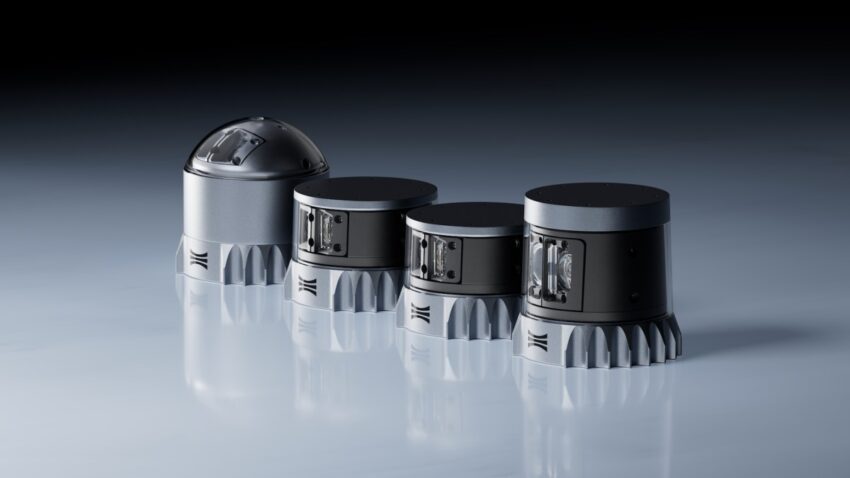
ouster s new color lidar is coming A groundbreaking advancement in sensor technology is on the horizon with Ouster’s new color lidar system, which aims to replace traditional cameras in various applications.
ouster s new color lidar is coming
The Evolution of Lidar Technology
Light Detection and Ranging (lidar) technology has evolved significantly since its inception. Initially used primarily in geological surveying and atmospheric studies, lidar has found applications in diverse fields such as autonomous vehicles, robotics, and environmental monitoring. The ability to measure distances with precision has made lidar an invaluable tool for creating detailed three-dimensional maps of the environment.
As the demand for more sophisticated sensing technology has grown, so too has the need for sensors that can capture both depth and image data simultaneously. This dual capability has been referred to as the “holy grail” of sensor technology, a term echoed by Ouster CEO Angus Pacala in a recent interview with TechCrunch. The integration of color imaging with depth perception could revolutionize how machines perceive and interact with their surroundings.
Ouster’s New Color Lidar System
Ouster’s latest innovation aims to fulfill this long-sought goal. The new color lidar system is designed to provide high-resolution depth data alongside rich color imagery, effectively merging the capabilities of traditional cameras with the precision of lidar technology. This development is particularly significant for industries that rely heavily on visual data, such as autonomous driving, robotics, and smart city applications.
Technical Specifications
While specific technical details of Ouster’s new color lidar system are still emerging, the company has indicated that the sensor will utilize advanced algorithms and optics to achieve its dual functionality. The system is expected to deliver high-resolution color images at a range of distances, enabling machines to interpret their environments with unprecedented accuracy.
Ouster’s color lidar is anticipated to operate effectively in various lighting conditions, a significant advantage over traditional cameras that often struggle in low-light or overly bright environments. This capability could enhance the performance of autonomous vehicles, which must navigate complex environments safely and efficiently.
Applications Across Industries
The potential applications for Ouster’s color lidar system are vast and varied. Here are some key sectors that stand to benefit:
- Autonomous Vehicles: The integration of color lidar can enhance the perception systems of self-driving cars, allowing them to better understand their surroundings and make informed decisions in real-time.
- Robotics: Robots equipped with color lidar can perform tasks that require both depth perception and visual recognition, such as navigating complex environments or identifying objects.
- Smart Cities: Urban planners can leverage color lidar for infrastructure monitoring, traffic management, and environmental assessments, leading to more efficient city management.
- Augmented Reality: The combination of depth and color data can improve the accuracy of AR applications, creating more immersive experiences.
Market Implications
The introduction of Ouster’s color lidar system could disrupt the current market landscape, particularly for companies that rely on traditional camera systems. As the technology matures, it may lead to a shift in how industries approach sensing solutions, moving away from cameras and towards more integrated lidar systems.
Ouster’s innovation may also prompt competitors to accelerate their own research and development efforts in the lidar space. The race to create more advanced sensing technologies could lead to a wave of new products and solutions, ultimately benefiting consumers and businesses alike.
Stakeholder Reactions
Industry stakeholders have expressed a mix of excitement and caution regarding Ouster’s new color lidar system. Many see it as a significant step forward in sensor technology, while others are keen to see how it performs in real-world applications.
Experts in the field have noted that while the potential for color lidar is immense, challenges remain. For instance, the integration of complex algorithms and hardware must be seamless to ensure reliability and performance. Additionally, the cost of production and deployment will be critical factors in determining how quickly this technology can be adopted across various sectors.
Challenges Ahead
Despite the promising outlook for Ouster’s color lidar, several challenges could impede its widespread adoption. One of the primary concerns is the cost associated with lidar technology. While prices have been decreasing over the years, high-quality lidar systems can still be expensive, making them less accessible for smaller companies or startups.
Moreover, the integration of color lidar into existing systems may require significant modifications to hardware and software, which could deter some organizations from making the switch. The need for specialized knowledge and expertise to implement and maintain these systems could also pose a barrier to entry for many potential users.
Regulatory Considerations
As with any emerging technology, regulatory considerations will play a crucial role in the adoption of Ouster’s color lidar system. Governments and regulatory bodies will need to establish guidelines to ensure the safe and ethical use of lidar technology, particularly in sensitive applications such as autonomous vehicles and surveillance.
Stakeholders will need to engage with regulators to address concerns related to privacy, data security, and safety. Establishing a clear regulatory framework will be essential for fostering innovation while protecting public interests.
The Future of Lidar Technology
Looking ahead, the future of lidar technology appears bright, especially with advancements like Ouster’s color lidar on the horizon. As industries continue to seek more efficient and effective ways to gather and interpret data, the demand for integrated sensing solutions will likely grow.
Ouster’s innovation could pave the way for further advancements in lidar technology, potentially leading to the development of even more sophisticated systems that combine multiple sensing modalities. This could result in a new era of smart technologies capable of understanding and interacting with the world in ways previously thought impossible.
Conclusion
Ouster’s new color lidar system represents a significant leap forward in sensor technology, with the potential to replace traditional cameras across various industries. As the technology matures and becomes more accessible, it could reshape how machines perceive their environments, leading to safer and more efficient operations in autonomous vehicles, robotics, and smart city applications.
While challenges remain, the excitement surrounding this innovation underscores the importance of continued investment in lidar technology. As stakeholders navigate the complexities of adoption and regulation, the future of color lidar looks promising, heralding a new chapter in the evolution of sensing technology.
Source: Original report
Was this helpful?
Explore more: More Hardware & Devices Tech News Blog
Last Modified: May 4, 2026 at 4:36 pm
14 views