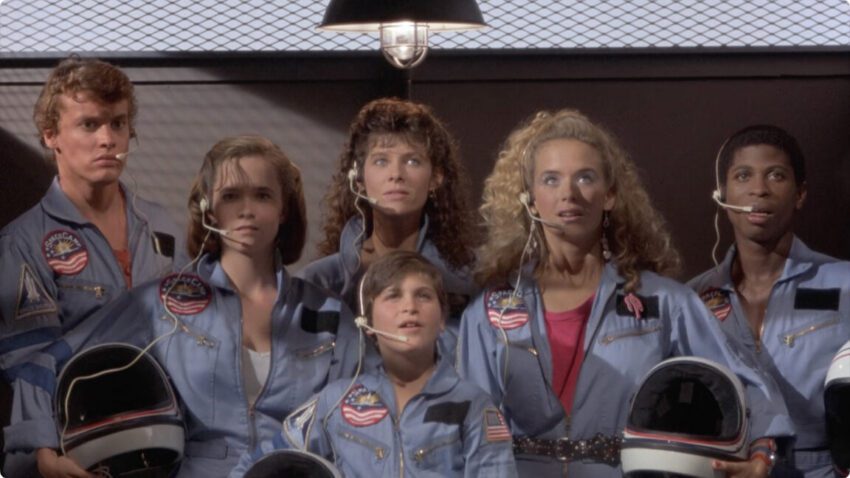
on its 40th anniversary we reassess 1986 As we mark the 40th anniversary of the 1986 film “SpaceCamp,” it is essential to reflect on the cultural and technological landscape of that era, particularly in relation to NASA’s Space Shuttle program.
on its 40th anniversary we reassess 1986
The Space Shuttle Era: A New Dawn for Space Exploration
In the early 1980s, the Space Shuttle was heralded as a revolutionary leap in human spaceflight. Unlike the Apollo missions that had captured the world’s imagination in the 1960s and 1970s, the shuttle was designed to be a fully reusable spacecraft. This innovation was expected to lower the costs of access to space and enable a new era of frequent flights. NASA envisioned a future where space travel would become as routine as air travel, with the shuttle capable of making monthly, and potentially even weekly, trips to low Earth orbit.
The shuttle’s design allowed for a variety of missions, including satellite deployment, scientific research, and even the construction of the International Space Station (ISS). It was a versatile vehicle that could carry astronauts, cargo, and equipment, making it a cornerstone of NASA’s plans for the future. The excitement surrounding the shuttle was palpable, and it captured the public’s imagination, leading to a surge in interest in space exploration.
Commercialization of Space
With the shuttle’s promise of routine access to space, commercial interests began to take notice. Major brands like Coca-Cola and Pepsi sought to capitalize on the growing fascination with space. The so-called “Cola Wars” extended beyond Earth, with both companies exploring ways to market their products in a zero-gravity environment. This commercial enthusiasm was indicative of a broader trend: the commercialization of space was on the horizon, and companies were eager to stake their claims.
In addition to corporate interests, there were even whimsical plans to send beloved children’s characters into orbit. One of the most notable proposals was to launch Big Bird from “Sesame Street” into space. This idea, while playful, reflected the optimism and excitement surrounding the shuttle program and the potential for space to become a part of everyday life.
The Tragic Challenger Disaster
However, this optimism was shattered on January 28, 1986, when the Space Shuttle Challenger tragically broke apart just 73 seconds after liftoff. The disaster claimed the lives of seven crew members, including Christa McAuliffe, a high school teacher who was set to become the first private citizen to travel to space. The Challenger disaster sent shockwaves through the nation and the world, marking a significant turning point in the history of human spaceflight.
The loss of Challenger not only halted the shuttle program but also raised serious questions about the safety and reliability of the shuttle system. The incident led to a thorough investigation, revealing flaws in the shuttle’s design and decision-making processes within NASA. The Rogers Commission, which was established to investigate the disaster, found that the decision to launch Challenger despite concerns about the O-rings in cold weather was a critical error. This finding underscored the need for a reevaluation of safety protocols and risk management within NASA.
Impact on Space Exploration
In the aftermath of the Challenger disaster, the shuttle program faced significant delays. The initial plans for frequent flights were abandoned, and the program struggled to regain public trust. During its peak in 1985, the shuttle had managed a maximum of nine flights in a single year. However, following the disaster, the program would only achieve five or six flights annually for most of the 1990s. The dream of civilian space travel, once so close, seemed to slip further away.
The Challenger disaster also had broader implications for the future of space exploration. It served as a stark reminder of the inherent risks involved in human spaceflight and the need for rigorous safety measures. The tragedy prompted a reevaluation of NASA’s goals and priorities, leading to a renewed focus on safety and risk management in subsequent missions.
SpaceCamp: A Reflection of the Era
Amidst this backdrop of hope and tragedy, the film “SpaceCamp” was released in 1986. The movie, which tells the story of a group of children attending a space camp who accidentally find themselves on a space shuttle mission, captured the imagination of a generation. It was a blend of adventure, comedy, and science fiction, showcasing the excitement of space exploration while also highlighting the challenges and dangers associated with it.
“SpaceCamp” featured a diverse cast of young actors, including Lea Thompson, Kate Capshaw, and Joaquin Phoenix, who portrayed the aspiring astronauts. The film’s premise resonated with the public, particularly in light of the ongoing fascination with the shuttle program. It served as a reminder of the dreams and aspirations that space travel inspired in young people across the country.
Cultural Impact and Legacy
Despite its mixed reviews upon release, “SpaceCamp” has since gained a cult following. The film’s themes of friendship, teamwork, and perseverance in the face of adversity struck a chord with audiences. It also served as a vehicle for promoting STEM (science, technology, engineering, and mathematics) education, encouraging young viewers to pursue careers in science and engineering.
The legacy of “SpaceCamp” extends beyond its entertainment value. In the years following its release, various space-themed educational programs and camps emerged, inspired by the film’s portrayal of space exploration. These initiatives aimed to engage young people in science and technology, fostering a new generation of space enthusiasts and professionals.
Looking Ahead: The Future of Space Exploration
As we reflect on the 40th anniversary of “SpaceCamp,” it is essential to consider the current state of space exploration. The landscape has changed dramatically since the days of the Space Shuttle. With the advent of private space companies like SpaceX and Blue Origin, the commercialization of space has accelerated. These companies are not only launching satellites but also developing plans for crewed missions to the Moon and Mars.
The renewed interest in space exploration has reignited public enthusiasm, reminiscent of the excitement that surrounded the shuttle program in the 1980s. NASA’s Artemis program aims to return humans to the Moon by the mid-2020s, with plans for sustainable lunar exploration and eventual missions to Mars. The future of space travel appears bright, with new technologies and partnerships paving the way for a new era of exploration.
Lessons Learned
However, the lessons learned from the Challenger disaster remain relevant today. As space exploration becomes more accessible, safety must remain a top priority. The risks associated with human spaceflight are significant, and the industry must continue to prioritize rigorous testing, safety protocols, and transparent decision-making processes. The legacy of the Challenger disaster serves as a reminder of the importance of learning from past mistakes to ensure the safety and success of future missions.
Conclusion
The 40th anniversary of “SpaceCamp” offers an opportunity to reflect on the past while looking forward to the future of space exploration. The excitement and optimism of the 1980s, embodied in both the shuttle program and the film, continue to inspire new generations. As we stand on the brink of a new era in space travel, it is crucial to remember the lessons of history and strive for a future where space exploration is safe, accessible, and transformative.
Source: Original report
Was this helpful?
Explore more: More General Technology Tech News Blog
Last Modified: May 31, 2026 at 4:35 pm
13 views