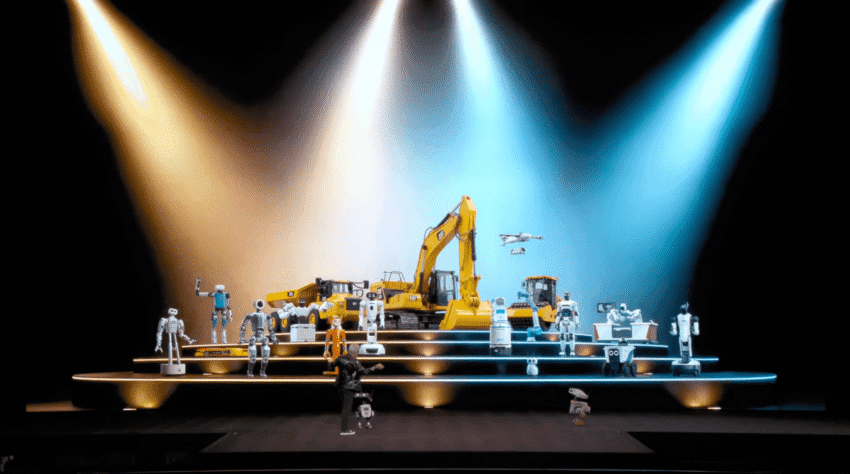
nvidia wants to be the android of Nvidia has announced its ambitious plans to establish a comprehensive robotics ecosystem, positioning itself as the go-to platform for generalist robotics during the CES 2026 event.
nvidia wants to be the android of
Nvidia’s Vision for Robotics
Nvidia, a leader in graphics processing units (GPUs) and artificial intelligence (AI), has unveiled a full-stack robotics ecosystem that aims to revolutionize the field of robotics. The company’s strategy is to create a unified platform that integrates hardware, software, and simulation tools, making it easier for developers and companies to build and deploy robotic systems. This initiative is not just about hardware; it encompasses a wide range of technologies, including foundation models and simulation tools, which are crucial for the development of intelligent robots.
The Components of Nvidia’s Robotics Ecosystem
The robotics ecosystem presented by Nvidia includes several key components that work together to provide a robust platform for developers:
- Foundation Models: These are pre-trained AI models that can be fine-tuned for specific tasks. Nvidia’s foundation models are designed to be versatile, allowing developers to adapt them for various robotic applications, from industrial automation to service robots.
- Simulation Tools: Nvidia has introduced advanced simulation tools that enable developers to create virtual environments for testing and training robots. This allows for safe and efficient experimentation without the risks associated with physical prototypes.
- Hardware: The company is also focusing on specialized hardware designed to support the computational demands of robotics. This includes powerful GPUs and other components optimized for AI workloads.
The Importance of a Unified Platform
Nvidia’s ambition to become the default platform for robotics is rooted in the need for a unified approach in an industry that has historically been fragmented. Many robotics companies have relied on disparate systems and tools, leading to inefficiencies and increased development times. By offering a comprehensive ecosystem, Nvidia aims to streamline the development process, making it easier for companies to create and deploy robotic solutions.
Addressing Industry Challenges
The robotics industry faces several challenges that Nvidia’s ecosystem seeks to address:
- Integration Issues: Many robotic systems require integration of various hardware and software components, which can be complex and time-consuming. Nvidia’s unified platform aims to simplify this process.
- Scalability: As demand for robotic solutions grows, companies need scalable systems that can adapt to different applications. Nvidia’s foundation models and simulation tools are designed to be flexible and scalable.
- Development Costs: Developing robotic systems can be costly, particularly for small and medium-sized enterprises. By providing a full-stack solution, Nvidia hopes to reduce development costs and make robotics more accessible.
Implications for the Robotics Industry
Nvidia’s entry into the robotics space has significant implications for the industry. By positioning itself as a key player, the company is likely to influence trends and standards in robotics development.
Impact on Developers
For developers, Nvidia’s ecosystem offers several advantages:
- Reduced Time to Market: With a comprehensive set of tools and models, developers can accelerate the development process, allowing them to bring products to market more quickly.
- Access to Cutting-Edge Technology: Nvidia’s reputation for innovation means that developers using its platform will have access to the latest advancements in AI and robotics.
- Community Support: As more developers adopt Nvidia’s platform, a community will likely form around it, providing additional resources, support, and collaboration opportunities.
Potential Challenges
Despite the potential benefits, Nvidia’s approach is not without challenges:
- Competition: The robotics industry is highly competitive, with established players and new entrants vying for market share. Nvidia will need to differentiate its offerings to attract developers.
- Adoption Hurdles: Transitioning to a new platform can be daunting for companies already invested in existing systems. Nvidia will need to demonstrate clear advantages to encourage adoption.
- Regulatory Considerations: As robotics technology evolves, regulatory frameworks will need to adapt. Nvidia must navigate these complexities to ensure compliance and promote safe deployment of its technologies.
Reactions from Industry Stakeholders
The announcement of Nvidia’s robotics ecosystem has garnered attention from various stakeholders in the industry, including developers, manufacturers, and investors.
Developer Community
Many developers have expressed excitement about the potential of Nvidia’s platform. The integration of AI and robotics is seen as a significant step forward, enabling the creation of more intelligent and capable robots. Some developers have noted that the availability of foundation models could significantly reduce the time and resources required for training AI systems.
Manufacturers and Enterprises
Manufacturers and enterprises are also keenly observing Nvidia’s moves. The promise of a unified platform that simplifies development and reduces costs is appealing, particularly for companies looking to adopt robotics solutions. However, some manufacturers have raised concerns about vendor lock-in, fearing that reliance on a single platform could limit their flexibility in the long run.
Investors
Investors have reacted positively to Nvidia’s announcement, viewing it as a strategic expansion into a growing market. The robotics industry is expected to see significant growth in the coming years, driven by advancements in AI, automation, and machine learning. Nvidia’s entry into this space is seen as a validation of the industry’s potential, attracting interest from venture capitalists and institutional investors alike.
Future Prospects for Nvidia in Robotics
Looking ahead, Nvidia’s prospects in the robotics sector appear promising. The company’s established reputation in AI and computing positions it well to capitalize on the growing demand for robotic solutions across various industries, including manufacturing, logistics, healthcare, and agriculture.
Expanding Applications
The versatility of Nvidia’s robotics ecosystem means it can be applied to a wide range of use cases:
- Industrial Automation: Robots equipped with Nvidia’s technology can enhance productivity and efficiency in manufacturing environments.
- Service Robots: The hospitality and healthcare sectors can benefit from intelligent service robots that assist with tasks such as cleaning, delivery, and patient care.
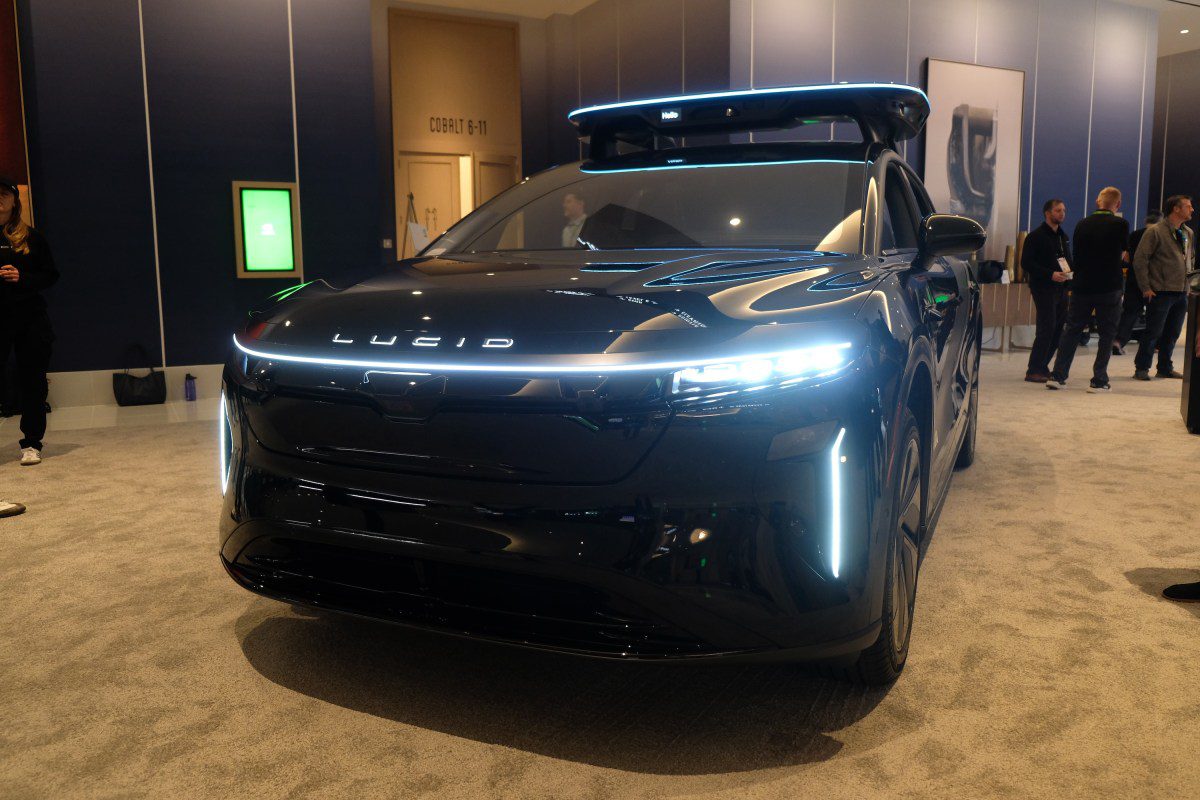
- Autonomous Vehicles: Nvidia’s expertise in AI and machine learning can be leveraged to develop autonomous vehicles for transportation and logistics.
Collaboration Opportunities
Nvidia’s ecosystem also opens the door for collaboration with other technology companies, research institutions, and startups. By fostering partnerships, Nvidia can accelerate innovation and drive the development of new applications and solutions in robotics.
Conclusion
Nvidia’s unveiling of a full-stack robotics ecosystem at CES 2026 marks a significant milestone in the company’s evolution and the broader robotics industry. By aiming to become the default platform for robotics, Nvidia is not only addressing existing challenges but also paving the way for future advancements. As the demand for intelligent robotic solutions continues to grow, Nvidia’s comprehensive approach positions it as a key player in shaping the future of robotics.
Source: Original report
Was this helpful?
Explore more: AI Automation Services More AI & Automation Tech News
Last Modified: January 6, 2026 at 7:41 am
17 views