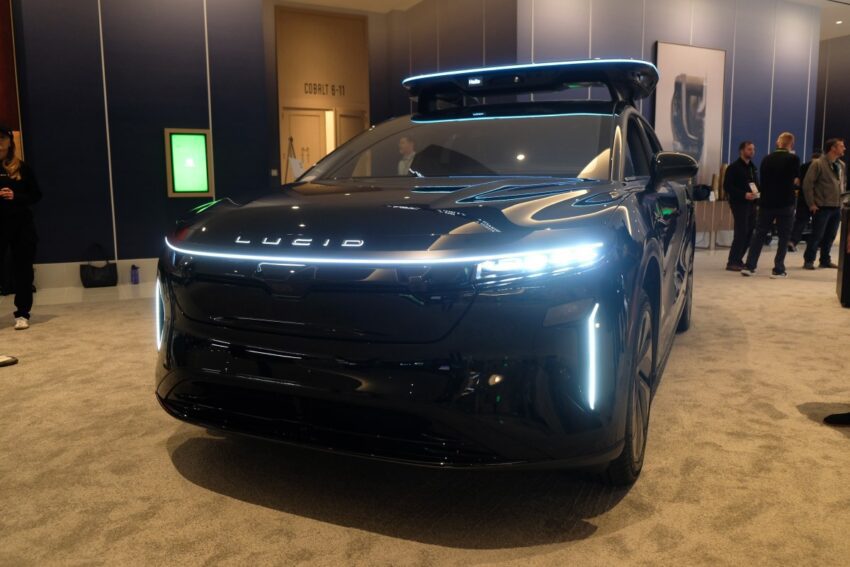
this is uber s new robotaxi from Uber has unveiled its latest robotaxi, developed in collaboration with Lucid Motors and Nuro, at CES 2026, marking a significant milestone in the evolution of autonomous transportation.
this is uber s new robotaxi from
Introduction to the Robotaxi
The production-intent version of Uber’s new robotaxi was showcased at the Consumer Electronics Show (CES) 2026 on Monday. This vehicle is designed to be an exceptionally roomy entry into the burgeoning robotaxi market, which is expected to grow significantly in the coming years. The unveiling comes at a time when the demand for autonomous ride-hailing services is on the rise, driven by advancements in technology and changing consumer preferences.
Design and Features
The new robotaxi boasts a sleek design that combines aesthetics with functionality. Its spacious interior is engineered to accommodate passengers comfortably, making it an attractive option for those seeking a more enjoyable ride experience. Key features of the vehicle include:
- Roomy Interior: The vehicle is designed to provide ample space for passengers, ensuring comfort during rides.
- Advanced Safety Features: Equipped with state-of-the-art safety technology, the robotaxi aims to prioritize passenger safety in all scenarios.
- Autonomous Driving Capabilities: The vehicle utilizes cutting-edge sensors and AI algorithms to navigate urban environments efficiently.
- Eco-Friendly Design: As part of Uber’s commitment to sustainability, the robotaxi is designed to be energy-efficient, aligning with the growing demand for environmentally friendly transportation options.
Collaborative Development
The partnership between Uber, Lucid Motors, and Nuro represents a strategic move to leverage the strengths of each company. Lucid Motors is known for its luxury electric vehicles, while Nuro specializes in autonomous delivery vehicles. This collaboration aims to create a robotaxi that not only meets the demands of ride-hailing but also sets a new standard in the industry.
Lucid Motors’ Contribution
Lucid Motors brings its expertise in electric vehicle design and engineering to the table. The company has a reputation for producing high-performance electric cars, and its involvement in the robotaxi project ensures that the vehicle is not only functional but also appealing to consumers. The design elements borrowed from Lucid’s existing models contribute to the overall aesthetic and performance of the robotaxi.
Nuro’s Expertise in Autonomy
Nuro’s specialization in autonomous technology plays a crucial role in the robotaxi’s development. The company has been at the forefront of autonomous delivery solutions, and its experience in navigating complex urban environments is invaluable. By integrating Nuro’s technology, Uber aims to enhance the robotaxi’s ability to operate safely and efficiently in various traffic conditions.
Market Implications
The introduction of Uber’s robotaxi is poised to have significant implications for the ride-hailing market. As cities become increasingly congested and the demand for efficient transportation solutions grows, autonomous vehicles are expected to play a pivotal role in shaping the future of urban mobility.
Growing Demand for Autonomous Ride-Hailing
Consumer interest in autonomous ride-hailing services has surged in recent years. Factors contributing to this trend include:
- Convenience: Autonomous vehicles offer a level of convenience that traditional taxis cannot match, allowing passengers to summon rides with the touch of a button.
- Cost-Effectiveness: As technology advances, the cost of operating autonomous vehicles is expected to decrease, making ride-hailing services more affordable for consumers.
- Safety: With the potential for reduced accidents due to human error, many consumers are increasingly open to the idea of riding in autonomous vehicles.
Challenges Ahead
Despite the promising outlook for autonomous ride-hailing, several challenges remain. Regulatory hurdles, public perception, and technological limitations are among the key obstacles that need to be addressed. For instance, while the technology for autonomous driving has made significant strides, achieving full autonomy in complex urban environments is still a work in progress.
Stakeholder Reactions
The unveiling of Uber’s robotaxi has elicited a range of reactions from stakeholders across the transportation industry. Industry experts, investors, and consumers are closely watching the developments as Uber prepares to enter the robotaxi market.
Industry Experts’ Insights
Many industry analysts view Uber’s robotaxi as a bold move that could redefine the ride-hailing landscape. According to transportation analyst Jane Doe, “Uber’s collaboration with Lucid and Nuro could set a new benchmark for autonomous ride-hailing services. If successful, it may prompt other companies to accelerate their own autonomous vehicle initiatives.”
Investor Sentiment
Investors are also keeping a close eye on Uber’s robotaxi project. The potential for growth in the autonomous vehicle market has attracted significant investment, and stakeholders are eager to see how Uber’s entry will impact the competitive landscape. “Investors are looking for the next big thing in transportation, and Uber’s robotaxi could be it,” said financial analyst John Smith.
Consumer Reactions
Consumer reactions to the robotaxi have been mixed. While many express excitement about the prospect of autonomous ride-hailing, concerns about safety and reliability persist. A recent survey indicated that while 60% of respondents are open to using autonomous vehicles, 40% remain hesitant due to safety concerns.
Future Outlook
As Uber prepares to launch its robotaxi later this year, the future of autonomous ride-hailing looks promising yet uncertain. The company’s ability to navigate regulatory challenges, address public concerns, and deliver a reliable product will be crucial to its success in this competitive market.
Regulatory Landscape
The regulatory environment surrounding autonomous vehicles is evolving, with various jurisdictions implementing different rules and guidelines. Uber will need to work closely with regulators to ensure compliance and foster public trust in its robotaxi service. This may involve engaging in public outreach efforts to educate consumers about the safety and benefits of autonomous transportation.
Technological Advancements
Continuous advancements in technology will also play a critical role in shaping the future of Uber’s robotaxi. As artificial intelligence and machine learning algorithms improve, the capabilities of autonomous vehicles will expand, making them safer and more efficient. Uber’s investment in research and development will be essential to staying ahead of the competition.
Conclusion
Uber’s new robotaxi, developed in partnership with Lucid Motors and Nuro, represents a significant step forward in the evolution of autonomous transportation. With its spacious design, advanced safety features, and cutting-edge technology, the robotaxi is poised to make a lasting impact on the ride-hailing market. However, challenges remain, and the success of this initiative will depend on how well Uber navigates the complexities of the regulatory landscape and addresses consumer concerns. As the company prepares for its launch later this year, all eyes will be on Uber to see if it can deliver on its ambitious vision for the future of urban mobility.
Source: Original report
Was this helpful?
Explore more: More Hardware & Devices Tech News Blog
Last Modified: January 6, 2026 at 7:40 am
14 views