nvidia launches powerful new rubin chip architecture Nvidia has unveiled its latest innovation, the Rubin computing architecture, which promises to set new standards in AI computing.
nvidia launches powerful new rubin chip architecture
Overview of the Rubin Architecture
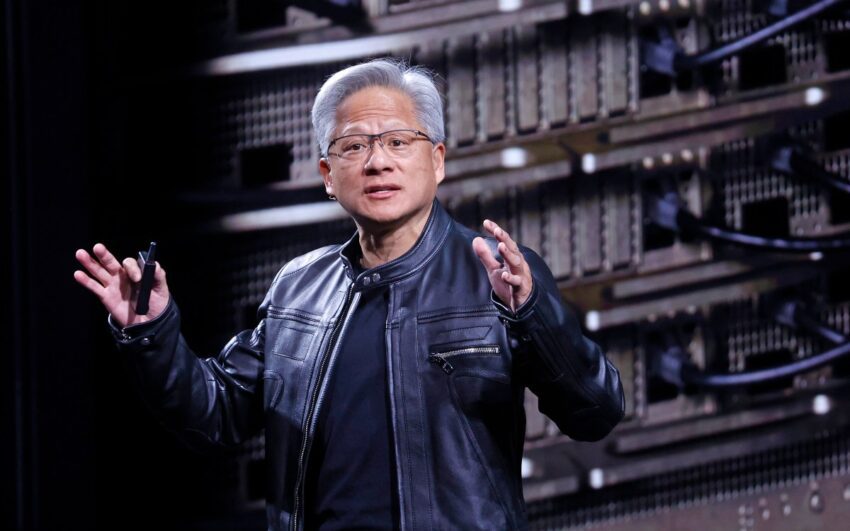
At a highly anticipated event, Nvidia CEO Jensen Huang introduced the Rubin architecture, emphasizing its capabilities and potential impact on various sectors. This new architecture is designed to enhance performance and efficiency in artificial intelligence applications, catering to a growing demand for advanced computing solutions.
Key Features of Rubin
The Rubin architecture boasts several groundbreaking features that distinguish it from its predecessors. Among these are:
- Increased Processing Power: The Rubin architecture is engineered to deliver significantly higher processing capabilities, enabling faster data analysis and decision-making.
- Energy Efficiency: One of the primary goals of the Rubin architecture is to maximize performance while minimizing energy consumption, addressing the environmental concerns associated with high-performance computing.
- Scalability: The architecture is designed to be scalable, allowing businesses and researchers to expand their computing resources as needed without compromising performance.
- Enhanced AI Capabilities: With specialized components tailored for AI workloads, the Rubin architecture is expected to improve machine learning and deep learning processes.
Implications for the AI Landscape
The launch of the Rubin architecture is poised to have significant implications for the AI landscape. As organizations increasingly rely on AI for various applications, the demand for robust computing solutions continues to grow. The Rubin architecture aims to meet this demand by providing a powerful platform that can handle complex AI tasks more efficiently.
Impact on Industries
Several industries stand to benefit from the advancements brought by the Rubin architecture:
- Healthcare: In the healthcare sector, the ability to process vast amounts of data quickly can lead to improved patient outcomes through better diagnostics and personalized treatment plans.
- Finance: Financial institutions can leverage the Rubin architecture for real-time data analysis, enhancing risk management and fraud detection capabilities.
- Automotive: The automotive industry can utilize the architecture for developing advanced driver-assistance systems (ADAS) and autonomous vehicles, where rapid data processing is crucial.
- Manufacturing: In manufacturing, the architecture can facilitate predictive maintenance and optimize supply chain management through enhanced data analytics.
Technical Specifications
While detailed technical specifications of the Rubin architecture are still emerging, initial reports indicate several noteworthy advancements:
- Core Design: The architecture features a new core design that integrates multiple processing units, allowing for parallel processing and improved performance.
- Memory Architecture: Enhanced memory architecture is expected to support faster data retrieval and processing, which is critical for AI workloads.
- Interconnect Technology: New interconnect technologies are being implemented to reduce latency and increase bandwidth, facilitating smoother data flow between components.
Comparison with Previous Architectures
To understand the significance of the Rubin architecture, it is essential to compare it with Nvidia’s previous architectures, such as Ampere and Turing. While both Ampere and Turing made substantial contributions to AI computing, the Rubin architecture is designed to address some of their limitations:
- Performance: Rubin is expected to outperform Ampere and Turing in terms of processing speed and efficiency, making it more suitable for demanding AI applications.
- Flexibility: The new architecture offers greater flexibility in deployment, allowing organizations to tailor their computing resources to specific needs.
- Support for Emerging Technologies: Rubin is built with future technologies in mind, ensuring compatibility with upcoming advancements in AI and machine learning.
Market Reactions
The announcement of the Rubin architecture has generated considerable excitement within the tech community. Analysts and industry experts have shared their perspectives on the potential impact of this new architecture:
- Positive Outlook: Many analysts view the Rubin architecture as a game-changer for AI computing, predicting that it will accelerate innovation across various sectors.
- Competitive Landscape: Competitors in the AI hardware space are likely to respond to Nvidia’s advancements, potentially leading to a new wave of innovation as companies strive to keep pace.
- Investment Opportunities: Investors are closely monitoring Nvidia’s developments, as the success of the Rubin architecture could translate into significant financial returns for the company.
Stakeholder Perspectives
Various stakeholders have expressed their views on the launch of the Rubin architecture:
- Developers: Software developers are eager to explore the capabilities of the Rubin architecture, anticipating that it will enable them to create more sophisticated AI applications.
- Businesses: Companies across different industries are considering how they can leverage the new architecture to enhance their operations and improve efficiency.
- Researchers: Academic researchers are excited about the potential for the Rubin architecture to facilitate groundbreaking studies in AI and machine learning.
Future Prospects
Looking ahead, the Rubin architecture is expected to play a pivotal role in shaping the future of AI computing. As organizations continue to adopt AI technologies, the demand for high-performance computing solutions will only increase. Nvidia’s commitment to innovation positions it well to meet this demand.
Potential Challenges
Despite the promising outlook, several challenges may arise as the Rubin architecture is rolled out:
- Integration: Organizations may face challenges in integrating the new architecture with existing systems and workflows, requiring careful planning and execution.
- Cost Considerations: The initial investment required to adopt the Rubin architecture may be a barrier for some organizations, particularly smaller businesses.
- Competition: As competitors respond to Nvidia’s advancements, the landscape may become increasingly competitive, necessitating continuous innovation.
Conclusion
The launch of Nvidia’s Rubin computing architecture marks a significant milestone in the evolution of AI computing. With its advanced features and potential applications across various industries, the Rubin architecture is set to redefine the capabilities of AI technologies. As organizations seek to harness the power of AI, Nvidia’s latest innovation will likely play a crucial role in driving progress and shaping the future of computing.
Source: Original report
Was this helpful?
Explore more: More Hardware & Devices Tech News Blog
Last Modified: January 6, 2026 at 7:42 am
23 views