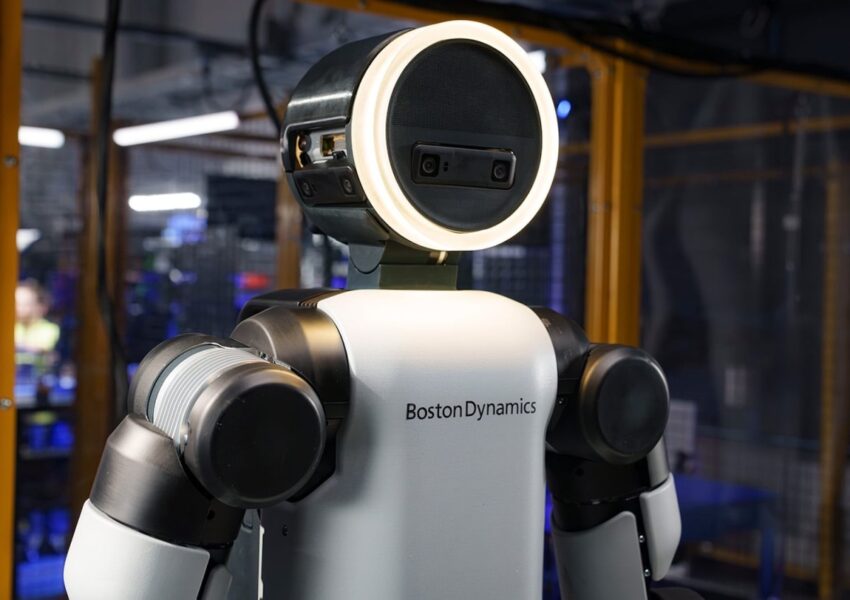
boston dynamics next-gen humanoid robot will have Boston Dynamics is set to enhance its humanoid robot, Atlas, with advanced artificial intelligence capabilities developed in collaboration with Google DeepMind.
boston dynamics next-gen humanoid robot will have
Introduction to Atlas and Its Evolution
Boston Dynamics, a leader in robotics, has made significant strides in developing humanoid robots, with Atlas being one of its most notable creations. Initially unveiled in 2013, Atlas has undergone numerous upgrades, evolving from a basic research platform into a highly sophisticated robot capable of performing complex tasks. The latest iteration of Atlas is expected to incorporate cutting-edge AI technologies from Google DeepMind, marking a pivotal moment in the evolution of humanoid robotics.
Collaboration with Google DeepMind
Google DeepMind, renowned for its breakthroughs in artificial intelligence, has partnered with Boston Dynamics to enhance Atlas’s capabilities. This collaboration aims to make Atlas more human-like in its interactions and functionalities. The integration of DeepMind’s AI technologies will enable Atlas to better understand and respond to its environment, allowing it to perform tasks with greater autonomy and efficiency.
Objectives of the Collaboration
The primary objective of this partnership is to leverage DeepMind’s expertise in machine learning and AI to improve Atlas’s decision-making processes. By incorporating advanced algorithms, Atlas will be able to:
- Recognize and interpret human gestures and commands.
- Adapt to dynamic environments with minimal human intervention.
- Learn from its experiences to improve performance over time.
This shift towards a more autonomous robot aligns with the growing demand for intelligent machines capable of assisting in various sectors, including healthcare, logistics, and manufacturing.
Technological Innovations in Atlas
The integration of Google DeepMind’s technology is expected to introduce several innovations to Atlas. These advancements will enhance the robot’s physical capabilities and its cognitive functions, allowing it to process information more like a human.
Enhanced Perception and Interaction
One of the most significant improvements will be in Atlas’s perception capabilities. By utilizing DeepMind’s AI, Atlas will be able to:
- Utilize computer vision to identify objects and navigate complex environments.
- Engage in more natural interactions with humans, understanding context and intent.
- Utilize voice recognition to respond to verbal commands effectively.
These enhancements will not only make Atlas more functional but also more relatable, bridging the gap between humans and machines.
Learning and Adaptation
Another critical aspect of the collaboration is the focus on machine learning. Atlas will be equipped with algorithms that allow it to learn from its surroundings and experiences. This capability will enable the robot to:
- Improve its performance in real-time by analyzing feedback from its actions.
- Adapt to new tasks without extensive reprogramming.
- Develop problem-solving skills that mimic human reasoning.
Such advancements could revolutionize how robots are deployed in various industries, making them more versatile and efficient.
Implications for the Robotics Industry
The collaboration between Boston Dynamics and Google DeepMind could have far-reaching implications for the robotics industry. As robots become more capable of performing complex tasks, the potential applications are vast.
Impact on Various Sectors
Humanoid robots like Atlas could play a crucial role in several sectors:
- Healthcare: Robots could assist in patient care, rehabilitation, and even surgical procedures, improving efficiency and outcomes.
- Logistics: In warehouses and distribution centers, robots could streamline operations, handling inventory and fulfilling orders with precision.
- Manufacturing: Advanced robots could work alongside human workers, taking on dangerous or repetitive tasks, thereby enhancing safety and productivity.
As these technologies mature, the integration of AI in robotics will likely lead to a new era of automation, transforming industries and creating new job opportunities.
Ethical Considerations
With the advancement of humanoid robots comes a set of ethical considerations that must be addressed. As robots become more autonomous and capable of interacting with humans, questions arise regarding their role in society. Key ethical concerns include:
- Job Displacement: As robots take on more tasks, there is a fear that human jobs may be at risk, leading to economic and social challenges.
- Privacy: The use of robots equipped with advanced AI raises concerns about data collection and surveillance.
- Accountability: As robots become more autonomous, determining liability in cases of malfunction or harm becomes increasingly complex.
Addressing these ethical issues will be crucial as the robotics industry continues to evolve.
Stakeholder Reactions
The announcement of the collaboration between Boston Dynamics and Google DeepMind has garnered mixed reactions from various stakeholders in the robotics and technology sectors.
Industry Experts
Many industry experts have expressed enthusiasm about the potential advancements in humanoid robotics. They believe that the integration of AI will significantly enhance the capabilities of robots like Atlas, making them more useful in real-world applications. Dr. Jane Smith, a robotics researcher at MIT, stated, “This collaboration could set a new standard for humanoid robots, enabling them to perform tasks that were once thought to be exclusive to humans.”
Concerns from Labor Organizations
Conversely, labor organizations have raised concerns about the implications of such advancements on employment. Union representatives argue that the increasing use of robots in the workforce could lead to job losses, particularly in sectors that rely heavily on manual labor. John Doe, a spokesperson for the Labor Union, commented, “While we recognize the benefits of automation, we must also consider the impact on workers who may be displaced by these technologies.”
Public Perception
Public perception of humanoid robots remains mixed. While some individuals are excited about the potential benefits of advanced robotics, others express apprehension about the implications of machines that closely resemble humans. The fear of losing human jobs and the potential for misuse of technology contribute to this skepticism.
Future Outlook
The collaboration between Boston Dynamics and Google DeepMind represents a significant step forward in the field of humanoid robotics. As Atlas evolves into a more capable and intelligent robot, the implications for various industries and society as a whole will be profound.
Continued Innovation
As technology continues to advance, the capabilities of humanoid robots will likely expand. Future iterations of Atlas may incorporate even more sophisticated AI, enabling it to perform tasks that are currently unimaginable. The potential for innovation in this field is vast, with opportunities for new applications and services emerging regularly.
Regulatory Frameworks
As the robotics industry evolves, the need for regulatory frameworks to govern the use of humanoid robots will become increasingly important. Policymakers will need to address ethical concerns, labor implications, and safety standards to ensure that the integration of robots into society is beneficial for all stakeholders.
Conclusion
The partnership between Boston Dynamics and Google DeepMind marks a significant milestone in the development of humanoid robots. By combining advanced AI with robotics, Atlas is poised to become a more capable and human-like machine, opening up new possibilities across various sectors. However, as the technology progresses, it is essential to address the ethical and societal implications to ensure a balanced and beneficial integration of robots into everyday life.
Source: Original report
Was this helpful?
Explore more: AI Automation Services More AI & Automation Tech News
Last Modified: January 6, 2026 at 7:43 am
14 views